

Government Signs Broad Amnesty Measure
Venezuela has enacted a sweeping amnesty law that could lead to the release of hundreds of political detainees, marking a significant shift in the country’s official stance toward opposition figures. The measure was signed by acting president Delcy Rodríguez and immediately ignited debate over its scope and sincerity.
For years, Venezuelan authorities denied the existence of political prisoners. The new law, by offering amnesty for protest-related and politically linked offenses, effectively acknowledges that individuals were detained for reasons tied to political expression or dissent.
Hundreds May Be Eligible for Release
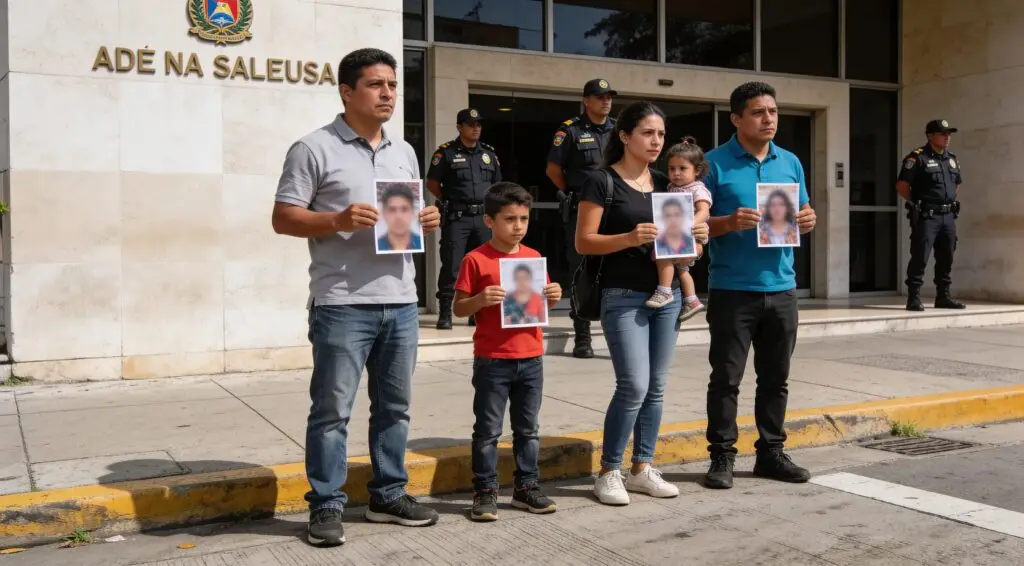
Human rights organization Foro Penal estimates that more than 600 individuals remain in custody for political reasons. Since early January, hundreds have reportedly been released, but families continue gathering outside detention centers, hoping the new legislation accelerates additional releases.
The amnesty covers participation in protests, electoral demonstrations, and certain political actions dating back to 2004. However, its language leaves room for interpretation, as it does not clearly enumerate every qualifying offense.
Acknowledging a Long-Standing Controversy
The law represents a tacit reversal of long-standing government denials. Venezuelan officials previously framed detainees as criminals involved in subversion or violent unrest, rather than prisoners of conscience.
By passing the amnesty, authorities implicitly concede that political considerations played a role in prosecutions. For many observers, this shift underscores mounting internal and external pressure for reconciliation.

Recommended Article: Trump Reverses Course on UK’s Chagos Islands Deal With Mauritius
Political Context and Power Vacuum
The amnesty follows a turbulent period marked by the reported abduction of President Nicolás Maduro earlier this year. The political vacuum has reshaped internal dynamics, prompting interim leadership to recalibrate relations with international actors.
The United States, under President Donald Trump, has praised certain recent concessions from Caracas. Washington has indicated that proceeds from Venezuelan oil sales will remain under oversight until a representative government is established.
Exclusions and Limitations Raise Questions
While the amnesty appears broad, it contains notable exclusions. Individuals convicted of “military rebellion” related to 2019 events are not covered, leaving some high-profile detainees outside its scope.
The legislation also does not automatically restore confiscated assets, revoke political disqualifications, or reinstate media outlets previously sanctioned. Critics argue that these omissions limit the law’s transformative potential.
Opposition Divided Over Intent
Reactions within the Venezuelan opposition remain mixed. Some lawmakers have described the amnesty as a meaningful step toward national reconciliation and a foundation for dialogue.
Others, including figures aligned with opposition leader María Corina Machado, view the measure with skepticism. They contend that without structural guarantees and full restoration of rights, the amnesty risks functioning as a temporary political maneuver.
Human Rights Groups Urge Implementation Transparency
Advocacy organizations emphasize that successful implementation will determine whether the law delivers substantive change. Transparent release procedures, independent verification, and oversight mechanisms are viewed as essential to prevent selective enforcement.
Families of detainees continue pressing for immediate action. Some have camped outside facilities for weeks, expressing frustration over delays and uncertainty about eligibility criteria.
International Implications
The amnesty arrives amid ongoing negotiations over Venezuela’s political future and sanctions regime. Regional governments and European policymakers are monitoring developments closely, weighing whether the move signals durable reform.
Spain and other European Union members have encouraged further normalization steps, linking potential sanctions relief to concrete democratic progress. The new law could influence those deliberations.
Economic Dimensions and Oil Policy
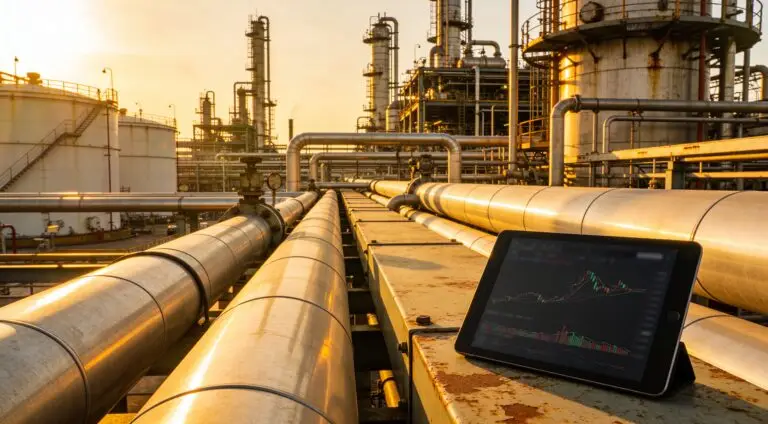
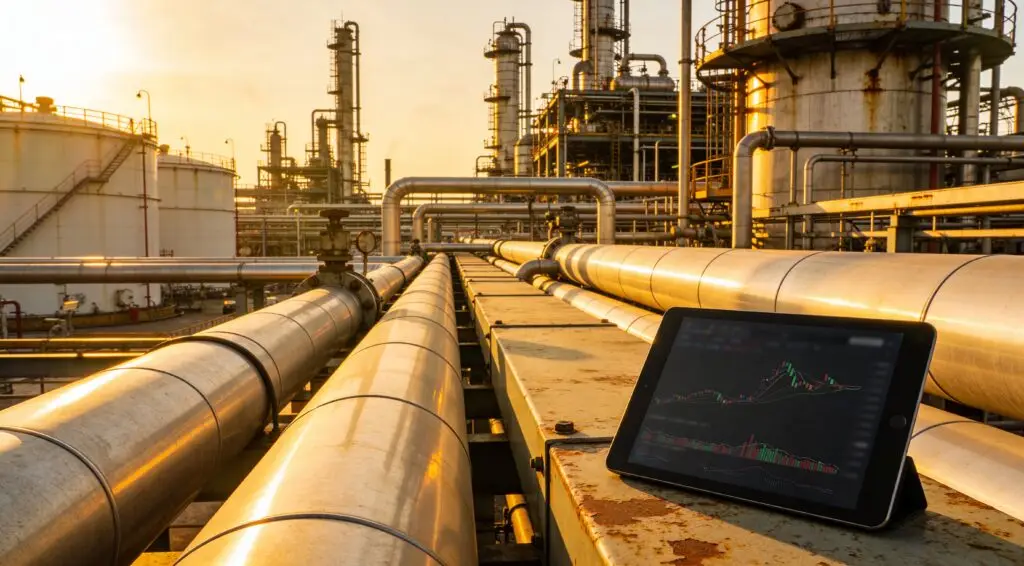
In parallel with political shifts, Venezuela has made concessions in its oil sector, including tentative steps toward opening state-controlled energy operations to foreign participation. These moves aim to stabilize the economy after years of contraction and sanctions.
The intersection of political amnesty and economic recalibration suggests a broader attempt to reposition Venezuela internationally. However, sustained recovery will depend on restoring investor confidence and institutional stability.
A Cautious Step Toward Reconciliation
The amnesty law marks a potentially pivotal moment in Venezuela’s protracted political crisis. By acknowledging political detainees and initiating releases, authorities have signaled willingness to adjust long-standing narratives.
Yet unresolved exclusions, lingering mistrust, and ongoing geopolitical tensions temper optimism. Whether the law becomes a genuine turning point or a short-lived tactical concession will hinge on consistent implementation and broader democratic reforms in the months ahead.