


Early Optimism Fades as Labour Shifts Its Development Priorities
At the start of 2025, the Labour government entered office with a wave of optimism from campaigners, NGOs, and parliamentarians who hoped for renewed commitment to international development. On the first day back in January, Bond and its members hosted a crowded parliamentary reception where speeches from Development Minister Anneliese Dodds signaled ambition and urgency for global poverty and climate action. Many in the sector believed that after years of deprioritization, development would finally reclaim its importance in government policy.
However, early indications hinted at internal contradictions. Labour quickly confirmed it would not restore the aid budget to 0.7% of gross national income and rejected calls to reestablish an independent development department. Even so, many remained hopeful that Labour would nonetheless provide a more stable and supportive policy environment for aid and development work.
Shock Announcement: Aid Budget Slashed to 0.3%
That optimism collapsed abruptly in February. Rumors circulated early one morning as sector leaders received alarming messages about potential cuts. Soon after, the government confirmed a drastic decision: Labour would reduce the UK aid budget from 0.5% to 0.3% of national income by 2027 to help fund expanded defense spending.
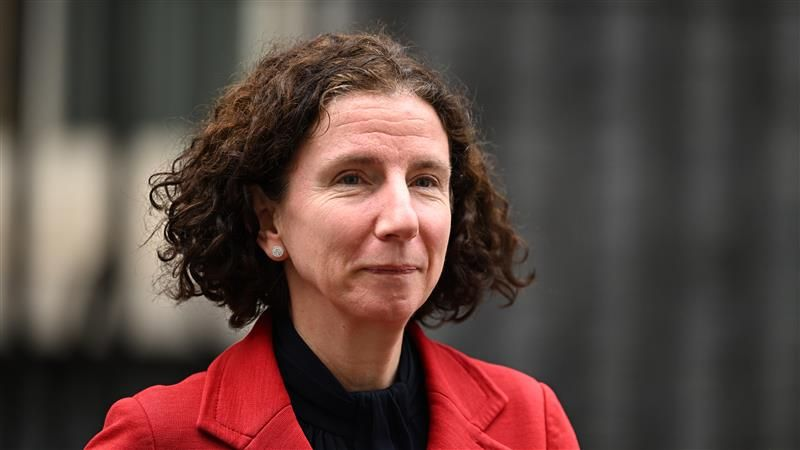
The reaction was immediate and intense. Bond and its members said the cuts would cost lives and disproportionately harm communities most vulnerable to conflict, hunger, and climate impacts. The shock deepened when Anneliese Dodds resigned in protest, condemning the policy as one that would strip essential food and healthcare from desperate populations while damaging the UK’s global reputation.
Political Fallout and a Growing Rebellion
Although Labour MPs did not stage an outright rebellion, internal dissatisfaction was widespread. Many were deeply uncomfortable that their party—after promising a more compassionate global role—had become the government implementing steep reductions to overseas assistance. Some insiders noted that the aid cuts helped spark wider discontent that later fed into resistance over domestic welfare cuts.
Opposition parties responded with sharply contrasting positions. The Liberal Democrats, SNP, and Greens condemned the decision, reaffirming commitments to higher aid spending. In contrast, the Conservative Party vowed to slash aid even further to 0.1% if elected, while the Reform Party proposed an extreme reduction to just £1 billion annually. These positions signaled a dramatic political drift that risked eroding decades of development leadership.
Recommended Article: South Korea Orders Probe Into Alleged Political Ties With Religious…
Party Conference Season Reveals Deep Divisions
Throughout the year, Bond sought to influence discussions at party conferences. The Reform Party conference offered little engagement on development issues, underscoring significant challenges for sector advocacy. In contrast, Liberal Democrats hosted a full day of development-focused events, signaling motivation to rebuild their policy agenda in partnership with the sector.
Labour’s conference saw Bond organizing a development reception and a panel on the global implications of aid cuts, with Baroness Chapman and several supportive MPs participating. At the Conservative conference, Bond and allied groups raised concerns regarding proposals for further reductions. While opportunities varied significantly across parties, the conferences made clear that building a committed cross-party caucus for development will require sustained, long-term work.
Defending Aid Ahead of the National Budget
As the government prepared its budget, concerns mounted that additional cuts could be introduced. Bond and its members coordinated outreach to key Labour MPs, presenting evidence of potential harms while encouraging political caution. Communications with opposition parties continued, though carefully calibrated to avoid escalating political pressure that could worsen outcomes.
Ultimately, the government refrained from announcing further reductions. While it is unclear how decisive sector interventions were, the advocacy demonstrated that development remains an area of active political engagement within Parliament. The episode reinforced the importance of preparedness and persistence in defending aid commitments.
What the Future Holds for UK Development Policy
Looking ahead to 2026, the political environment remains uncertain. Shifts in geopolitical dynamics, ongoing populist pressures, and economic constraints continue to shape the national debate. Changes may come rapidly, particularly as the local elections in May approach and parties adjust their priorities.
For the development sector, the lesson of 2025 is clear: progress cannot be assumed, and influence demands constant effort. Bond and its members intend to continue pressing the government to uphold moral and strategic commitments to global development, emphasizing that even in challenging times, the UK must remain a principled and constructive international partner.