A Controversial Federal Move
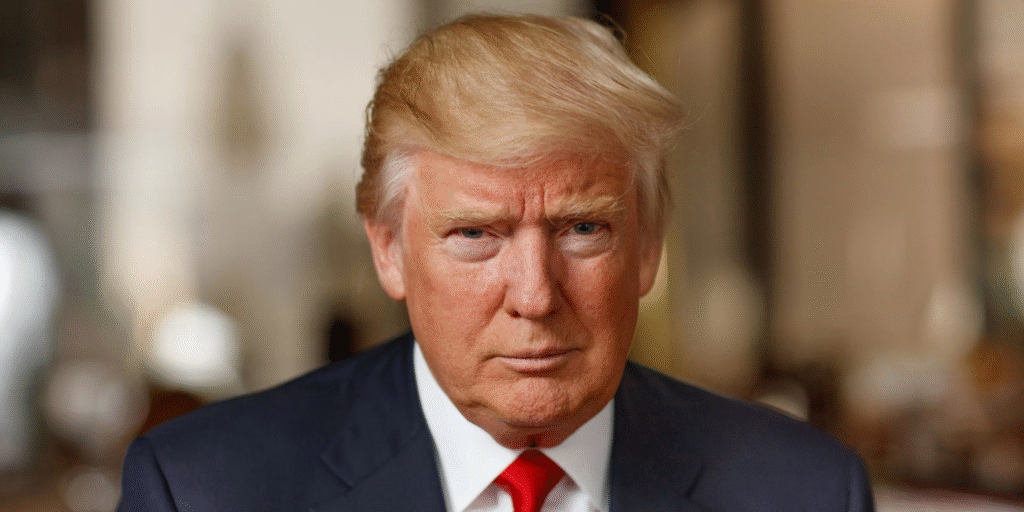
A recent executive order signed by President Donald Trump has ignited an unexpected political storm over artificial intelligence governance. The order aims to prevent individual US states from enforcing their own AI regulations.
Instead, the administration argues for a unified national framework, claiming it will reduce complexity and strengthen America’s global competitiveness. Supporters say fragmented rules could slow innovation and weaken US leadership against rivals like China.
Unlikely Political Alliances Emerge
Criticism of the order has come from across the political spectrum, defying traditional partisan divisions. While Democrats largely object over weakened consumer protections, several prominent Republicans have voiced sharp opposition as well.
Some conservative leaders argue the order favors major technology firms while undermining states’ rights. Others warn that unchecked AI development could destabilize labor markets and social structures.
Public Concerns Over AI Safety
Polling suggests Americans are far more cautious about artificial intelligence than political debates might imply. A strong majority favor prioritizing safety, even if it slows technological growth or economic gains.
Despite this concern, AI has yet to dominate voter priorities, allowing policymakers greater freedom to shape regulations without immediate electoral consequences. That gap may not last as AI’s influence grows.
Recommended Article: AI Deepfakes Target Ukraine as Sora Videos Intensify Disinformation War
States Push Back on Federal Control
Nearly half of US states already enforce laws governing AI use, from algorithmic pricing to digital content creation. Many of these measures reflect local economic conditions and consumer concerns.
Legal challenges to the executive order are widely expected, raising questions about federal authority and constitutional boundaries. Courts may ultimately decide whether Washington can override state-level protections.
Industry Stakes Continue Rising
Technology companies have invested trillions into AI infrastructure, research, and talent acquisition. Many fear inconsistent regulations could complicate deployment and increase compliance costs across jurisdictions.
At the same time, critics argue that rapid expansion without safeguards risks consumer harm, data misuse, and job displacement. The tension between growth and protection remains unresolved.
An Uncertain Regulatory Path Ahead
The executive order signals the beginning of a prolonged struggle rather than a final solution. AI regulation now sits at the crossroads of innovation, politics, and public trust.
As artificial intelligence reshapes society, the debate will likely intensify, forcing lawmakers to confront risks that transcend party lines and economic interests alike.