Flood Disasters Expose Structural Governance Failures
The Philippines’ exposure to powerful typhoons is a long-standing reality, but recent disasters have revealed deeper structural failures that go far beyond geography or climate. A deadly combination of corruption, weak oversight, and poorly executed flood-control projects has turned extreme weather into a recurring national catastrophe.
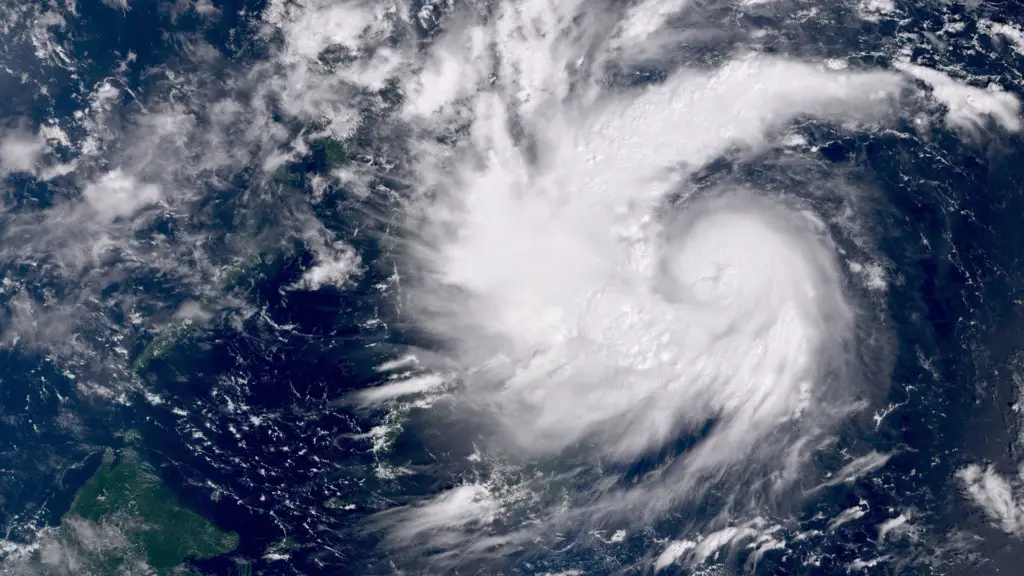
Within a single week in November, two major typhoons struck the country, leaving hundreds dead and vast areas submerged. These disasters were not solely acts of nature. They were amplified by years of governance decisions that prioritised political patronage over scientifically sound flood management.
Typhoons Highlight the Cost of Poor Flood Planning
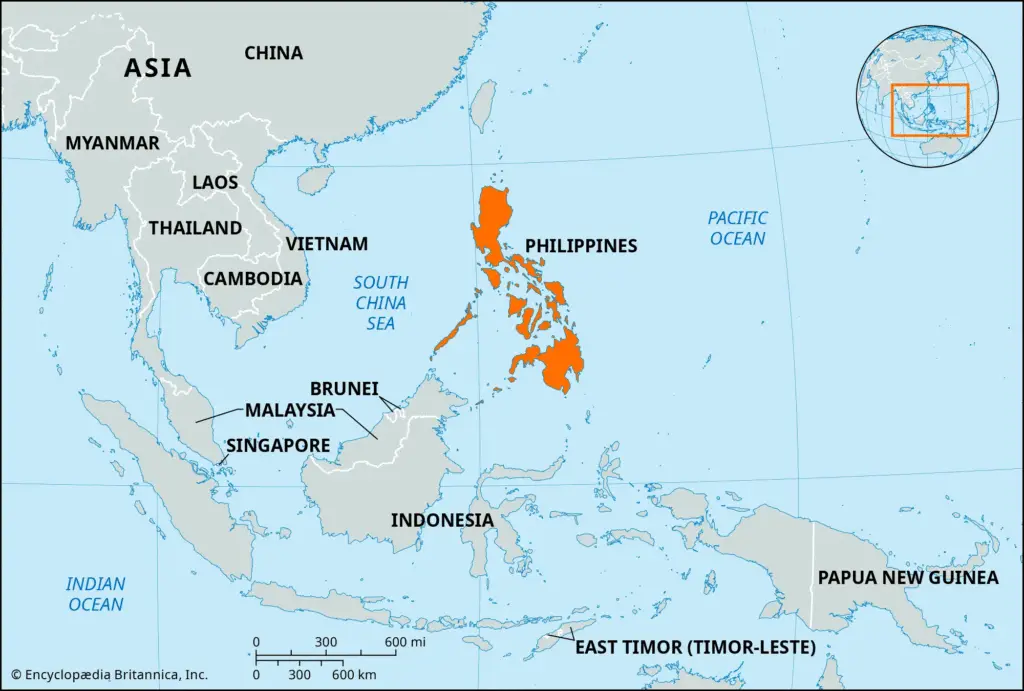
Typhoon Kalmaegi tore through the Visayas and Palawan, killing more than two hundred people and displacing thousands. Days later, the even stronger Typhoon Fung-wong slammed into Luzon, compounding destruction across already-vulnerable regions.
While climate change has increased the intensity of storms, the scale of damage exposed chronic weaknesses in flood-control systems. Many affected communities were supposedly protected by publicly funded infrastructure that failed when it was needed most.
Pork Barrel Politics and Unprogrammed Funds
At the heart of the problem lies the misuse of so-called unprogrammed funds in the national budget. These standby allocations have increasingly become vehicles for pork-barrel projects, allowing lawmakers to insert roads, multipurpose buildings, and flood-control schemes with limited scrutiny.
Between 2023 and 2025, unprogrammed funds exceeded two trillion pesos, with a substantial portion directed toward public works. Independent estimates suggest that pork-barrel spending may have accounted for up to one-fifth of the national budget in recent years, raising serious questions about fiscal discipline and accountability.
Recommended Article: Greek Voters React with Anger to Political Posts on Social…
Investigations Reveal Substandard and Ghost Projects
Government and media investigations have uncovered alarming patterns in flood-control implementation. Many projects were found to be overdesigned on paper but built with inferior materials, rendering them ineffective during heavy rainfall.
In some cases, authorities discovered “ghost projects” that existed only in official records, having been declared completed despite no physical construction on the ground. These failures were particularly concentrated in Luzon, where flooding has become increasingly frequent and severe.
Direct Link Between Corruption and Flooding
Repeated inquiries have shown that flawed flood-control projects are not merely wasteful but actively harmful. Poorly designed embankments, blocked waterways, and ill-placed structures have redirected water into residential areas, worsening floods rather than preventing them.
Communities living downstream of these projects have paid the price, enduring repeated inundation that destroys homes, livelihoods, and public trust in government institutions.
Climate Policy Exists but Funding Is Distorted
The Philippines is not short on climate strategies. Over the years, successive administrations have adopted comprehensive frameworks covering climate action, disaster risk reduction, and sustainable finance. On paper, these policies align with international best practices.
In practice, however, implementation has been undermined by funding distortions. Climate-related spending reached a record one trillion pesos in 2025, but the bulk of this funding flowed into large infrastructure projects focused on adaptation rather than long-term mitigation or ecological protection.
Misplaced Priorities in Climate Spending
An analysis of government expenditure shows that most climate funds were concentrated in water sufficiency and energy projects, often tied to large-scale public works. Meanwhile, critical areas such as food security, ecosystem protection, and local resilience received comparatively little support.
In some cases, local governments reported being pressured to accept flood-control projects they neither requested nor needed, suggesting that political considerations outweighed technical assessments.
Public-Private Projects Raise New Risks
Large public-private partnerships have further complicated flood management efforts. One prominent example is the construction of a massive new international airport in Bulacan, a low-lying province already prone to chronic flooding.
Experts warn that building major infrastructure in flood-prone zones without comprehensive mitigation measures could worsen water displacement across surrounding communities, increasing long-term disaster risks.
Absence of a Coherent Flood Master Plan
Despite repeated disasters, the Philippines still lacks an up-to-date national flood-management master plan. A comprehensive plan for Metro Manila was completed more than a decade ago with international assistance, but was never fully implemented or updated by subsequent administrations.
This failure reflects a broader problem of policy discontinuity, where long-term planning is sacrificed to short political cycles and shifting priorities.
Rethinking Flood Control as Flood Management
Environmental planners argue that the country’s fixation on concrete flood-control structures is fundamentally misguided. Rather than attempting to “control” water through piecemeal projects, they advocate integrated flood-management approaches that work with natural systems.
Nature-based solutions such as mangrove restoration, wetland rehabilitation, river-channel recovery, and strategic relocation of at-risk communities could provide more sustainable protection than rigid infrastructure alone.
Governance as the Missing Link
International climate finance, including the global Loss and Damage Fund, may offer future support. Yet external funding cannot compensate for domestic governance failures. While the Philippines urges wealthier nations to contribute more to climate resilience, its own misuse of climate funds undermines credibility and effectiveness.
Without decisive action to curb corruption, enforce accountability, and align spending with scientific evidence, climate change will continue to exact an escalating toll on Filipino lives and livelihoods.
A Choice Between Reform and Repetition
The Philippines stands at a crossroads. Climate change guarantees stronger storms in the years ahead, but governance will determine whether those storms become manageable challenges or recurring national tragedies.
Unless corruption in public works is confronted head-on and flood management is reimagined as a long-term, people-centred strategy, future disasters will not only be inevitable — they will be preventable failures repeated at enormous human cost.