A Strategic Push to Secure America’s AI Future
The United States has taken a significant step toward strengthening its artificial intelligence capabilities with the launch of two new national centers dedicated to applied AI. The initiative reflects growing urgency in Washington to maintain technological leadership amid global competition and rising security risks.
The effort is led by the National Institute of Standards and Technology, operating under the Department of Commerce. Through a major new investment, the agency aims to accelerate the real-world deployment of AI technologies across key sectors.
Partnership With MITRE Anchors the Initiative
Central to the expansion is an enhanced collaboration with MITRE Corporation, a nonprofit known for operating federally funded research and development centers. The partnership brings together government expertise and applied research capabilities.
The $20 million investment will establish two dedicated hubs focused on manufacturing productivity and the cybersecurity of critical infrastructure. Both areas are considered national priorities due to their economic importance and exposure to emerging threats.
AI Tools Target Manufacturing Productivity
One of the new centers will concentrate on boosting U.S. manufacturing competitiveness through AI-driven tools. These technologies are designed to improve efficiency, reduce costs, and enable faster adaptation to market demands.
By integrating AI into production processes, manufacturers can optimize supply chains, improve quality control, and respond more effectively to global competition. Officials see this as a key pillar in revitalizing domestic manufacturing capacity.
Recommended Article: Chinese AI Chip Maker Biren Sets the Stage With Major…
Protecting Critical Infrastructure From AI-Driven Threats
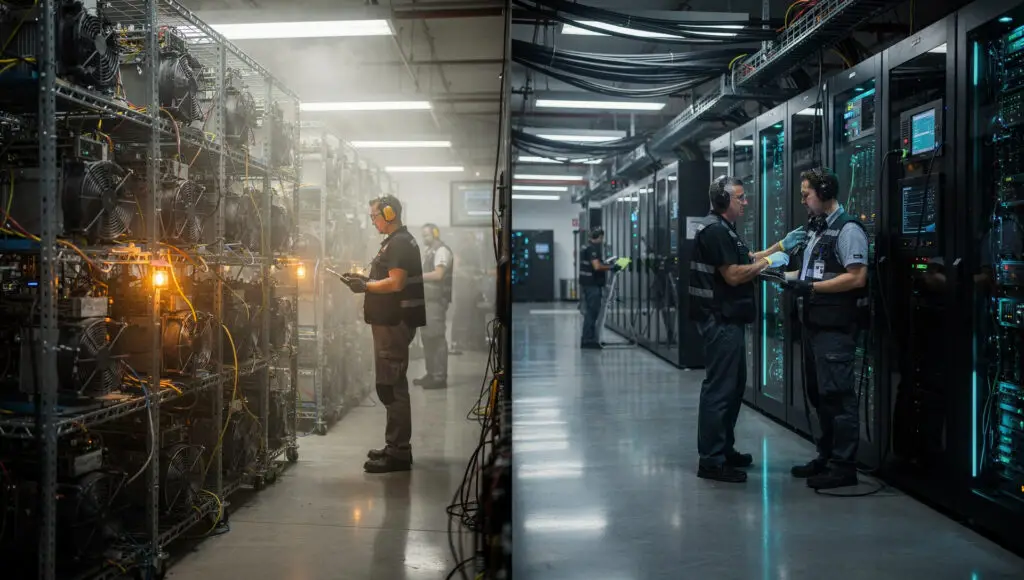
The second center will focus on defending critical infrastructure from cyberattacks increasingly powered by artificial intelligence. Energy grids, transportation systems, and communications networks are among the assets facing growing digital risks.
AI-based security tools developed through the center will aim to detect vulnerabilities, anticipate threats, and respond to attacks more rapidly. The goal is to reduce reliance on insecure systems while strengthening national resilience.
Aligning With National AI Strategy
The initiative supports broader federal priorities outlined in the White House’s 2025 AI action framework. These efforts emphasize innovation, infrastructure development, and risk management as core components of national competitiveness.
By translating policy goals into operational programs, the centers are expected to bridge the gap between research and deployment. This approach reflects lessons learned from earlier technology initiatives that struggled to move beyond pilot stages.
Expanding Public and Private Collaboration
NIST plans to leverage its long-standing model of public-private collaboration to ensure broad participation. Industry partners, academic institutions, and government agencies are expected to contribute expertise and resources.
The centers will also complement existing programs, including those focused on AI standards and evaluation. Voluntary testing agreements with leading AI developers are already shaping best practices for high-impact systems.
A Broader Vision for Emerging Technologies
Beyond artificial intelligence, the initiative fits into a wider strategy to advance emerging technologies such as quantum computing and biotechnology. Officials see cross-sector innovation as essential to sustaining long-term economic growth.
Future investments are expected to build on this foundation, including a planned manufacturing institute that could receive tens of millions of dollars over several years. These efforts aim to strengthen supply chains and technological resilience.
Positioning the U.S. for Long-Term Leadership
As global competition in AI accelerates, policymakers view these centers as critical infrastructure in their own right. By focusing on applied solutions, the United States seeks to translate innovation into tangible economic and security advantages.
The success of the initiative will depend on execution, coordination, and sustained investment. If effective, the centers could play a central role in defining how AI shapes American industry and national security in the years ahead.