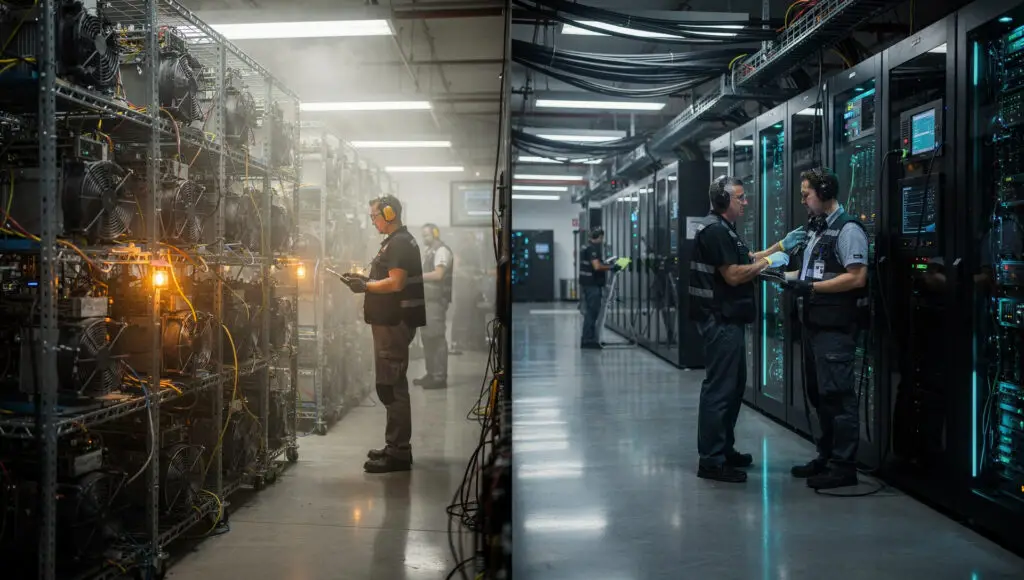
Artificial Intelligence Becomes Central to Modern Advertising
Artificial intelligence became a defining force in global advertising strategies throughout 2025. Major brands adopted AI tools to accelerate production, personalize messaging, and reduce creative costs. Executives increasingly viewed automation as a competitive necessity amid tightening marketing budgets. AI-generated visuals and copy quickly moved from experimentation into mainstream campaigns.
The speed of adoption often outpaced internal safeguards and ethical reviews. Many marketing teams deployed AI systems without fully assessing reputational consequences. This imbalance created tension between efficiency and brand authenticity. As a result, AI innovation frequently collided with consumer expectations.
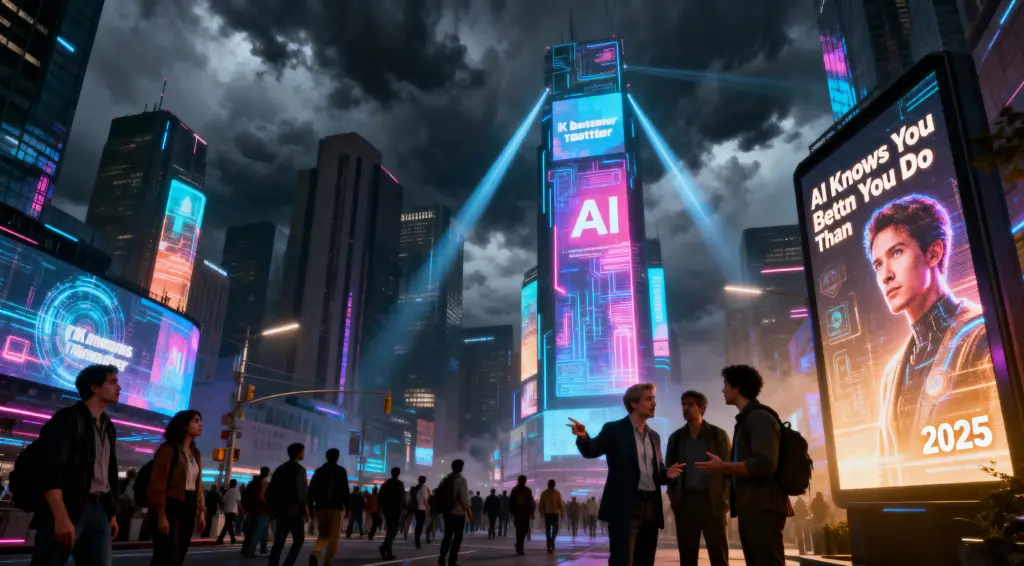
Consumer Backlash Exposes the Limits of Automation
Audience reactions revealed growing discomfort with fully automated creative output. Many viewers described AI-generated ads as emotionally hollow or visually unsettling. Negative sentiment spread rapidly across social platforms where campaigns faced immediate scrutiny. Public criticism often escalated within hours of ad launches.
Surveys indicated declining trust toward brands relying heavily on synthetic imagery. Neutral reactions dominated consumer feedback, while positive sentiment remained limited. This response challenged assumptions that efficiency alone drives engagement. Emotional authenticity emerged as a decisive factor in advertising effectiveness.
McDonald’s Holiday Campaign Triggers Cultural Pushback
McDonald’s Netherlands faced widespread criticism after releasing an AI-generated holiday advertisement. The campaign attempted satire but struck audiences as cynical and unsettling. Viewers objected to its tone and uncanny visuals across social platforms. Criticism intensified rapidly during the holiday period.
The company ultimately removed the advertisement following mounting backlash. Executives acknowledged misjudging public sentiment during a sensitive seasonal moment. The episode highlighted risks of humor generated without human nuance. Seasonal campaigns proved especially vulnerable to AI miscalculation.
Recommended Article: 2026 Artificial Intelligence Trends Redefining Business, Leadership, and Work
Coca-Cola’s Visual Glitches Spark Creative Debate
Coca-Cola’s AI-generated holiday ads reignited debate around automation in iconic branding. Visual inconsistencies in classic truck imagery drew attention from creative professionals. Observers noted shifting proportions and animation errors across scenes. These anomalies distracted audiences from the intended nostalgic message.
Despite criticism, internal testing reportedly showed strong brand recall. Coca-Cola defended its approach as an exploration of emerging creative tools. The company emphasized experimentation over perfection. The incident revealed tension between innovation and brand legacy.

Meta’s Automated Creative Tools Raise Transparency Issues
Meta’s advertising platform faced criticism for automatically generating AI creatives without clear consent. Advertisers reported AI-generated visuals replacing approved human-created ads. These changes occurred despite manual settings being disabled. Confusion spread among marketers managing large campaigns.
Meta stated that advertisers could review AI-generated content before deployment. However, several brands disputed the effectiveness of these controls. The incident raised concerns about transparency and platform governance. Trust between advertisers and platforms came under scrutiny.
Fashion Industry Faces Ethical AI Questions
Fashion brands increasingly experimented with AI-generated models and digital twins. Companies promoted these tools as cost-saving alternatives to traditional photo shoots. Critics argued that the approach threatened creative jobs and labor protections. Concerns centered on consent, compensation, and representation.
Industry backlash emerged from models, stylists, and advocacy groups. Influencers labeled AI modeling initiatives as harmful to creative communities. Brands responded by emphasizing experimentation rather than replacement. Ethical debates intensified across the fashion sector.
Long-Term Implications for Brand Trust
Repeated AI advertising controversies raised broader concerns about brand trust. Consumers became more skeptical of fully automated creative storytelling. Authenticity emerged as a critical differentiator in crowded markets. Brands faced increasing pressure to balance innovation with responsibility.
Marketing leaders are now reassessing how AI fits into long-term strategy. Human oversight is regaining importance in creative decision-making. The events of 2025 serve as a cautionary benchmark. AI may accelerate advertising, but it cannot replace judgment.