Strong Start Masks Emerging Risks Across Asian Equities
Asian equities began 2026 with sharp gains, extending momentum from a strong performance in 2025. The regional rally has been driven largely by enthusiasm around artificial intelligence and technology supply chains. Last year, Asia outperformed global peers by a wide margin, attracting renewed international capital flows. However, this early optimism may prove fragile as macro risks resurface. Investors are increasingly cautious about sustainability rather than headline growth. Momentum alone may not be enough to carry markets forward.
Market strategists warn that rapid early-year advances often expose vulnerabilities. Valuations in several technology-heavy markets are no longer deeply discounted. Earnings expectations remain high despite uncertain global demand. Any disappointment could trigger abrupt repricing. The opening rally may therefore test investor discipline. Volatility is expected to rise as the year progresses.
AI Euphoria Raises Concerns of a Valuation Bubble
Artificial intelligence has become the dominant narrative driving Asian equity inflows. Semiconductor manufacturers, data-center suppliers, and automation firms have benefited most from the surge. Asia’s deep integration into global AI supply chains amplifies both upside and downside risks. A sharp correction in US technology stocks could quickly spill over into the region. Exposure to Wall Street sentiment remains significant.
Bubble concerns are growing as investors question whether earnings growth can justify valuations. Comparisons are increasingly drawn to past technology cycles marked by late-stage exuberance. While AI adoption is real, timelines for profitability remain uncertain. Overconcentration in a single theme heightens systemic risk. Markets may be pricing perfection too early. Any shift in sentiment could be swift.
Policy Divergence Complicates Regional Market Outlooks
Interest-rate policy across Asia is becoming increasingly fragmented. Some central banks are easing to support growth, while others remain cautious due to inflation risks. This divergence complicates cross-border capital allocation decisions. Currency volatility is emerging as a secondary risk for equity investors. Monetary uncertainty adds friction to otherwise strong equity narratives.
Different policy paths also reflect uneven economic recoveries. Export-dependent economies remain sensitive to global demand conditions. Domestic-driven markets face inflation and wage pressures. Investors must navigate multiple macro regimes simultaneously. Broad regional bets are becoming less effective. Selectivity is increasingly critical.
Recommended Article: Grok AI Chatbot Faces Global Scrutiny Over Sexualized Images on…
China’s Tech Push Offers Opportunity and Risk
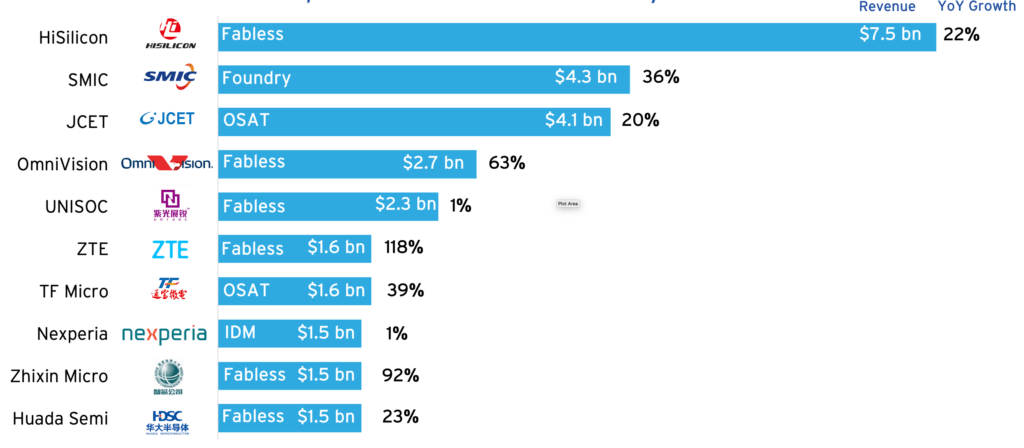
China’s technology sector remains central to Asia’s market outlook. Beijing’s push for semiconductor self-sufficiency has supported domestic chipmakers. Lower valuations compared to global peers have attracted bargain hunters. Government backing provides some insulation from external shocks. However, geopolitical and regulatory risks persist.
Trade tensions and technology restrictions continue to shape investor sentiment. Policy support can shift quickly, adding uncertainty. Foreign investors remain cautious despite improving fundamentals. China’s role as both growth engine and risk factor is unresolved. Market confidence hinges on policy consistency. The balance remains delicate.
Global Volatility Threatens Asia’s Relative Outperformance
Asia’s strong showing in 2025 raised expectations for continued leadership. However, global volatility could undermine this advantage. Tight financial conditions in developed markets still pose downside risks. Any renewed stress in global credit or equities would pressure Asian assets. Correlation risks are rising rather than falling.
While diversification benefits remain, Asia is not insulated from global shocks. Export exposure links regional earnings to external demand cycles. Investor positioning appears crowded in certain AI-related trades. Crowded positioning amplifies downside during corrections. Risk management is becoming paramount.
Cautious Optimism Defines the 2026 Market Narrative
Asian equities enter 2026 with solid structural tailwinds but growing cyclical risks. Artificial intelligence remains a powerful long-term driver. Yet near-term returns may be uneven and volatile. Investors are shifting focus from themes to fundamentals. Earnings quality and balance sheets matter more than narratives.
The year ahead is likely to reward patience over speculation. Selective exposure may outperform broad market bets. Policy clarity, not just innovation, will shape returns. Asia’s growth story remains intact but contested. Navigating 2026 will require discipline. The easy gains may already be behind.