

AI Data Centers Spread Beyond Tech Hubs
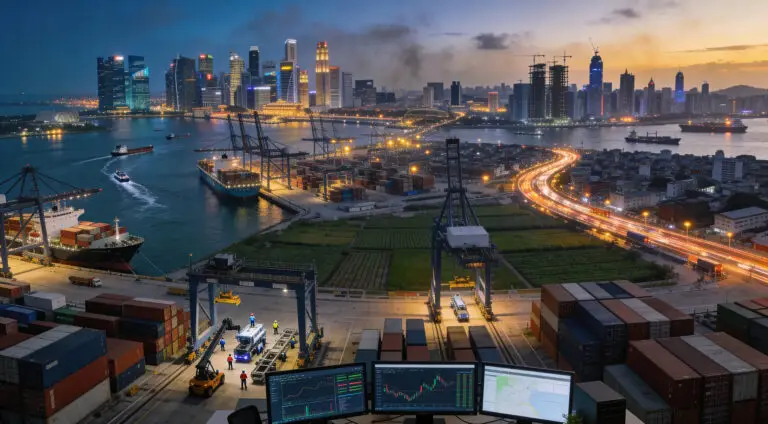
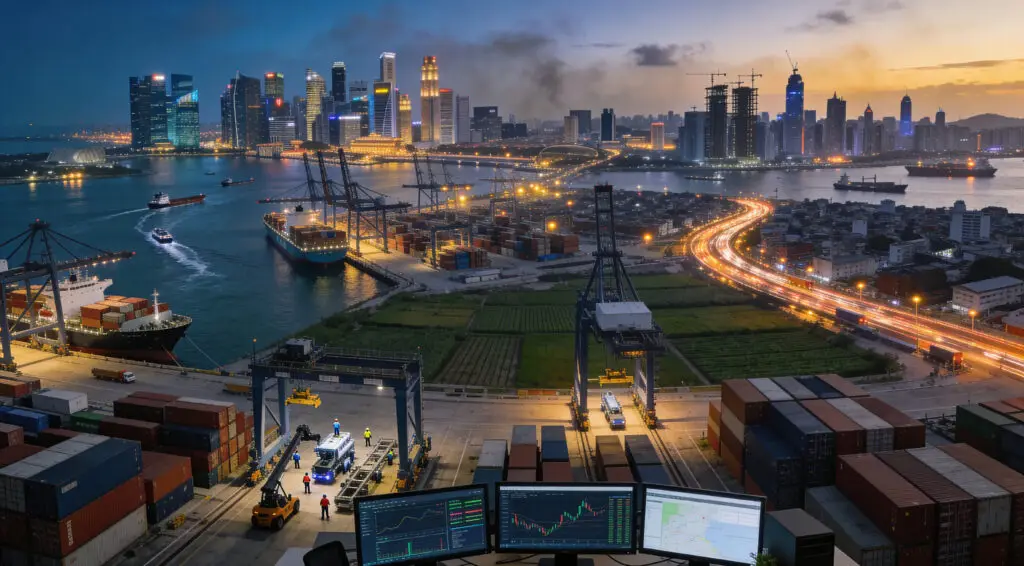
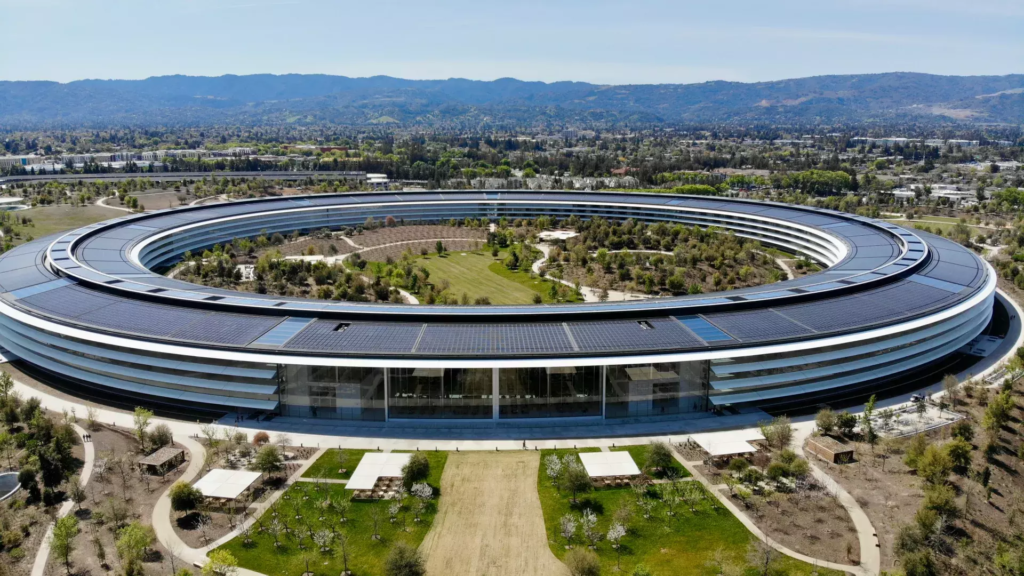
In 2026, the artificial intelligence boom is no longer confined to Silicon Valley or major metropolitan tech corridors. Massive data centers supporting AI training and inference are spreading into smaller cities and rural regions across the United States.
Local governments initially welcomed these projects for their promise of jobs, tax revenue, and economic revitalization. However, as construction accelerates, the scale and intensity of AI infrastructure are reshaping local debates over land use, utilities, and long-term sustainability.
Energy Demand Triggers Community Resistance
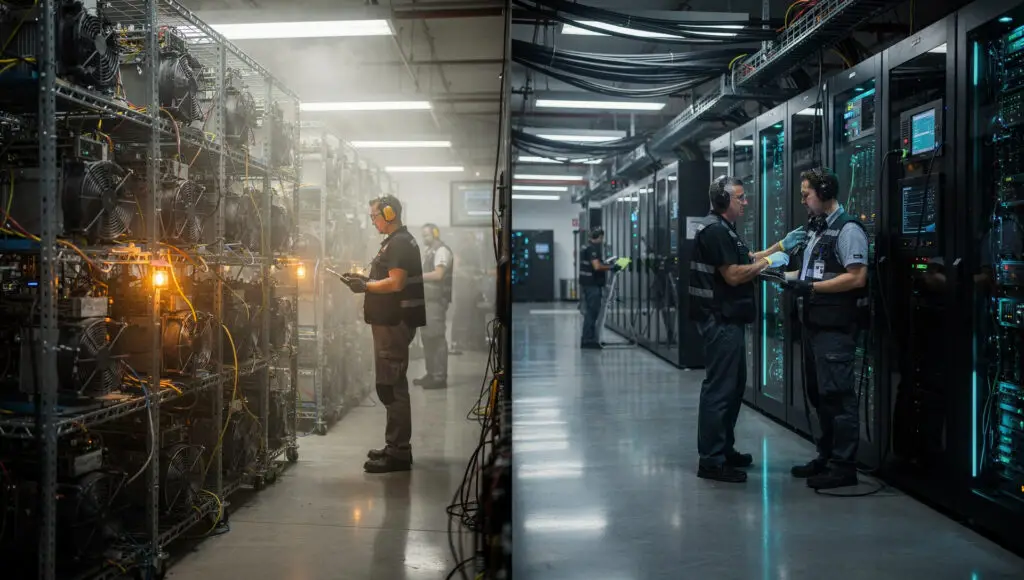
AI data centers are extraordinarily energy intensive. Facilities housing tens of thousands of GPUs require constant, high-load electricity, often rivaling the consumption of small cities.
Utilities in several states report grid stress as new projects come online faster than infrastructure upgrades can be completed. Residents increasingly worry that rising power demand will translate into higher electricity costs, reduced reliability, or delayed decarbonization goals.
Water Usage and Environmental Concerns Escalate
Beyond electricity, water consumption has emerged as a flashpoint. Many AI facilities rely on water-based cooling systems, drawing heavily from local supplies.
In drought-prone regions, community groups argue that industrial-scale AI projects compete directly with agriculture and residential needs. Environmental organizations are pressing regulators to require stricter impact assessments before approving new builds.
Zoning Laws and Permits Come Under Scrutiny
Local zoning boards and planning commissions are grappling with projects that do not fit traditional industrial categories. AI data centers often occupy large footprints while employing relatively few workers, complicating cost-benefit calculations.
Some municipalities are pausing approvals to reassess zoning rules, noise limits, and heat output standards. These delays are frustrating developers but reflect growing political pressure to ensure communities have a meaningful say in infrastructure decisions.
Big Tech Faces Growing Political Risk
Major technology companies driving the AI buildout are discovering that local acceptance is becoming as critical as access to capital or chips. Even firms with strong environmental pledges face skepticism when projects move faster than community engagement.
Opposition at the local level can delay projects by months or years, adding political risk to what was once viewed as straightforward infrastructure investment. This has prompted companies to invest more heavily in public outreach and local partnerships.
Regulatory Gaps Fuel Policy Debate
At the federal level, regulation of AI infrastructure remains fragmented. Energy permits, environmental reviews, and land-use approvals are largely handled at state and local levels, leading to inconsistent standards.
Lawmakers are debating whether national guidelines are needed to streamline approvals while protecting communities. Critics warn that without coordination, the U.S. risks both regulatory backlash and infrastructure bottlenecks that could slow AI competitiveness.
Labor and Automation Anxiety Adds Tension
AI infrastructure expansion is also intersecting with labor concerns. While data centers create construction jobs, long-term employment is limited compared with their scale.
Communities increasingly question whether they are bearing environmental and infrastructure costs without receiving broad-based economic benefits. These concerns echo wider anxieties about automation and job displacement tied to AI adoption.
Trust Becomes a Strategic Asset
Analysts argue that trust is emerging as a strategic asset in the AI race. Projects that fail to address local concerns risk protests, lawsuits, or political intervention.
Companies that engage early with residents, invest in grid upgrades, and share benefits more broadly are more likely to secure long-term operating stability. In contrast, fast-moving projects that overlook community impact may face escalating resistance.
What This Means for AI Growth in 2026
The AI infrastructure boom remains powerful, but it is no longer frictionless. Local politics, environmental limits, and regulatory uncertainty are shaping where and how AI capacity is built.
In 2026, success in AI infrastructure will depend not only on technology and capital, but on governance. Balancing speed with social license may determine whether the next phase of AI growth accelerates smoothly or faces mounting obstacles.