


White House Announces Major Climate Rollback
President Donald Trump is preparing to formally repeal the 2009 endangerment finding that underpins most federal climate regulations. The move, confirmed by White House officials, would mark one of the most sweeping environmental reversals in modern US history.
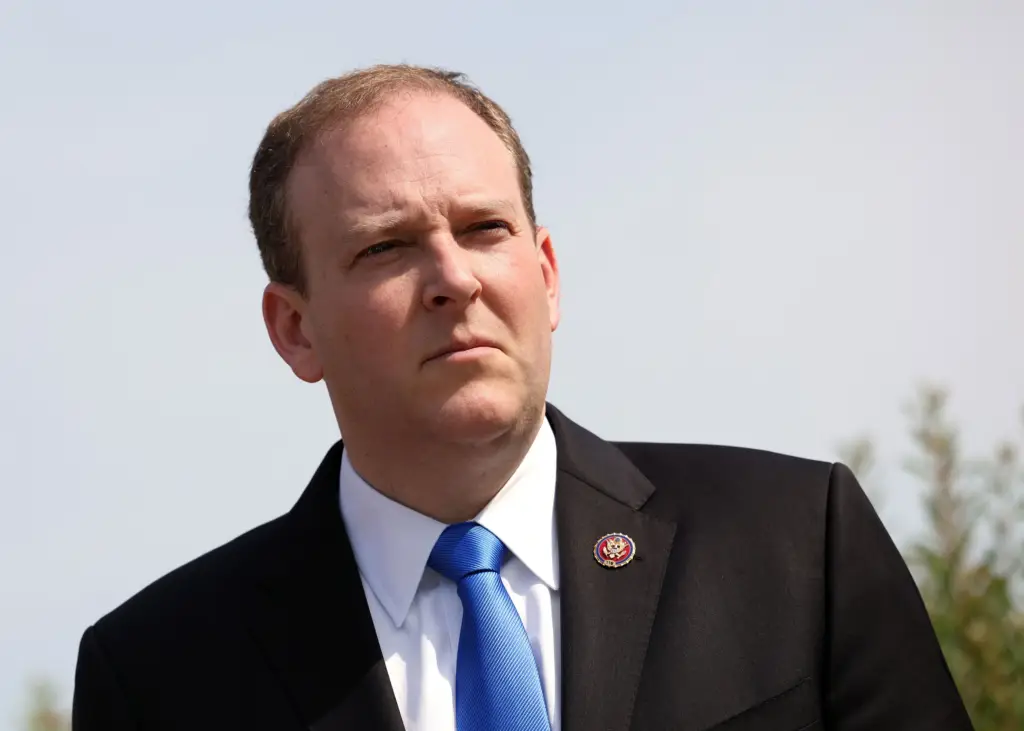
The repeal effort is being led alongside Lee Zeldin, head of the U.S. Environmental Protection Agency. Administration officials describe the action as a major deregulatory milestone aimed at reducing regulatory burdens on industry.
What the Endangerment Finding Established
The 2009 endangerment finding determined that carbon dioxide and other greenhouse gases endanger public health and welfare. This legal conclusion provided the statutory basis for regulating emissions under the Clean Air Act.
Without this finding, federal authority to impose climate-related vehicle and industrial emissions standards would be severely weakened. The determination has served as the backbone of both Obama and Biden-era climate policies.
Legal Challenges Appear Inevitable
Environmental groups have already pledged to challenge the repeal in court. Organizations such as the Natural Resources Defense Council and Environmental Defense Fund argue that the scientific basis for the finding remains overwhelming.
Legal experts expect immediate litigation once the repeal is finalized. Courts will likely examine whether the administration has provided sufficient scientific and legal justification to reverse a long-standing regulatory determination.
Recommended Article: Trump Threatens to Block US–Canada Bridge He Once Championed
Economic Arguments Drive the Decision
The administration claims repealing the finding could save businesses and consumers trillions of dollars in compliance costs. Officials argue that climate regulations have imposed heavy burdens on manufacturers, energy producers, and automakers.
However, critics contend that the rollback could increase long-term healthcare costs and climate-related damage expenses. Studies cited by independent analysts suggest that climate rules may prevent thousands of premature deaths annually.
Scope of the Regulatory Impact
Although the repeal could affect multiple sectors, early indications suggest initial changes may focus on vehicle emissions standards. Broader rules governing power plants and oil and gas operations may face separate regulatory reviews.
The endangerment finding has historically supported nearly all federal greenhouse gas limits. Its removal would fundamentally reshape the regulatory landscape governing US climate policy.
Science Versus Policy Debate Intensifies
Scientists argue that the evidence linking greenhouse gas emissions to climate change has only strengthened since 2009. Organizations such as the Union of Concerned Scientists maintain that federal agencies have a duty to regulate harmful emissions.
The debate highlights a deeper philosophical divide between economic deregulation and environmental protection. As climate-related disasters grow more frequent, the political stakes surrounding emissions policy continue to rise.
Implications for US Climate Leadership
The repeal could significantly alter America’s role in global climate negotiations. International partners may view the move as a retreat from multilateral climate commitments.
At the same time, domestic political battles over environmental regulation are expected to intensify ahead of upcoming elections. The ultimate outcome may hinge on judicial rulings that determine the durability of the administration’s strategy.