

National Polls Show Sharp Drop in Approval
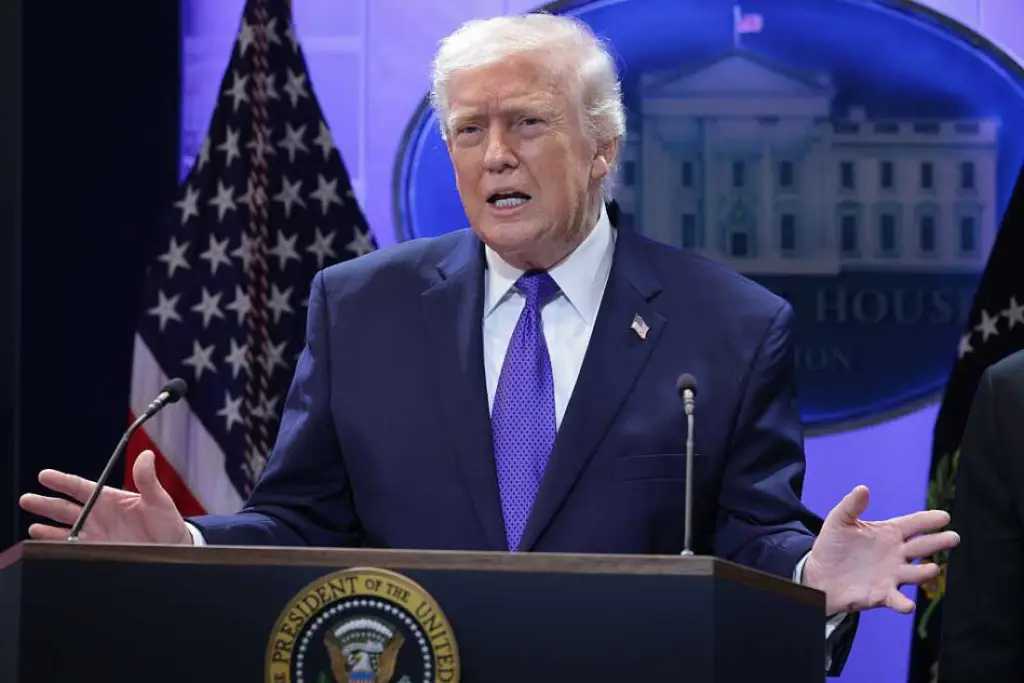
A series of newly released surveys indicate that Donald Trump is entering his State of the Union address facing one of the lowest approval ratings of his presidency. A Washington Post–ABC News–Ipsos poll found that only 39% of Americans approve of his job performance, while nearly half strongly disapprove.
The figures suggest growing dissatisfaction beyond traditional partisan opposition. While Republican support remains solid overall, erosion among independents has intensified concerns within Republican political circles.
Independent Voters Drift Away
Independent voters appear to be the most significant source of declining support. A separate CNN survey shows approval among independents dropping sharply compared with earlier readings in 2025.
Political analysts note that independents often determine midterm outcomes. If dissatisfaction persists, the president’s party could face greater vulnerability in congressional races.

Immigration No Longer a Political Anchor
Immigration, once considered Trump’s strongest policy issue, is now generating more divided reactions. According to polling data, a majority of respondents disapprove of how the administration is handling border and immigration policy.
Critics argue that heightened enforcement actions and rhetoric have not translated into improved perceptions of effectiveness. Supporters counter that strict measures are necessary despite short-term controversy.
Recommended Article: Trump Reverses Course on UK’s Chagos Islands Deal With Mauritius
Inflation and Tariffs Weigh on Public Opinion
Economic concerns appear central to declining approval ratings. Surveys indicate that significant majorities disapprove of the administration’s handling of inflation and tariff policy.
Recent announcements of expanded global tariffs have fueled anxieties about rising consumer costs. Even as inflation rates moderate compared with previous peaks, elevated price levels continue to strain household budgets.
State of the Union Expectations High
The president is expected to focus heavily on economic achievements during his address to Congress. Advisors suggest he will highlight job growth, tax policy, and investment momentum in emerging sectors such as artificial intelligence.
However, polling from NPR/PBS/Marist shows that many Americans believe the nation is not on solid footing. The gap between macroeconomic indicators and personal financial sentiment remains pronounced.
Partisan Divide Deepens
Approval ratings remain deeply polarized along party lines. Roughly four in five Republicans continue to approve of Trump’s performance, while overwhelming majorities of Democrats express strong disapproval.
This polarization limits cross-party persuasion opportunities. It also means modest shifts among independents carry outsized political consequences.
Economic Growth Versus Consumer Confidence
Although GDP growth has remained positive and unemployment relatively low, consumer confidence readings have declined. Analysts suggest that rising grocery, housing, and healthcare costs contribute more to voter sentiment than aggregate statistics.
For many households, stabilization of inflation does not equate to affordability relief. Prices remain significantly higher than pre-pandemic levels, shaping everyday economic perceptions.
White House Pushback Against Polling
Administration officials have dismissed the surveys as unreliable. The president himself has argued that election outcomes, rather than opinion polls, represent the most meaningful measure of public support.
Political strategists often caution that polling volatility can shift rapidly. However, sustained sub-40% approval ratings historically complicate legislative negotiations and electoral strategy.
Midterm Implications Loom Large
With midterm elections approaching, Republican lawmakers are closely watching approval trends. Historically, presidents with ratings below 45% face challenging midterm cycles.
Campaign messaging may increasingly emphasize economic stabilization and national security themes. Party leaders are likely to align closely with the president’s core base while attempting to re-engage swing voters.
The Broader Political Climate
Beyond individual approval ratings, broader sentiment about the direction of the country appears unsettled. A significant share of Americans say the nation is worse off compared with a year earlier.
Whether the State of the Union address can shift that perception remains uncertain. Speeches can set narratives, but sustained economic and policy outcomes ultimately shape public opinion over time.