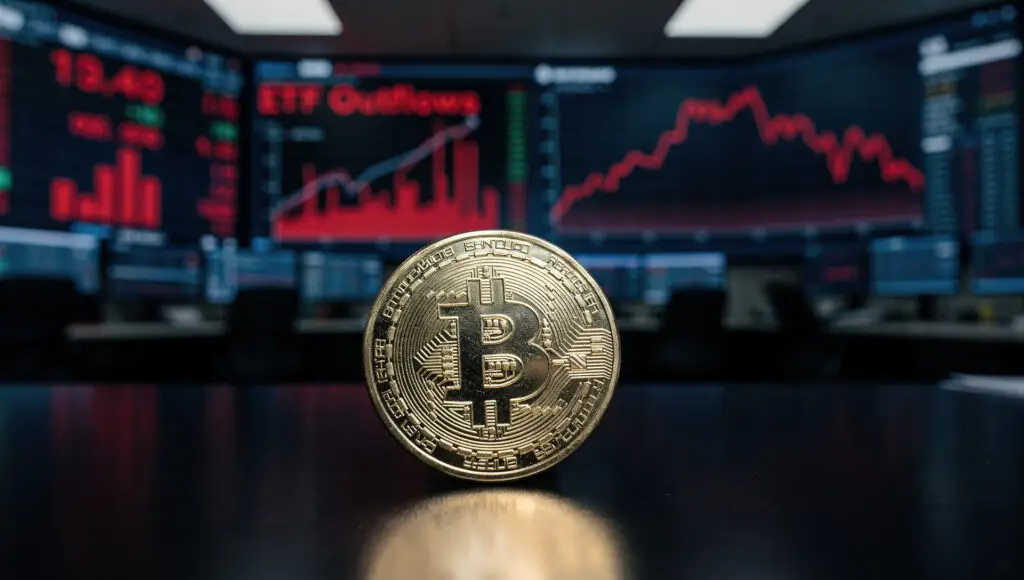
Bitcoin Plunges as War Headlines Shock Markets
Bitcoin tumbled sharply after reports confirmed coordinated military strikes by the United States and Israel on Iran. The sudden escalation triggered a rapid liquidation wave that briefly pushed Bitcoin toward the $60,000 level.
Prices dropped nearly 5% within minutes as traders reacted to breaking headlines. The move underscored how sensitive crypto markets remain to geopolitical shocks, especially during weekends when traditional markets are closed.

Volatility Amplified by 24/7 Trading
Unlike equities or commodities, crypto trades continuously. As news spread of the strike that reportedly killed Ali Khamenei, Bitcoin became the first major asset to reflect investor fear.
The initial plunge was followed by a rebound as speculation emerged that the conflict might remain contained. Bitcoin recovered above $68,000 after dipping just above $63,000, reflecting how quickly narratives can shift in digital markets.
Traders described the price action as chaotic but not structurally broken. Liquidity thinned temporarily, yet exchanges continued functioning without systemic stress.
Safe Haven Debate Reignites
The episode reignited debate over Bitcoin’s safe-haven narrative. Often described as “digital gold,” Bitcoin failed to mirror the traditional response seen in bullion markets.
Gold prices surged as investors sought defensive assets. Oil also jumped sharply, reflecting fears of disruption in the Strait of Hormuz.
Bitcoin, by contrast, initially traded like a high-beta risk asset. The divergence reinforced arguments that crypto remains tied to liquidity conditions rather than functioning as a geopolitical hedge.
Still, the rebound offered partial reassurance to bulls who argue Bitcoin’s long-term thesis remains intact despite short-term volatility.
Recommended Article: Bitcoin Steady Near $66,000 as Asia Stocks Slide on Iran…
Trump’s Warning Adds to Tension
Donald Trump warned Iran against retaliation, stating that any further escalation would prompt overwhelming force. His remarks added to market tension while leaving open the possibility of prolonged conflict.
Oil markets responded more dramatically than crypto, with crude prices spiking ahead of traditional market reopenings. Analysts noted that energy supply risk—not immediate military retaliation—remains the central transmission channel into global markets.
If oil sustains elevated levels, inflation expectations could rise again. That dynamic would potentially constrain central banks and tighten financial conditions, creating headwinds for risk assets including crypto.
Macro Risks Overshadow Crypto Fundamentals
Market strategists emphasized that Bitcoin’s price action reflects broader macro conditions rather than internal crypto weakness. Rising oil, a strengthening U.S. dollar, and bond yield volatility all shape investor positioning.
Higher energy costs typically pressure global growth and corporate margins. In such environments, portfolio managers often reduce exposure to volatile instruments.
Some analysts projected gold could rise 10–15% if tensions escalate into sustained conflict. Bitcoin, meanwhile, would need to prove resilience during extended stress to reclaim its safe-haven narrative.
Oil, Inflation, and Liquidity Concerns
The Strait of Hormuz remains a critical chokepoint for global oil shipments. Any disruption could amplify inflationary pressures already embedded in supply chains.
Rising inflation expectations typically push real yields higher. Historically, that environment has been unfavorable for high-growth and speculative assets.
Bitcoin’s correlation with global liquidity remains evident. When financial conditions tighten, crypto often experiences accelerated volatility relative to traditional markets.
However, the absence of large-scale stablecoin stress or exchange failures suggests underlying infrastructure stability. The volatility appeared headline-driven rather than systemic.
Traders Watch for Escalation Signals
Investors are now focused on Iran’s response. A limited exchange of force may keep markets range-bound, while broader retaliation could deepen risk-off positioning.
Some market observers noted that Bitcoin’s swift rebound indicates traders view the conflict as a near-term risk premium rather than a structural collapse. Still, sentiment remains fragile.
Prediction markets and derivatives positioning show divided expectations. Funding rates adjusted but did not collapse, signaling cautious but not panicked positioning.
Long-Term Narrative Versus Short-Term Shock
Bitcoin’s struggle to track gold during geopolitical shocks remains a recurring theme. Yet proponents argue that digital scarcity and institutional adoption ultimately drive valuation over longer horizons.
Exchange balances continue trending lower, suggesting long-term holders are not capitulating. Meanwhile, ETF flows remain a critical variable for sustained momentum.
The weekend volatility demonstrated crypto’s unique role in modern markets. It serves both as a risk asset and a real-time geopolitical sentiment gauge.
Whether Bitcoin stabilizes above key support levels or retests lower zones will depend largely on oil prices, inflation expectations, and diplomatic developments. For now, markets remain headline-driven, with digital assets navigating one of the most consequential geopolitical escalations in recent years.