Philippines Pursues Nuclear Energy for Long-Term Power Supply
The Philippine government is accelerating plans to introduce nuclear energy as part of its long-term energy strategy. Officials say nuclear power could help ensure stable electricity supply while supporting economic growth.
Energy leaders believe nuclear technology can complement renewable energy expansion across the country. The government aims to diversify the national power mix to improve energy security and reduce reliance on imported fuels.
US–Philippines Partnership Expands Energy Cooperation
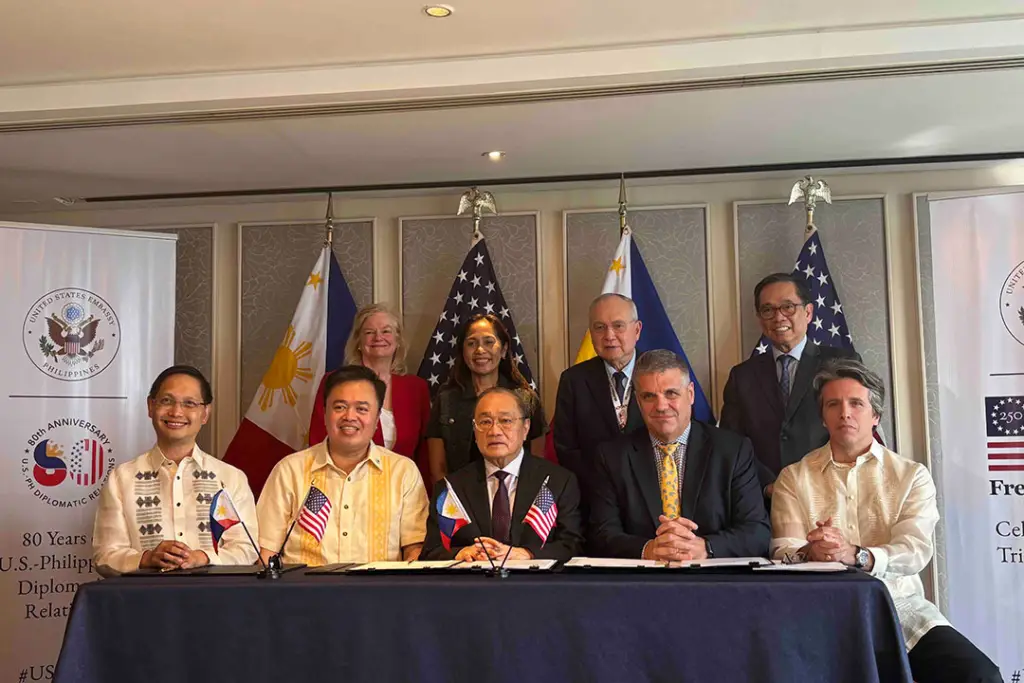
Officials from the United States government and the Philippine Department of Energy signed several agreements aimed at advancing nuclear energy development. The cooperation reflects deepening energy ties between the two longtime allies.
The agreements support technology sharing, infrastructure development, and workforce training for nuclear power projects. Both governments emphasized the importance of building safe and reliable nuclear capabilities.
Feasibility Study Planned for Small Modular Reactors
One of the agreements involves a feasibility study for deploying small modular reactors in the Philippines. The project is supported by funding from the U.S. Trade and Development Agency.
The study will examine how American-designed reactor technologies could be integrated into the country’s power grid. Small modular reactors are considered safer and more flexible than traditional large nuclear plants.
Meralco and Energy Firms Explore Nuclear Opportunities
The feasibility study will involve collaboration with Manila Electric Company (Meralco) and its power generation subsidiary. Company leaders say nuclear energy could become an important part of the Philippines’ future electricity supply.
Meralco chairman Manuel Pangilinan has indicated that the company is evaluating potential deployment of modular reactors in the coming decades. The initiative could help support the country’s rapidly growing electricity demand.
Education Partnerships Aim to Build Skilled Workforce
Another agreement focuses on developing educational programs for the emerging nuclear industry. The Technical Education and Skills Development Authority (TESDA) and the Philippine-American Educational Foundation will help create specialized training programs.
These programs aim to prepare Filipino engineers, technicians, and regulators for nuclear energy operations. Building a skilled workforce is considered essential before nuclear plants can begin operating.
US FIRST Program Supports Nuclear Development
The Philippines has been a participant in the FIRST Program of the U.S. Department of State, which promotes responsible nuclear technology development. The program helps partner countries build regulatory frameworks and technical expertise.
American officials say the partnership strengthens both energy security and diplomatic ties between the two nations. Cooperation in nuclear technology is expected to continue expanding in the coming years.
Nuclear Power Seen as Key to Energy Security
Philippine energy officials believe nuclear power could play a major role in achieving long-term energy independence. The government plans to increase renewable energy capacity while also exploring advanced nuclear technologies.
If regulatory approvals and feasibility studies progress as expected, nuclear energy could become part of the Philippine power mix within the next decade. Policymakers view the initiative as a strategic step toward a more resilient national energy system.