Rising Oil Prices Put Pressure On US Consumers
The ongoing conflict involving Iran has pushed oil prices above $100 per barrel, increasing pressure on US consumers. Fuel costs have risen significantly, affecting transportation and daily expenses nationwide.
Gasoline prices have climbed sharply, with average costs rising by more than sixty cents in recent weeks. This increase is placing additional strain on household budgets already facing inflation challenges.
Higher fuel prices often lead to reduced consumer spending in other areas. This shift can slow economic activity and weaken overall growth momentum.
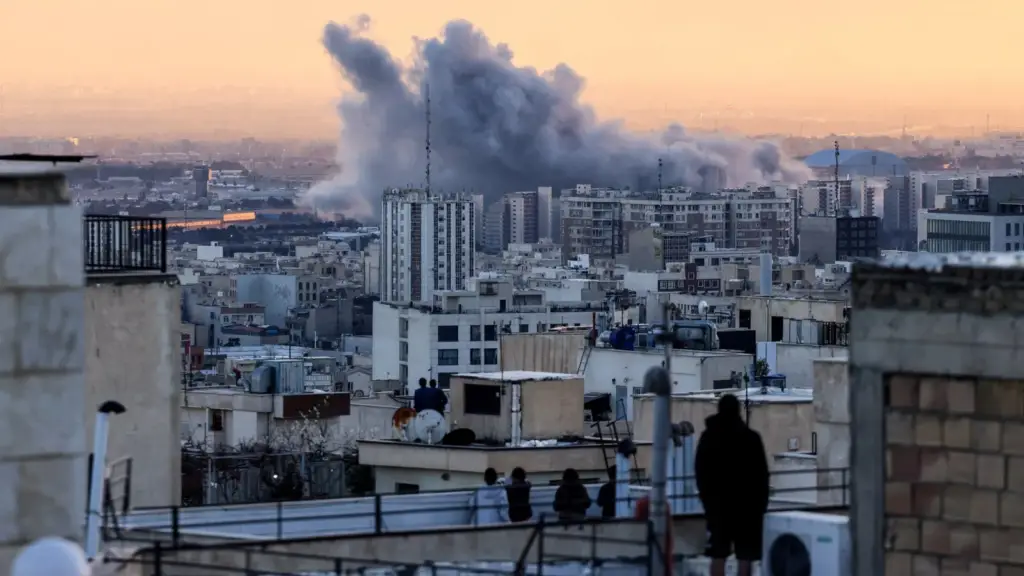
Strait Of Hormuz Disruptions Threaten Global Supply
The Strait of Hormuz plays a crucial role in global oil supply, handling a significant portion of international shipments. Disruptions in this region create immediate concerns about energy availability.
Attacks on vessels and potential blockages have increased uncertainty around shipping operations. These risks contribute to volatility in global energy markets and trade routes.
If the strait remains closed for an extended period, supply shortages could intensify. This scenario would likely drive prices even higher and deepen economic challenges.
Prolonged Conflict Could Trigger Recession
Economists warn that sustained high oil prices may increase the likelihood of a recession in the United States. Historical patterns show that prolonged energy shocks often precede economic downturns.
If oil prices remain elevated for several months, businesses may reduce investment and hiring. This can lead to slower economic growth and rising unemployment levels.
The severity of the impact will depend on the duration and intensity of the conflict. A quick resolution could limit long-term damage, while prolonged instability would worsen conditions.
Inflation Pressures Complicate Federal Reserve Policy
Rising energy costs contribute directly to higher inflation, complicating decisions for the Federal Reserve. Policymakers must balance efforts to control inflation with the need to support economic growth.
Higher inflation may force the Fed to maintain or increase interest rates. This approach can slow economic activity but may be necessary to stabilize prices.
At the same time, higher borrowing costs can discourage investment and spending. This creates a challenging environment for both businesses and consumers.
Supply Chain Disruptions Affect Global Trade
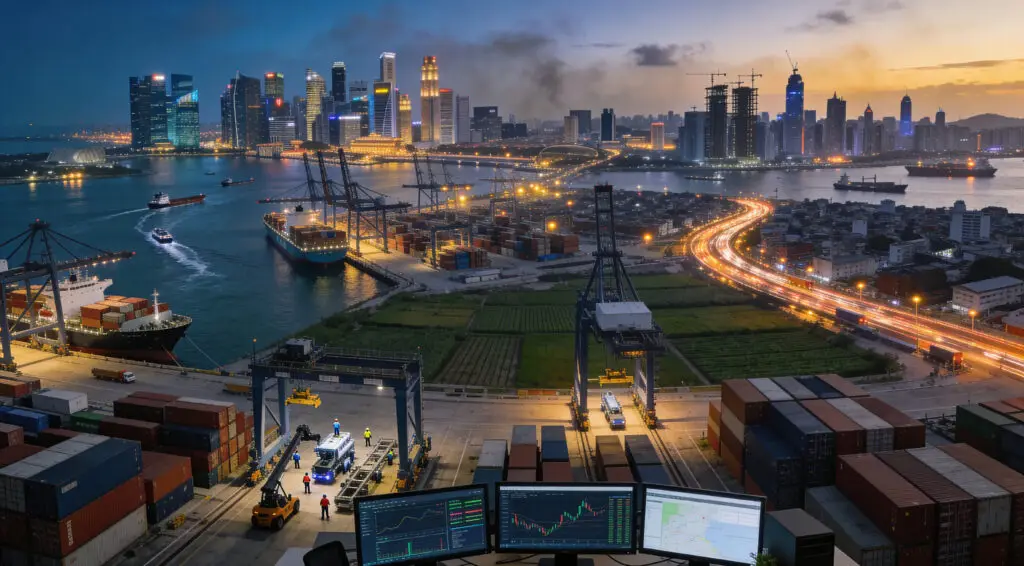
The conflict is already causing disruptions in global supply chains, particularly in shipping and logistics. Congestion at ports and delays in deliveries are becoming more common.
Industries that rely on energy-related inputs, such as manufacturing and agriculture, may face rising costs. These increases can be passed on to consumers through higher prices.
Extended disruptions could lead to shortages of certain goods. This would further contribute to inflation and economic uncertainty.
Risk Of Stagflation Returns To Economic Debate
The combination of high inflation and slow economic growth raises concerns about stagflation. This scenario presents significant challenges for policymakers and businesses alike.
During stagflation, traditional economic tools become less effective. Efforts to reduce inflation can worsen unemployment, while stimulating growth may increase prices.
This situation was last seen during the oil shocks of the 1970s. Its potential return is a major concern for economists and financial markets.
Long Term Economic Effects Extend Beyond Conflict
Beyond immediate impacts, the conflict may lead to lasting changes in economic and geopolitical dynamics. Countries may seek to reduce reliance on unstable regions for energy supplies.
Businesses are likely to reevaluate supply chain strategies to improve resilience. These adjustments could increase costs but enhance long-term stability.
Government spending related to military operations and security may also rise. This could have lasting implications for national budgets and economic priorities.