


Elena Chen is a blockchain developer and DeFi security auditor with a lot of experience with Ethereum Layer-2 systems and DAO governance. She sees this project as a key moment for bringing regulation in line with what happens at the protocol level. She says, “From a systems architecture point of view, classification isn’t just legal; it also has a direct impact on how liquidity, governance, and compliance logic are put into place at the smart contract level.” “If these frameworks are clear, they can make it easier for on-chain innovation and regulatory enforcement to work together. But if the definitions aren’t clear, they could cause problems that last for a long time across the whole ecosystem.”
US House Launches Crypto Week to Advance Key Bills
The U.S. House of Representatives has designated a mid-July legislative window as “Crypto Week,” signaling an accelerated effort to advance digital asset regulation. According to congressional briefing discussions, lawmakers plan to review multiple bills aimed at establishing clearer legal frameworks for cryptocurrencies while reinforcing the United States’ position in the global digital asset market.
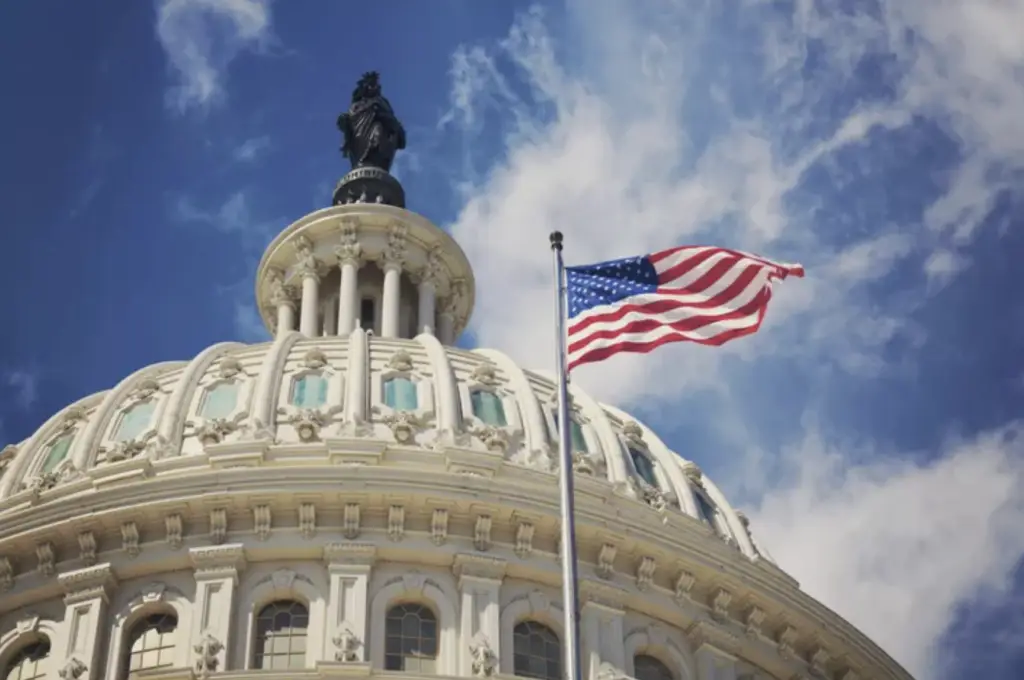
Image source: ThoughtCo
What is “Crypto Week” and why does it matter?
“Crypto Week” refers to a coordinated legislative push beginning July 14, during which the House will prioritize digital asset policy discussions. Congressional staff briefings indicate that the initiative is designed to address gaps in existing regulatory frameworks that have struggled to keep pace with market expansion.
The legislative agenda includes:
- The CLARITY Act
- The Anti-CBDC Surveillance State Act
- The Senate’s GENIUS Act
This coordinated effort reflects growing urgency within policymakers to establish regulatory clarity in a rapidly evolving sector.
What does the CLARITY Act aim to solve?
The CLARITY Act focuses on resolving jurisdictional disputes between regulators, particularly the U.S. Securities and Exchange Commission and the Commodity Futures Trading Commission.
Draft policy frameworks indicate that the bill would:
- Classify digital assets into securities, commodities, and stablecoins
- Grant the CFTC oversight of digital commodities such as Bitcoin
- Maintain SEC authority over tokenized securities
- Introduce dual-track registration for market participants
- Expand anti-fraud and consumer protection measures
Policymakers state that this structure aims to reduce regulatory ambiguity that has historically affected compliance and investment decisions.
How could regulatory clarity affect innovation?
Uncertainty over asset classification has been a persistent challenge for U.S.-based crypto firms. Policy analysts indicate that a clearer regulatory framework could reduce enforcement-related risks and support domestic innovation.
Potential impacts include:
- Increased development of U.S.-based crypto projects
- Reduced migration of firms to offshore jurisdictions
- Greater willingness from investors to allocate capital domestically
However, experts caution that transitional complexity and overlapping enforcement responsibilities may continue to create short-term challenges.
What role does the GENIUS Act play?
The GENIUS Act establishes a federal framework for payment stablecoins, an area of growing regulatory focus. Legislative summaries indicate that the bill outlines eligibility requirements for issuers, reserve standards, and supervisory roles for both federal and state regulators.
By formalizing rules around dollar-backed digital assets, policymakers aim to support payment innovation while maintaining financial stability. Oversight of stablecoin structures is expected to involve agencies including the U.S. Securities and Exchange Commission and banking regulators.
How could regulation drive crypto capital inflows?
The United States remains the largest institutional market for digital assets, and regulatory clarity is widely viewed as a key driver of capital inflows. Market analysis suggests that clearer frameworks could enable broader institutional participation through compliant investment vehicles.
Key implications include:
- Potential pathways for additional crypto ETF approvals
- Expansion of stablecoin use in payments and settlement systems
- Increased participation from traditional financial institutions
At the same time, the outcome of these bills may influence global regulatory standards, particularly in jurisdictions aligned with U.S. financial systems.
What is the purpose of the Anti-CBDC bill?
The Anti-CBDC Surveillance State Act seeks to restrict the Federal Reserve from issuing a retail central bank digital currency. Supporters argue that the measure is necessary to protect financial privacy and prevent centralized monitoring of transactions.
Critics, including policy analysts and financial experts, caution that limiting CBDC development could reduce the United States’ ability to compete with jurisdictions actively exploring state-backed digital currencies.
What risks and uncertainties remain?
Despite legislative momentum, several uncertainties remain for investors and institutions. Policy experts highlight that differences between House and Senate proposals may lead to delays or inconsistencies in final frameworks.
Key risks include:
- Regulatory fragmentation between competing legislative approaches
- Policy uncertainty driven by political negotiation
- Legal challenges related to asset classification
- Market volatility linked to legislative outcomes
Additionally, stricter compliance requirements may increase operational costs for smaller firms navigating the regulatory transition.
Policy Snapshot: Key Legislative Developments
| Bill | Focus Area | Market Impact |
|---|---|---|
| CLARITY Act | Market structure | Regulatory certainty |
| GENIUS Act | Stablecoins | Payment innovation |
| Anti-CBDC Act | Privacy | Policy limitation |
| Timeline | July review | Short-term volatility |
| Institutional Impact | Increasing | Positive |
Policy Clarity With Measured Expectations
“Crypto Week” represents a coordinated effort to address regulatory fragmentation in the U.S. digital asset market. Legislative progress may provide long-term clarity and support institutional adoption, particularly as investors seek regulated exposure to digital assets.
However, the legislative process remains subject to political negotiation and implementation challenges. The outcome of these efforts is likely to influence not only domestic markets but also the global regulatory trajectory for digital assets.