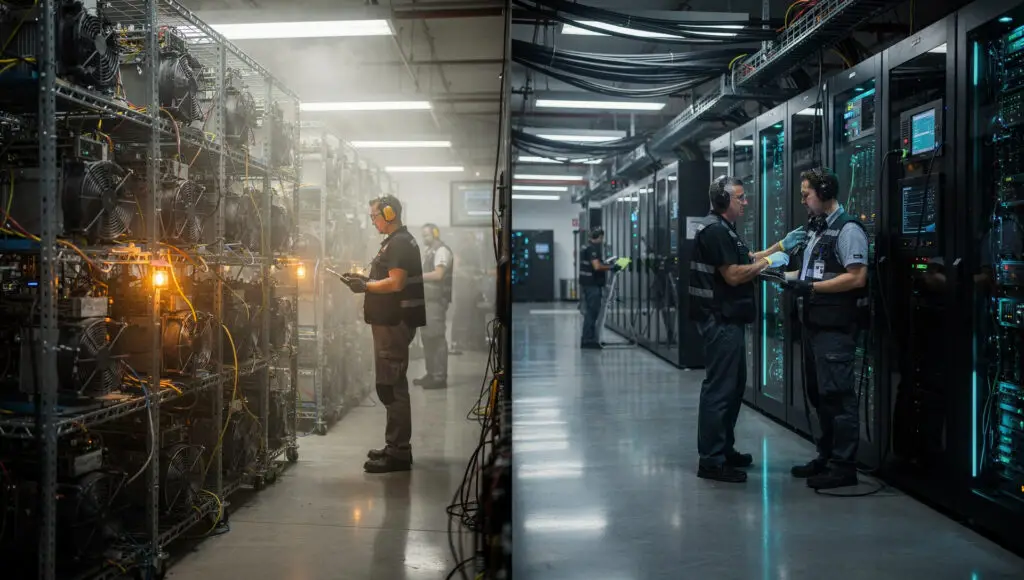
A Transformative Year Defined by Rapid Tech Convergence
The year 2026 marks a dramatic turning point shaped by AI advances, quantum risks, and Web 4.0 foundations. Businesses face unprecedented disruption as autonomous systems replace traditional workflows at global scale.
Technology is no longer emerging gradually. Instead, it is accelerating aggressively. Organizations must adapt quickly as automation expands across industries and reshapes economic structures.
Agentic AI Becomes the Dominant Force in Industrial Automation
Agentic AI represents the most significant leap in 2026. These systems can reason, plan, and execute multistep tasks without continuous human oversight. Their ability to take action marks a shift from generative content toward operational autonomy.
Business functions that once required coordinated human effort now operate through AI agents. These agents manage campaigns, analyze performance, reroute shipments, and design prototypes using real-time market data.
Autonomous Factories Define the Next Phase of Industrial Evolution
Industry 5.0 introduces factories powered by AI agents capable of self-diagnosis and dynamic adjustments. Machines automatically reroute production lines and coordinate repairs without human intervention.
This level of autonomy requires careful governance structures. Companies must build transparent oversight systems ensuring observability, accountability, and consistent audit trails across their automated environments.
Recommended Article: Teens Struggle Emotionally as AI Companions Are Suddenly Removed
Web 4.0 Foundations Reshape How Humans and Machines Interact
Web 4.0 infrastructure expands through spatial computing, digital twins, and real-time virtual simulation layers. Entire cities, factories, and corporate systems operate with live digital replicas for enhanced monitoring.
Extended Reality becomes the primary interface for interacting with complex environments. Engineers use immersive digital twins to diagnose issues and simulate solutions before touching physical equipment.
Quantum Threats Accelerate Global Security Transformation
Quantum computing advances prompt widespread concern across cybersecurity communities. Adversaries increasingly adopt “harvest now, decrypt later” strategies targeting encrypted data for future exploitation.
Organizations begin long-term migration toward post-quantum cryptography. Security teams map encryption assets, establish priority tiers, and invest heavily in cryptographic agility across critical systems.
AI-Driven Cyber Threats Trigger a New Security Arms Race
Agentic AI powers both defensive and offensive cybersecurity strategies. Attackers deploy adaptive ransomware, deepfake scams, and automated intrusions capable of evolving during attacks.
Defenders counter with predictive AI systems operating within autonomous security centers. These platforms anticipate threats, isolate risks, and neutralize breaches in milliseconds without human intervention.
Critical Infrastructure Faces Heightened Vulnerability in 2026
Energy, water, telecommunications, and transportation sectors face increasing exposure to cyber-physical threats. State-level actors target operational technology, creating real-world disruptions.
Urban digital twins offer strong defensive capabilities. They allow organizations to simulate failures, rehearse crisis responses, and stress-test entire networks under extreme virtual scenarios.
Supply Chains Transform Through Autonomous AI-Driven Oversight
Agentic AI reshapes global supply chains by predicting disruptions and triggering autonomous rerouting. Companies gain continuous visibility into risks affecting logistics and supplier networks.
Compliance also becomes increasingly automated. Specialized AI agents evaluate carbon impacts, verify documentation, and ensure regulatory adherence across large decentralized ecosystems.
Building Resilient Systems Becomes the Defining Priority for Leaders
Corporate resilience requires leadership capable of governing autonomous agents and anticipating systemic threats. Organizations must redesign entire operational layers to withstand ongoing technological shifts.
Winning companies will embrace post-quantum security, expand AI governance, and integrate continuous monitoring. Those failing to adapt risk severe operational disruption and strategic decline.