

AI Infrastructure Expansion Reaches Communities
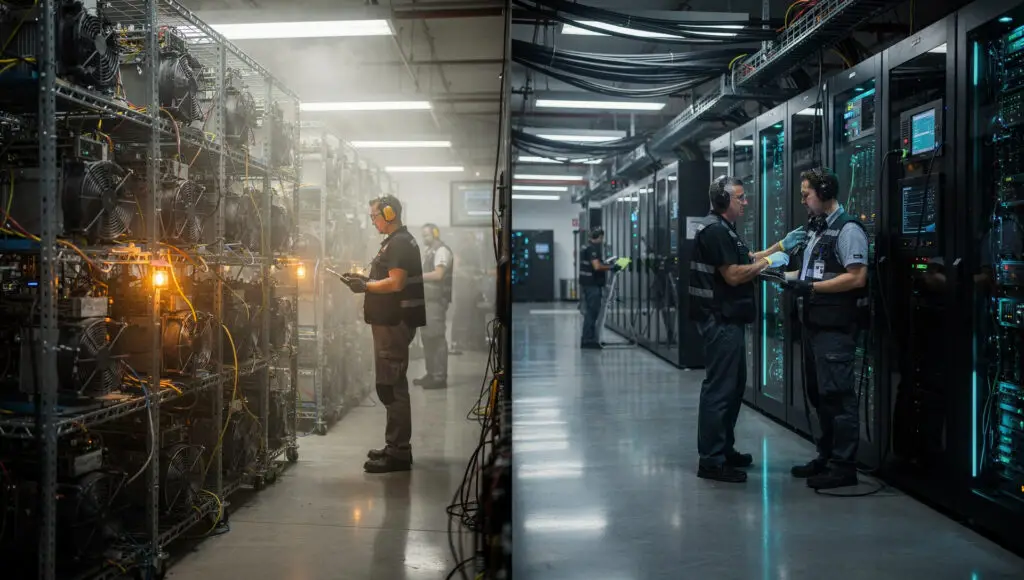
As artificial intelligence adoption accelerates in 2026, the physical infrastructure behind it is expanding rapidly across the United States. Massive data centers, power substations, and cooling facilities are being built to support AI model training and deployment at scale.
While these projects promise jobs and investment, they are increasingly reshaping local landscapes. Communities that once welcomed tech development are now weighing the costs alongside the benefits.

Energy Demand Becomes a Flashpoint
One of the most visible sources of tension is energy consumption. AI data centers require enormous and continuous electricity supply, often rivaling the demand of small cities.
Utilities in several states report that new AI facilities are straining grids and accelerating the need for costly upgrades. Residents worry that rising power demand could lead to higher electricity prices or reduced reliability during peak periods.
Water Use and Environmental Concerns Grow
Beyond electricity, water usage has emerged as another contentious issue. Many AI data centers rely on water-intensive cooling systems, placing pressure on local supplies, particularly in drought-prone regions.
Environmental groups argue that the pace of expansion is outstripping environmental review processes. Concerns over groundwater depletion, heat discharge, and land disruption are increasingly central to public hearings.
Recommended Article: Enterprise AI Spending Shifts From Experimentation to Measurable Returns in…
Zoning Battles and Local Resistance
Zoning boards and city councils are becoming key battlegrounds for AI infrastructure projects. In some cases, residents have organized to block or delay construction, citing noise, traffic, and land-use conflicts.
Local officials face difficult choices. On one hand, AI projects offer tax revenue and employment opportunities. On the other, approving large-scale facilities can trigger political backlash from constituents who feel excluded from decision-making.
Trust and Transparency Take Center Stage
Analysts note that trust has become a critical factor in AI infrastructure approval. Communities are demanding greater transparency around environmental impact, energy sourcing, and long-term commitments from developers.
Companies that fail to engage early with residents risk reputational damage and costly delays. As a result, public consultation is shifting from a formality to a strategic necessity.
Regulatory Frameworks Struggle to Keep Pace
At the regulatory level, oversight remains fragmented. AI infrastructure intersects with energy regulation, environmental law, data governance, and national security, yet no unified framework exists.
State and federal lawmakers are exploring new guidelines to manage the pace and scale of development. Proposals include stricter environmental reviews, energy efficiency standards, and reporting requirements tied specifically to AI facilities.
Business Models Adjust to Political Reality
In response to mounting scrutiny, some technology firms are altering their strategies. Investments in renewable energy, water recycling, and modular data center design are becoming more common.
Others are relocating projects to regions with surplus power capacity or more permissive zoning laws. This geographic reshuffling reflects how local politics now directly shape AI deployment decisions.
Labor and Economic Promises Under Scrutiny
Supporters of AI infrastructure highlight economic benefits, including construction jobs and long-term technical roles. However, critics argue that many facilities are highly automated and deliver fewer permanent jobs than promised.
This disconnect has fueled skepticism among local leaders who question whether short-term gains justify long-term resource commitments.
National Competition Complicates Oversight
From a national perspective, AI infrastructure is framed as critical to economic competitiveness and security. Policymakers worry that excessive restrictions could slow innovation or push investment overseas.
This strategic framing complicates local opposition. Communities find themselves caught between national priorities and local consequences, with limited leverage over broader policy direction.
The Path Forward for AI Infrastructure
As 2026 unfolds, AI infrastructure development is entering a more politically complex phase. Growth is no longer constrained by capital or demand, but by consent, regulation, and sustainability.
The companies that succeed will be those able to balance speed with accountability. For governments, the challenge lies in enabling innovation while protecting communities and resources. The outcome will shape not just AI’s future, but public trust in technological progress itself.