Bitcoin Drops Sharply After Record Breaking Rally
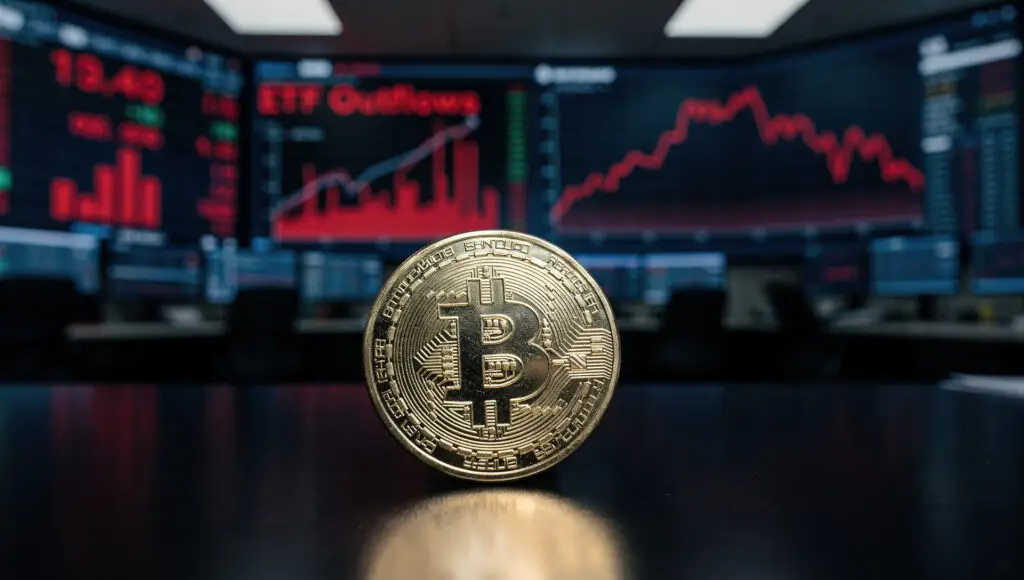
Bitcoin experienced a significant correction after reaching an all-time high of $126,198 in late 2025. The price has since fallen more than 40%, shaking investor confidence across global markets.
This decline followed an extended period of rapid growth that attracted widespread attention from retail and institutional investors. Many market participants are now reassessing their strategies amid heightened volatility.
Despite the downturn, Bitcoin remains the largest cryptocurrency by market capitalization. Its dominance continues to influence broader crypto market trends and investor sentiment globally.
Market Sentiment Turns Bearish As Fear Index Falls
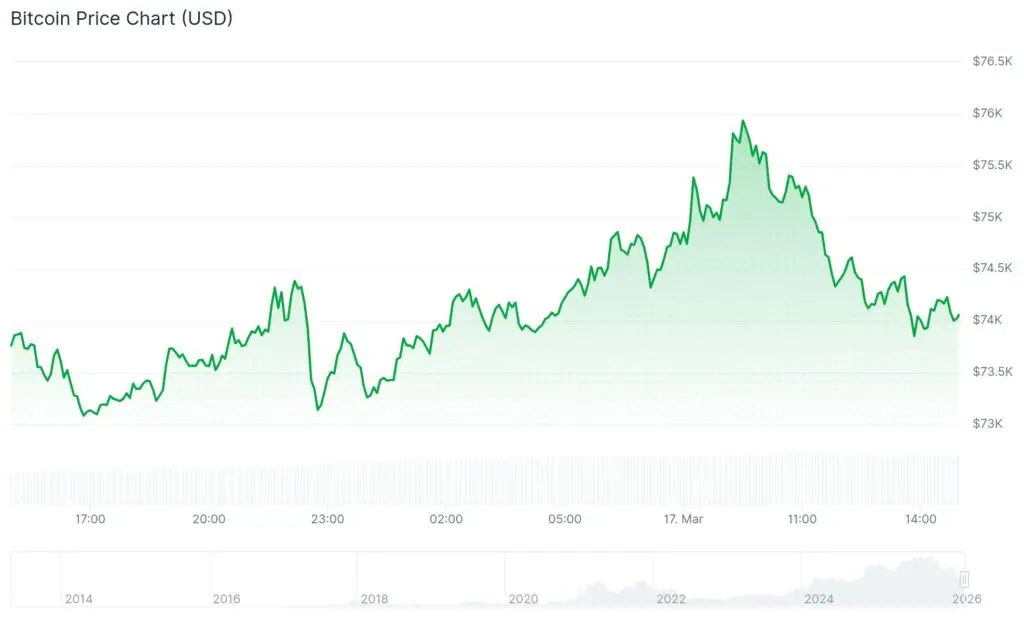
The Crypto Fear and Greed Index has dropped into the fear zone, reflecting widespread pessimism among investors. Recent readings as low as 20 indicate extreme concern about near-term price movements.
This index serves as a sentiment indicator rather than a precise valuation tool. It highlights emotional reactions that often drive market behavior during periods of uncertainty.
Historically, extreme fear levels have sometimes coincided with market bottoms. However, they do not guarantee immediate recovery or price reversals in volatile conditions.
Profit Taking And Liquidations Drive Recent Decline
One major factor behind Bitcoin’s recent drop is profit-taking among long-term holders. Investors who accumulated assets earlier are now locking in gains after significant price appreciation.
Additionally, leveraged positions have been forced to liquidate as prices declined. Margin calls triggered widespread selling pressure, amplifying the downward movement in the market.
These combined forces create a cycle of declining prices and increased volatility. Short-term fluctuations can intensify as traders react to rapidly changing conditions.
Institutional Support Strengthens Long Term Outlook
Despite short-term weakness, institutional support for Bitcoin continues to grow steadily. The introduction of Bitcoin exchange-traded funds has attracted significant capital from traditional investors.
The establishment of a U.S. Strategic Bitcoin Reserve has also contributed to strengthening confidence in the asset. These developments help create a more stable foundation for long-term growth.
Institutional adoption is often seen as a key driver of future price appreciation. Increased participation from large investors can improve liquidity and reduce extreme volatility over time.
Scarcity And Network Strength Support Value
Bitcoin’s fixed supply of 21 million coins remains one of its most important features. This scarcity model differentiates it from traditional fiat currencies that can be printed without limit.
The network continues to demonstrate strong fundamentals, including increasing hashrate and transaction volume. These indicators suggest ongoing usage and resilience of the blockchain.
Security is another critical factor supporting Bitcoin’s value proposition. The network has maintained its integrity over time, reinforcing trust among users and investors.
Macro Factors Could Influence Future Price Movements
Macroeconomic conditions play a crucial role in shaping Bitcoin’s price trajectory. Interest rate policies from central banks can influence investor appetite for riskier assets like cryptocurrencies.
Lower interest rates tend to encourage investment in assets with higher potential returns. This environment could drive additional capital into Bitcoin and the broader crypto market.
Geopolitical events and economic uncertainty also affect market sentiment. Investors often adjust their portfolios in response to global developments, impacting crypto demand.
Long Term Investors See Opportunity In Downturn
Many long-term investors view the current pullback as a potential buying opportunity. Historical trends show that Bitcoin has recovered from previous bear markets and reached new highs.
However, uncertainty remains about whether prices have reached their bottom. Market timing is inherently difficult, and further declines cannot be ruled out.
For those with a long-term perspective, gradual accumulation during downturns may be a strategic approach. Patience and risk management remain essential in navigating volatile markets.