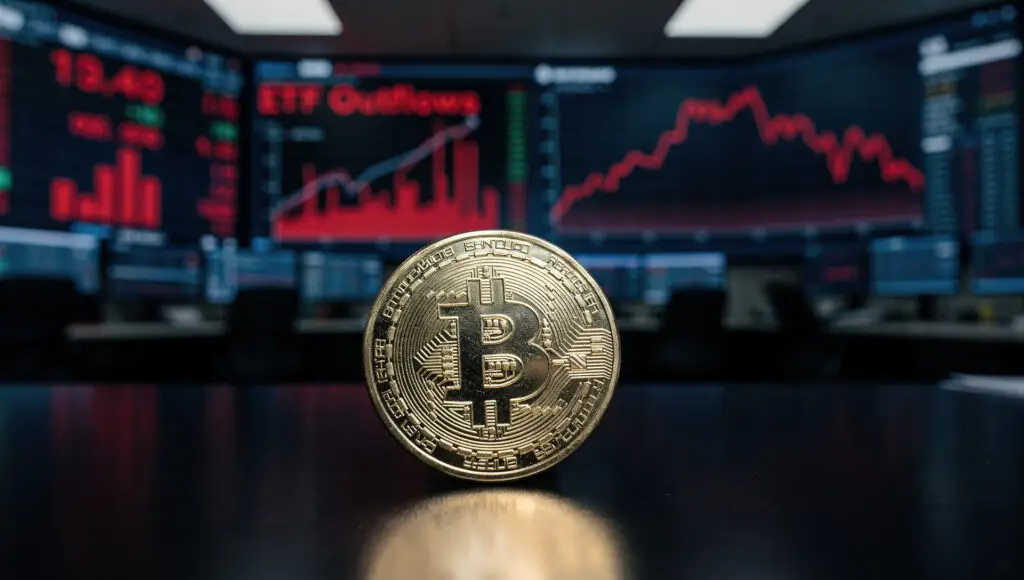


Bitcoin Volatility Trends Show Gradual Long-Term Stabilization
Bitcoin volatility remains significantly higher than traditional financial assets, yet long-term data shows a consistent downward trend. This reflects increasing maturity and deeper integration into global financial systems over time.
Improved liquidity, better infrastructure, and broader investor participation have helped stabilize price fluctuations compared to earlier cycles. However, sudden market shocks still occur due to structural factors unique to cryptocurrency trading environments.
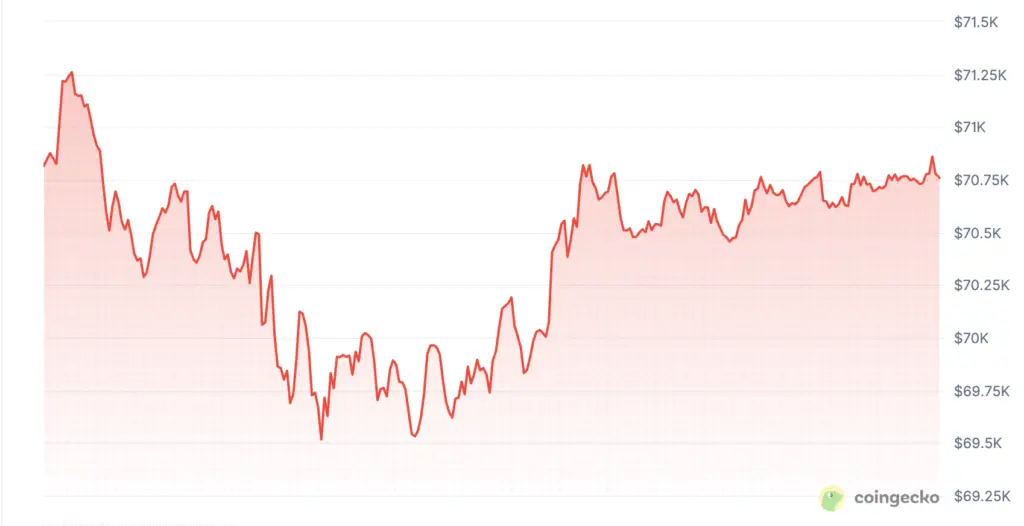
Institutional Adoption Strengthens Bitcoin Market Integration
Institutional adoption has played a crucial role in shaping Bitcoin’s evolving market behavior and reducing extreme volatility. The introduction of futures contracts and spot exchange-traded funds has strengthened ties with traditional finance.
Corporate treasury allocations and regulated investment vehicles have increased participation from institutional investors worldwide. This growing presence has enhanced liquidity and contributed to more stable pricing dynamics over time.
Leverage and Derivatives Amplify Price Movements
Despite improving stability, Bitcoin markets remain highly sensitive to leverage-driven trading mechanisms and derivative instruments. Perpetual futures contracts enable traders to access high leverage without owning underlying assets directly.
This structure increases the likelihood of cascading liquidations during market downturns, amplifying price declines significantly. Automated liquidation systems can trigger rapid selling pressure across exchanges within short timeframes.
Bitcoin Functions as Long-Term Inflation Hedge
Bitcoin is increasingly viewed as a hedge against long-term currency debasement rather than short-term inflation fluctuations. Its fixed supply and decentralized nature appeal to investors seeking protection against monetary expansion policies.
However, empirical data shows inconsistent correlation between Bitcoin prices and short-term inflation indicators or interest rates. This suggests Bitcoin is less effective as a hedge against immediate economic changes.
Correlation With Traditional Markets Continues Increasing
Bitcoin’s relationship with traditional financial assets has strengthened significantly over recent years, particularly with equities. During risk-off events, Bitcoin often moves in the same direction as major stock indices.
This shift indicates that Bitcoin is increasingly treated as a risk asset rather than an independent store of value. Investors now respond to macroeconomic conditions in ways similar to traditional markets.
Market Structure Drives Sudden Price Shocks
Bitcoin’s market structure includes fragmented liquidity and high leverage, which can lead to rapid and severe price movements. Flash crash events demonstrate how quickly prices can decline under stress conditions.
Large-scale liquidations triggered by leveraged positions can amplify volatility and create cascading effects across exchanges. These structural risks differentiate cryptocurrency markets from more regulated traditional financial systems.
New Financial Products Introduce Additional Risks
The emergence of tokenized Bitcoin, exchange-traded funds, and digital asset treasury companies has expanded investment opportunities. However, these innovations also introduce new layers of complexity and risk for investors.
Counterparty exposure, smart contract vulnerabilities, and leverage-related risks must be carefully considered when investing. Understanding these factors is essential for navigating the increasingly interconnected cryptocurrency ecosystem.