A Year That Defied Crypto Expectations
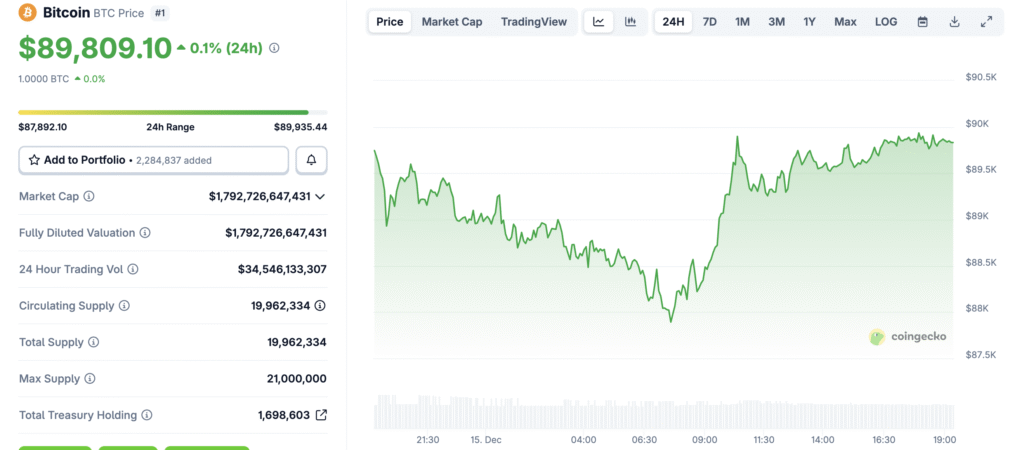
At the start of 2025, many investors believed cryptocurrencies were finally entering the mainstream. Institutional adoption was expanding, spot Bitcoin exchange-traded funds were attracting record inflows, and optimism dominated market narratives. That confidence was shaken abruptly when Bitcoin fell more than 30% beginning in October, triggering widespread losses and renewed skepticism.
The sudden downturn caught many investors off guard, particularly those who entered the market through ETFs earlier in the year. Instead of validating the idea that crypto had matured into a stable asset class, the selloff revived memories of past boom-and-bust cycles.
How Leverage Accelerated the Decline
According to Matthew Sigel, head of digital assets research at VanEck, the downturn was driven less by fundamentals and more by leverage. A flash crash in early October set off what he described as the largest liquidation event in crypto history. Automated trading systems and leveraged positions amplified selling pressure within hours.
Once prices began falling, forced liquidations accelerated losses. In crypto markets, selling often feeds on itself, creating a reflexive cycle where price declines trigger even more selling. This dynamic, Sigel argues, remains a defining feature of decentralized markets without central bank intervention.
The Unexpected Link Between AI and Bitcoin
Sigel also highlighted an overlooked connection between artificial intelligence investment and Bitcoin’s decline. Many Bitcoin miners had increasingly relied on Bitcoin sales to finance costly pivots into AI data center infrastructure. When capital conditions tightened, those miners were forced to sell even more Bitcoin to stabilize their balance sheets.
As electricity costs and borrowing expenses rose, Bitcoin became a funding source rather than a long-term holding for some operators. This created additional supply pressure at a time when market sentiment was already fragile.
Recommended Article: Bitcoin Price Outlook 2025–2030 Signals Potential Path Toward $111K
Understanding Bitcoin’s Cyclical Nature
Historically, Bitcoin has followed a four-year cycle marked by sharp rallies and deep corrections. While some investors expected 2026 to be a downturn year based on that pattern, Sigel cautions against rigid interpretations. Market structure has evolved significantly, particularly since the introduction of regulated ETFs.
Bitcoin’s volatility has declined notably compared to earlier cycles. If volatility has been reduced, Sigel argues, future drawdowns may also be smaller. The recent 35% correction, while painful, could represent a more moderate version of previous downturns.
Three Signals That Shape Short-Term Outlook
VanEck evaluates Bitcoin using three primary indicators. The first is global liquidity, including money supply trends and the strength of the US dollar. Bitcoin’s correlation with risk assets remains elevated, meaning macroeconomic conditions still heavily influence price movements.
The second indicator is leverage within crypto markets. Rapid increases in leverage tend to precede declines, while aggressive deleveraging often resets the market and creates healthier conditions for recovery. On this measure, Sigel sees reasons for optimism.
The third signal is on-chain activity. Transaction volumes, active addresses, and network fees remain relatively weak, suggesting limited short-term momentum despite improving structural conditions.
Adoption Is Slower Than Expected, But Broader
Despite price volatility, Bitcoin adoption continues to expand quietly. Major financial institutions now offer Bitcoin ETFs, while endowments, sovereign wealth funds, and even central banks have begun testing allocations. Several countries are mining Bitcoin to monetize energy resources and diversify reserves.
Globally, roughly one in ten people now owns Bitcoin. While still small relative to traditional assets, that penetration reflects growing acceptance beyond speculative trading.
Bitcoin’s Role Outside Developed Markets
Sigel emphasizes that Bitcoin’s utility is often misunderstood in wealthy economies. In regions facing inflation, capital controls, or unstable banking systems, Bitcoin can serve as a vital store of value. Its negative correlation with the dollar also enhances its appeal as a diversification tool.
For many users, Bitcoin is less about speculation and more about financial resilience. This use case continues to drive long-term adoption despite short-term price swings.
Portfolio Allocation and Long-Term Vision
VanEck typically recommends modest exposure to digital assets, often between one and three percent of a diversified portfolio. Sigel views holding zero crypto as an active decision rather than a neutral stance.
Looking decades ahead, he believes Bitcoin could capture a meaningful share of global reserves and trade settlement. While ambitious price targets attract attention, the core thesis rests on Bitcoin’s role as digital scarcity in an evolving financial system.