Bitcoin Closes 2025 In Negative Territory
Bitcoin is ending 2025 with notable losses. The asset failed to sustain earlier momentum. Market sentiment weakened into year end. Investors reduced exposure across risk assets. Liquidity conditions tightened during the holiday period. Trading volumes declined significantly. Price pressure remained persistent.
The underperformance contrasts with earlier optimism. Expectations for a strong finish faded gradually. Broader macro uncertainty weighed heavily. Bitcoin lagged several traditional assets. Gold and equities outperformed during the same period. Investor confidence became increasingly cautious. Year end positioning amplified declines.
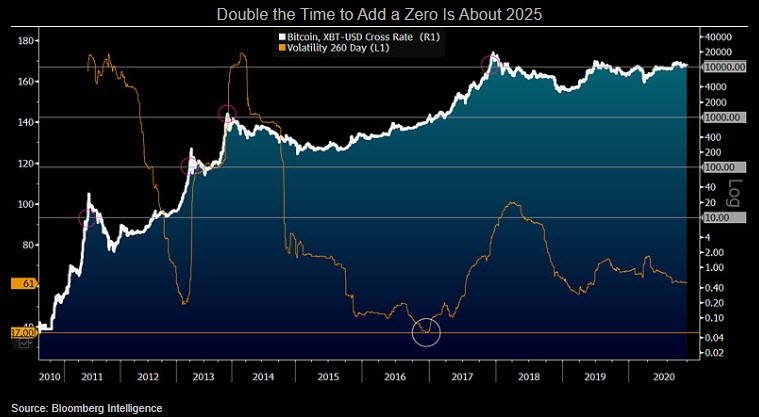
Macro Pressures Weighed On Crypto Markets
Interest rate expectations influenced crypto pricing. Investors favored assets with predictable yields. Bitcoin suffered from tighter financial conditions. Risk appetite declined across global markets. Central bank policy uncertainty persisted. Inflation data created mixed signals. Volatility increased across asset classes.
Geopolitical and economic uncertainty added strain. Market participants reduced speculative exposure. Capital rotated into perceived safe havens. Bitcoin’s correlation with risk assets resurfaced. Short term traders exited positions. Long term holders remained cautious. Macro headwinds dominated market narratives.
Year-End Selling And Tax Strategies Hurt Prices
Tax loss harvesting impacted crypto markets. Investors sold losing positions strategically. Selling pressure peaked late December. This pattern repeats annually in crypto markets. Thin liquidity magnified price movements. Short term weakness intensified quickly. Market depth declined significantly.
Crypto equities faced similar pressure. Investors locked in losses for tax benefits. Rebalancing reduced crypto allocations. Institutional desks slowed activity. Retail participation also fell. Prices struggled to stabilize. Recovery momentum remained elusive.
Recommended Article: BitMine’s Ethereum Staking Ambitions Target Million-Dollar Daily Yield In 2026
Liquidity And Trading Activity Slowed Sharply
Holiday periods reduced market participation. Institutional desks operated with limited staffing. Trading desks avoided aggressive positioning. Order books became thinner. Small trades moved prices disproportionately. Volatility spikes occurred unexpectedly. Market efficiency temporarily declined.
Lower liquidity amplified downside moves. Buyers hesitated to step in. Sellers dominated short term flows. Price discovery weakened noticeably. Derivatives volumes declined alongside spot markets. Leverage usage fell significantly. Market caution defined late December trading.
Can Bitcoin Rebound In Early 2026
January historically brings renewed inflows. Portfolio reallocation often supports prices. New capital may reenter crypto markets. Institutional interest remains structurally present. Regulatory clarity improved during 2025. Infrastructure adoption continues gradually. Market participants remain watchful.
However risks remain elevated. Macro conditions could tighten further. Risk assets may face renewed pressure. Bitcoin’s recovery depends on liquidity. Sentiment must shift convincingly. Volumes need to return sustainably. Confidence will take time to rebuild.
Comparisons With Other Asset Classes Intensify
Gold emerged as a top performer. Equities maintained strong year end momentum. Bitcoin underperformed relative benchmarks. Investors reassessed diversification benefits. Crypto volatility stood out negatively. Correlation narratives resurfaced again. Allocation strategies shifted accordingly.
Some investors questioned Bitcoin’s hedge role. Others view weakness as cyclical. Long term believers remain patient. Short term traders remain skeptical. Performance comparisons influence capital flows. Relative returns matter increasingly. Competition for capital remains intense.
Outlook Hinges On Policy And Liquidity Shifts
Central bank decisions will influence sentiment. Rate cuts could support risk assets. Liquidity expansion favors crypto recoveries. Fiscal policy developments also matter. Market narratives may change rapidly. Early 2026 data will be critical. Bitcoin faces a defining transition period.