

ASEAN Set to Become Major Global Economic Power
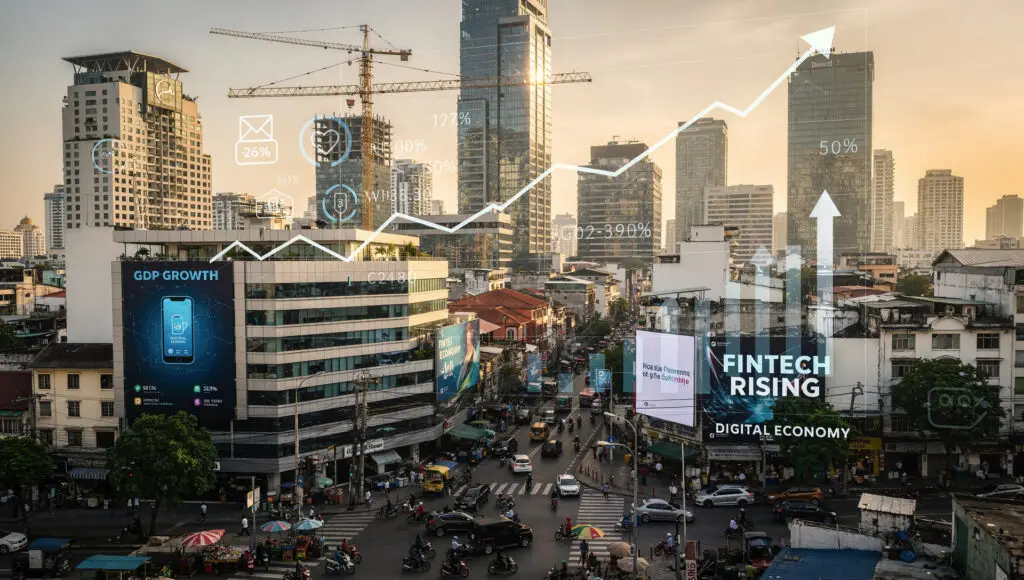
The Association of Southeast Asian Nations is projected to become the world’s fourth-largest economy by 2030. Rapid expansion is driven by digital growth, trade activity, and increasing regional economic integration.
The region’s digital economy alone is expected to reach five hundred sixty billion dollars within the decade. This growth supports job creation, innovation, and stronger economic resilience across member countries.

Key Economies Drive Regional Expansion
Countries such as Vietnam, Indonesia, Malaysia, and the Philippines are leading ASEAN’s economic growth trajectory. These nations benefit from strong domestic consumption, foreign investment inflows, and favorable demographic structures.
Their young and growing populations provide a steady workforce that supports long-term productivity and development. This demographic advantage continues to attract global investors seeking emerging market opportunities.
Vietnam Emerges as Fastest-Growing Economy
Vietnam has positioned itself as the fastest-growing economy in Southeast Asia with strong GDP expansion rates. Growth has been supported by stable governance, competitive labor costs, and increasing industrial output.
The country has attracted billions in foreign direct investment, particularly in advanced manufacturing and technology sectors. These developments strengthen Vietnam’s role as a regional economic powerhouse.
Digital Economy Drives Innovation and Growth
ASEAN’s digital economy continues expanding rapidly, fueled by artificial intelligence, digital finance, and e-commerce platforms. Consumers are increasingly adopting online services, transforming how businesses operate across the region.
Digital transformation enhances efficiency, expands financial inclusion, and opens new opportunities for startups and enterprises. This shift is expected to remain a key driver of economic growth in coming years.
Climate Risks Pose Serious Economic Challenges
Despite strong growth, ASEAN faces increasing vulnerability to climate-related disasters such as floods and typhoons. These events can disrupt economies, damage infrastructure, and threaten long-term development across the region.
Experts emphasize the need for improved climate risk financing and disaster preparedness strategies. Strengthening resilience will help reduce economic losses and support faster recovery during crises.
ASEAN Strengthens Role in Global Trade Networks
Southeast Asia’s strategic geographic location makes it a vital hub in global trade and supply chains. The region connects major markets across Asia, the Americas, and the Middle East efficiently.
ASEAN economies have demonstrated resilience despite global trade disruptions, including tariffs and shifting geopolitical dynamics. Open market policies and adaptability continue supporting regional competitiveness internationally.
Future Growth Depends on Cooperation and Stability
ASEAN’s long-term success will depend on sustained cooperation among member nations and global economic partners. Stronger regional integration can help address shared challenges and unlock new economic opportunities.
Maintaining a rules-based trading system and fostering collaboration with major economies will be essential moving forward. With the right strategies, ASEAN is well-positioned to shape global economic growth in the coming decade.