

Unemployment Rises to Four-Year High
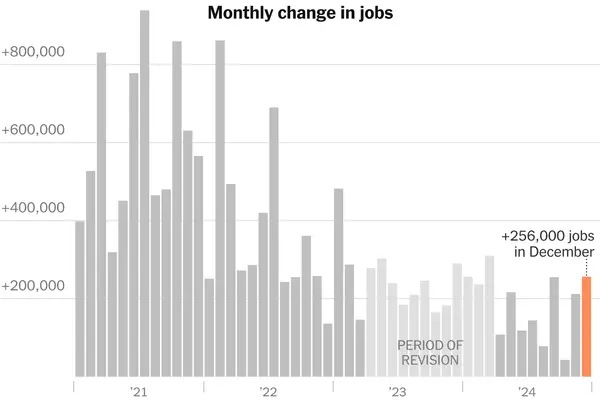
The US labor market is showing unmistakable signs of cooling, with unemployment rising to 4.6 percent, the highest level in four years. Economists view this increase as a meaningful shift rather than routine volatility, especially given the broader economic context.
Although payrolls grew by 64,000 jobs last month, the gains were modest and followed several months of weakness. Analysts caution that job creation at this pace may be insufficient to absorb new entrants into the labor force.
Shutdown Delays Add to Uncertainty
The latest jobs report was delayed due to a six-week government shutdown, disrupting normal data collection and complicating analysis. Some economists warn that gaps in survey responses may distort short-term readings.
Still, longer-term trends remain visible. Since the beginning of the year, unemployment has climbed steadily, reinforcing concerns that labor market momentum is fading.
Federal Employment Cuts Weigh Heavily
Federal employment losses have played a significant role in recent job declines. Nearly 168,000 federal positions were eliminated over the past two months, marking one of the sharpest contractions in years.
These cuts disproportionately affect regions with large government workforces, particularly the Washington, D.C. area, amplifying localized economic strain.
Recommended Article: Trump’s Confidence in a 2026 Economic Boom Shapes White House…
Long-Term Unemployment Sends Warning Signals
The number of Americans unemployed for 27 weeks or longer has risen to nearly two million, accounting for roughly one-quarter of all unemployed individuals. Long-term unemployment is often one of the most troubling labor indicators.
Extended joblessness can erode skills, reduce earnings potential, and increase reliance on public assistance, creating long-lasting economic consequences beyond headline figures.
Sector Imbalances Continue to Grow
Job growth remains concentrated in healthcare, education, and social services, sectors driven largely by demographic demand. These areas have continued to add workers despite broader economic softness.
In contrast, manufacturing and transportation continue to shed jobs, reflecting automation, global competition, and trade-related pressures. This imbalance highlights the uneven nature of the current economic slowdown.
Worker Confidence Appears to Be Fading
Worker sentiment indicators suggest growing caution. Fewer employees are voluntarily leaving jobs, signaling concerns about reemployment prospects.
At the same time, underemployment is rising, with more workers reporting part-time hours despite preferring full-time positions. This trend often precedes broader labor market deterioration.
Regional and Demographic Impacts
The slowdown is not uniform across the country. Regions dependent on federal employment or manufacturing face sharper headwinds, while areas anchored by healthcare remain relatively resilient.
Lower-income workers and younger job seekers are typically more vulnerable during periods of labor market cooling, raising concerns about widening economic disparities.
Implications for Federal Reserve Policy
The Federal Reserve cited labor market risks when it cut interest rates recently, despite inflation remaining above target. Policymakers appear increasingly focused on preventing further employment deterioration.
However, economists caution that current data may not yet justify immediate additional cuts. The Fed is expected to rely heavily on upcoming employment and inflation reports before adjusting policy further.
Economy Weakening but Not Collapsing
Despite warning signs, analysts stress that the economy is not in crisis. Private-sector job growth remains positive, though modest, and consumer spending has not collapsed.
The picture is one of fragility rather than recession, with risks increasing if negative trends accelerate.
What to Watch in the Months Ahead
Future jobs reports will be critical in determining whether the slowdown stabilizes or deepens. Analysts are closely watching labor force participation, wage growth, and hiring intentions.
Business investment and consumer confidence will also shape employment trends as the economy enters 2026.
A Cautionary Signal for Policymakers
The latest jobs data serves as a clear warning that the US labor market is losing momentum. While some sectors remain strong, underlying weaknesses are becoming harder to dismiss.
How policymakers respond in the coming months may determine whether the slowdown remains manageable or evolves into a broader economic challenge.