Fuel Shortage Brings Cuban Economy to Standstill
Cuba is experiencing a severe fuel shortage that has disrupted daily life and economic activity nationwide. Transportation systems have slowed significantly, affecting both public services and private businesses.
The crisis stems from restrictions on fuel supply, limiting access to essential energy resources. As a result, economic operations across multiple sectors have been severely constrained.
Tourism Industry Suffers Major Setbacks
The tourism sector, a key driver of Cuba’s economy, has been heavily impacted by the fuel crisis. Flight cancellations and reduced travel have led to widespread booking disruptions.
Businesses relying on international visitors are facing significant financial losses due to declining tourist arrivals. Many operators are struggling to maintain operations under current conditions.
Small Businesses Face Growing Uncertainty
Entrepreneurs and small business owners are among the hardest hit by the ongoing economic disruption. Many have lost income sources as operations slow or shut down completely.
Service-based industries, including hospitality and transportation, are particularly affected by reduced activity. This has forced workers to consider alternative employment options.
Transportation System Nears Collapse
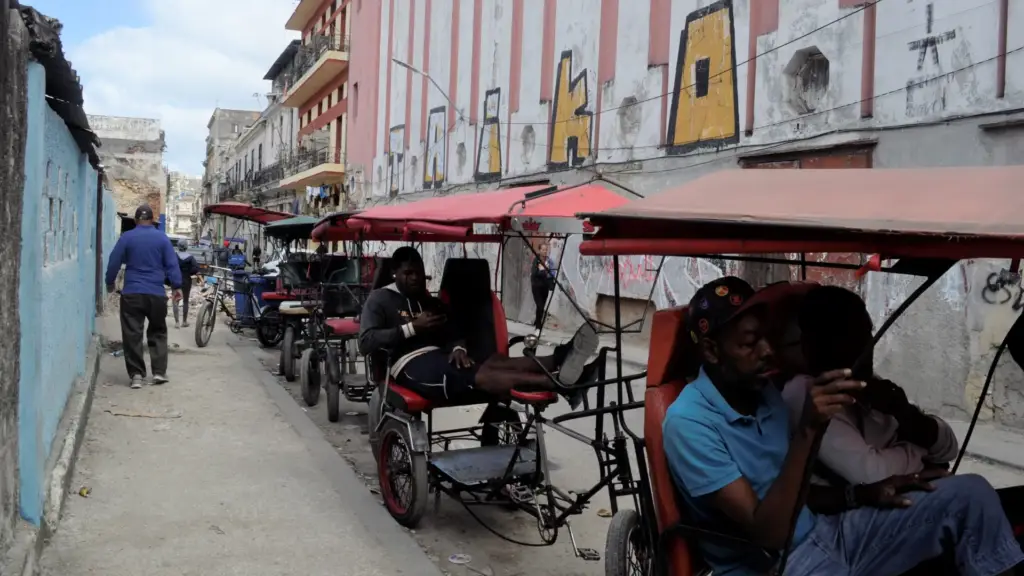
Fuel shortages have severely limited the availability of transportation across the country. Public transit services are operating at reduced capacity, creating significant mobility challenges.
Private transport options have become more expensive as fuel scarcity drives prices higher. This has increased the cost of living for many residents.
Rising Costs and Black Market Activity Increase
The scarcity of fuel has led to sharp increases in prices within informal markets. Black market fuel prices have surged dramatically, reflecting the imbalance between supply and demand.
This situation has placed additional financial strain on households already facing economic hardship. Access to basic services is becoming increasingly difficult for many citizens.
Government Implements Emergency Measures
Authorities have introduced emergency policies to manage the ongoing fuel crisis and its economic effects. These measures include limiting fuel purchases and reducing work schedules.
Some public services have shifted to remote operations to conserve energy resources. These adjustments aim to stabilize the situation while longer-term solutions are explored.
Economic Outlook Remains Highly Uncertain
Experts warn that the current crisis could be one of the most challenging periods for Cuba’s economy in recent years. Long-term recovery will depend on structural reforms and improved resource availability.
Without significant changes, economic conditions may continue to deteriorate in the coming months. The situation highlights the vulnerability of the country’s economic system to external pressures.