Middle East Conflict Directly Impacts Philippines
The escalating conflict in the Middle East presents significant economic risks for the Philippines. The region plays a critical role in supporting overseas employment for millions of Filipino workers.
Developments in the Gulf are not distant geopolitical events but direct economic concerns for Filipino households. Changes in regional stability can quickly affect livelihoods and domestic economic conditions.
Millions of Filipinos Work in the Region
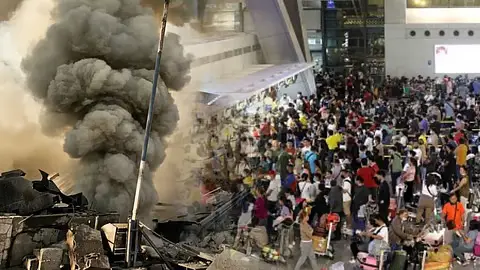
A large number of overseas Filipino workers are based in the Middle East, forming a major part of the labor force abroad. These workers contribute significantly to the Philippine economy through remittances.
The concentration of workers in the region increases exposure to geopolitical risks and economic disruptions. Any instability could have widespread effects on employment and income flows.
Remittances Serve as Economic Backbone
Remittances from overseas workers represent a crucial source of income for many Filipino families. These funds support household consumption and contribute significantly to national economic activity.
A decline in remittance flows could weaken domestic demand and slow overall economic growth. This highlights the importance of stability in regions where Filipino workers are employed.
Oil Price Volatility Adds Economic Pressure
The conflict has pushed oil prices higher, increasing costs for countries that rely heavily on energy imports. The Philippines is particularly vulnerable to such fluctuations in global energy markets.
Higher fuel prices can lead to inflation, affecting both consumers and businesses across the country. This adds another layer of economic pressure during periods of global uncertainty.
Risks to Employment and Labor Markets
Escalating tensions could disrupt labor markets in the Middle East, affecting job security for overseas workers. Business closures or economic slowdowns may reduce employment opportunities significantly.
Such disruptions would directly impact Filipino workers and their families back home. The effects could extend across multiple sectors and regions within the Philippines.
Government Preparedness and Response
Authorities are monitoring the situation closely and preparing contingency plans for affected workers. Repatriation efforts may be implemented if conditions worsen in the region.
Government agencies are also working to ensure the safety and welfare of Filipinos abroad. These measures aim to reduce potential economic and social impacts of the crisis.
Long-Term Economic Implications Remain Uncertain
The long-term impact of the conflict will depend on its duration and severity. Prolonged instability could lead to sustained economic challenges for the Philippines.
Diversifying economic strategies and reducing reliance on external factors may help mitigate future risks. Strengthening resilience will be essential in navigating global uncertainties moving forward.