Strait Of Hormuz Disruption Hits Global Economy Hard
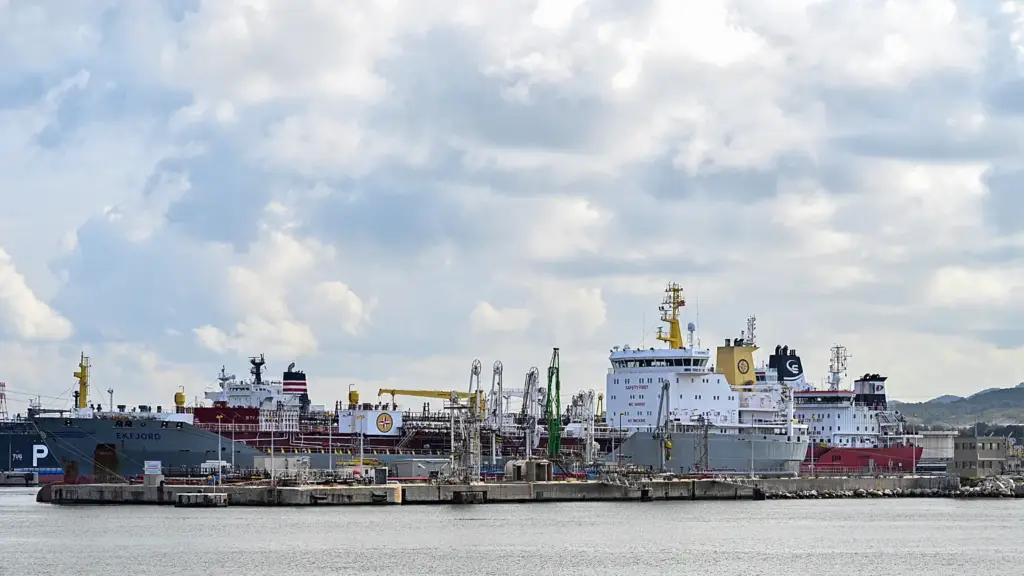
The Strait of Hormuz plays a critical role in global trade, handling over 20% of the world’s oil supply. Its disruption has triggered widespread concern across financial markets and industries.
This narrow maritime route connects key energy producers to global consumers, making it highly vulnerable. Any blockage creates immediate consequences for supply chains and economic stability worldwide.
The current conflict has significantly reduced traffic through the strait, intensifying fears of prolonged disruption. This situation is already affecting global economic conditions.
Oil Impact Extends Beyond Fuel Prices
While rising oil prices dominate headlines, the true economic impact goes far beyond gasoline costs. Oil serves as a foundational input for many industries and products.
It is used to produce plastics, chemicals, and essential industrial materials. These products are critical for manufacturing, construction, and everyday consumer goods.
As oil prices increase, the cost of these materials also rises. This creates inflationary pressure across multiple sectors of the economy.
Fertilizer Supply Disruptions Affect Food Production
One major consequence of the conflict is disruption in fertilizer supply chains. Fertilizers derived from hydrocarbons are essential for modern agriculture.
Countries that rely on imports from the Middle East are particularly vulnerable. Limited supply can lead to higher food production costs and reduced agricultural output.
This situation may result in increased food prices globally. The impact could be especially severe for developing nations with limited resources.
Technology Sector Faces Resource Constraints
The technology sector is also affected by the disruption in energy supply chains. Key components such as semiconductors rely on materials linked to energy production.
Helium and other resources used in chip manufacturing may become scarce due to supply constraints. This could slow production and increase costs for electronic devices.
As demand for technology continues to grow, these disruptions could create significant challenges. The effects may ripple across industries that depend on advanced technology.
Supply Chains Experience Widespread Disruption
Global supply chains are experiencing significant strain as a result of the conflict. Shipping delays and increased transportation costs are becoming more common.
Companies are facing challenges in maintaining consistent production levels. These disruptions can lead to shortages of goods and higher prices for consumers.
Businesses may need to adjust their strategies to manage these risks. This includes diversifying supply sources and increasing inventory levels.
Energy Crisis Could Trigger Economic Instability
The current situation raises concerns about a broader energy crisis. Prolonged disruptions could lead to sustained high energy prices and economic instability.
Historically, energy shocks have been linked to recessions and major economic shifts. The potential for similar outcomes is a key concern for policymakers.
Governments may implement measures to manage energy consumption and stabilize markets. These actions could have long-term economic implications.
Long Term Effects May Reshape Global Systems
The Iran war may lead to lasting changes in global economic and political systems. Countries are likely to reassess their dependence on critical supply routes.
This could accelerate efforts to develop alternative energy sources and supply chains. Diversification will become a priority for reducing future risks.
Over time, these changes may reshape global trade patterns and economic relationships. The current crisis could serve as a turning point for the global economy.