Kremlin Prioritizes Stability Over Growth
Russia entered January 2026 facing sustained geopolitical pressure and limited access to Western capital markets. In response, the Kremlin has increasingly prioritized economic stability and state control over pursuing aggressive growth targets.
Rather than stimulating private-sector expansion, policymakers are focusing on maintaining employment, financing military commitments, and preventing financial shocks that could undermine domestic confidence.
Sanctions Reshape Economic Strategy
Western sanctions continue to constrain Russia’s access to technology, financing, and export markets. While these measures have not triggered an economic collapse, they have forced a structural shift toward import substitution and alternative trade partners.
The government has expanded support for domestic producers in energy, manufacturing, and agriculture, aiming to reduce reliance on sanctioned supply chains while maintaining basic economic continuity.
Military Spending Anchors the Economy
Defense-related expenditure remains one of the largest drivers of economic activity. Military production, logistics, and personnel spending continue to inject liquidity into regional economies, particularly outside major urban centers.
This war-driven spending model has supported headline employment figures, but economists warn it diverts resources away from productivity-enhancing investment and civilian innovation.
State Influence Over Key Industries Expands
The Russian state has deepened its influence across strategic sectors, including energy, banking, and transportation. Increased oversight and informal control mechanisms allow authorities to direct capital and production in line with political priorities.
While this approach reduces short-term volatility, it also limits competition and discourages private investment, reinforcing long-term structural stagnation.
Consumer Confidence Remains Fragile
Household purchasing power remains under pressure as inflation, taxation, and currency controls weigh on disposable income. Although welfare payments and subsidies have cushioned some households, consumption growth remains weak.
Retail and service sectors continue to lag, reflecting cautious consumer behavior amid economic uncertainty and prolonged geopolitical tension.
External Trade Tilts Toward Non-Western Partners
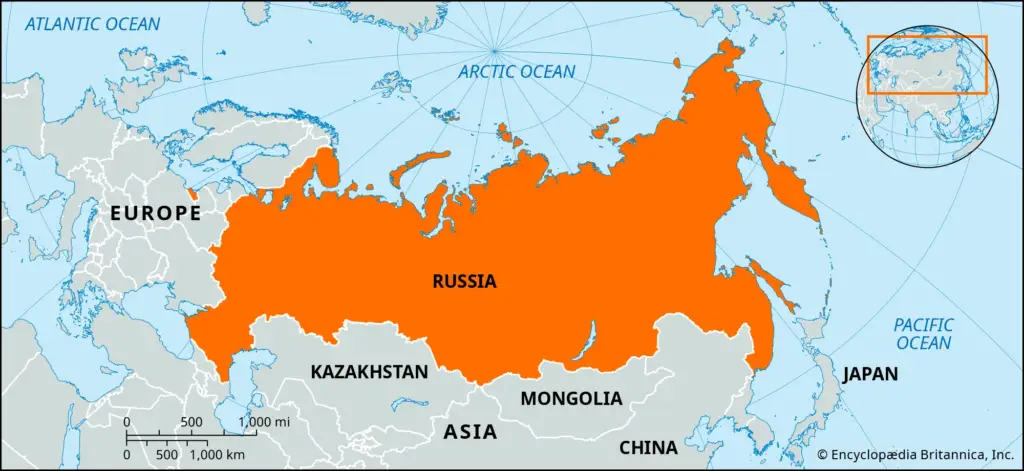
Russia has accelerated trade realignment toward Asia, the Middle East, and parts of the Global South. Energy exports to China and India remain critical revenue sources, even as pricing power is reduced.
This diversification has softened the impact of sanctions but has not fully replaced lost Western demand, leaving export revenues vulnerable to commodity price swings.
Political Messaging Reinforces Economic Narrative
President Vladimir Putin has framed economic resilience as a national achievement, portraying adaptation to sanctions as proof of sovereignty and strength.
This narrative plays a central role in maintaining public support, even as long-term economic prospects remain constrained by isolation and demographic challenges.
Russia’s Economic Outlook for 2026
Russia’s economy in 2026 is neither collapsing nor recovering. Instead, it is consolidating around a highly centralized, state-directed model designed to endure pressure rather than generate growth.
As geopolitical tensions persist, the Kremlin’s strategy emphasizes control, endurance, and political stability—accepting slower development as the cost of strategic autonomy.