

Sanctions Enter a New Phase After Political Upheaval
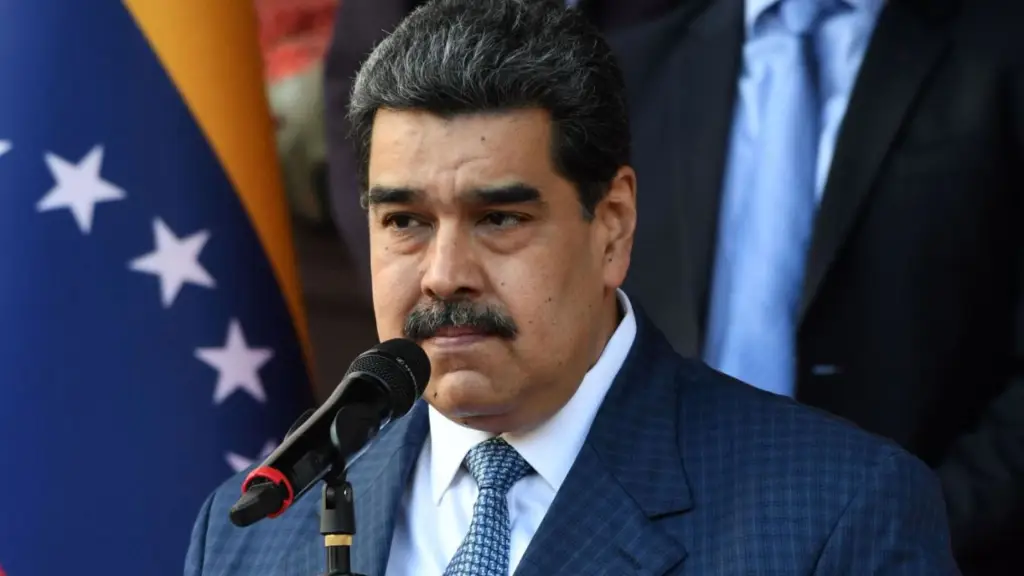
The U.S. capture of Venezuelan president Nicolás Maduro has pushed long-standing sanctions into a new and uncertain phase. While many restrictions were imposed years ago, their enforcement and potential recalibration now carry renewed urgency. For Venezuela’s fragile economy, the question is not whether sanctions matter, but which sectors will feel their impact most sharply.
Sanctions have historically targeted state institutions, energy exports, and financial access. With political authority in flux, both investors and civilians are watching closely to see whether pressure intensifies, loosens, or shifts direction altogether.
Oil Remains the Center of Economic Gravity
Venezuela’s oil sector has been the primary focus of U.S. sanctions, and it remains the backbone of the economy. State-owned oil company PDVSA has struggled for years under export limits, aging infrastructure, and restricted access to financing. Production has fallen far below historical levels, limiting government revenue and foreign currency inflows.
Any change in sanctions policy will first be felt in energy markets. Even modest adjustments could influence production, exports, and partnerships, but full recovery would require massive investment and long-term stability.
Financial Isolation and Currency Constraints
Sanctions have sharply reduced Venezuela’s access to the global financial system. Limits on correspondent banking, dollar transactions, and international lending have constrained both the government and private businesses. As a result, trade has become more expensive and complex, often relying on intermediaries and informal channels.
This financial isolation has contributed to chronic currency instability. While inflation has moderated from extreme levels, the bolívar remains fragile, and dollarization persists as a survival mechanism for households and firms.
Recommended Article: US Strike on Venezuela Puts Bitcoin in Focus as Oil…
Civilian Life Under Economic Pressure
Although sanctions are designed to target state actors, civilians inevitably bear indirect costs. Import restrictions, higher transaction costs, and supply disruptions affect food, medicine, and basic goods. Humanitarian exemptions exist, but implementation gaps often delay relief.
Over time, Venezuelans have adapted through informal economies, remittances, and alternative payment systems. However, prolonged uncertainty continues to erode purchasing power and long-term economic planning for ordinary citizens.
Emerging Workarounds and Parallel Systems
Years of sanctions have encouraged the development of parallel economic systems. Informal trade routes, third-party intermediaries, and digital payment tools have become increasingly important. These mechanisms help sustain commerce but also reduce transparency and efficiency.
Such adaptations can soften immediate shocks, yet they complicate any future reintegration into formal global markets. Reversing these patterns would require both policy clarity and institutional rebuilding.
The Role of International and Regional Actors
Sanctions dynamics are shaped not only by Washington but also by responses from other countries. Some governments and companies have cautiously explored limited engagement, while others remain wary of legal and reputational risk. Regional partners face their own tradeoffs between political alignment and economic opportunity.
This fragmented international environment means Venezuela’s recovery path is unlikely to be linear. Policy signals from multiple capitals will influence investment decisions and economic expectations.
An Uncertain Path Forward for the Economy
The future of Venezuela’s sanction-affected economy hinges on political outcomes and policy coordination. Easing restrictions could unlock limited growth, particularly in energy and trade, but without institutional reform, gains may be uneven. Conversely, tighter enforcement could deepen hardship while reinforcing informal systems.
For now, sanctions remain a defining constraint rather than a singular cause of Venezuela’s economic challenges. As 2026 unfolds, the balance between pressure, pragmatism, and reform will determine whether the economy stabilizes or continues to operate in survival mode.