A Rare Political Confrontation
Costa Rica has long been viewed as one of Latin America’s most stable democracies, defined by strong institutions and adherence to the rule of law. That reputation is now being tested by an unusual confrontation between the executive branch and the country’s electoral authorities.
At the center of the debate is whether the Legislative Assembly should lift President Rodrigo Chaves’s immunity, allowing prosecutors to pursue alleged violations of electoral law. The decision has drawn attention both domestically and internationally.
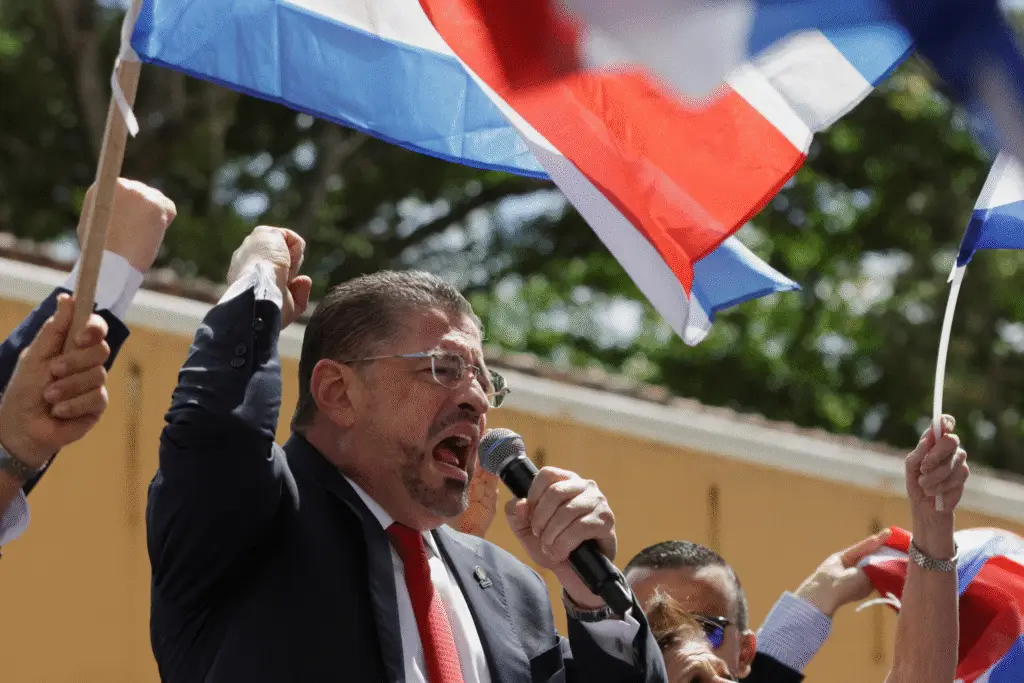
Understanding What Is at Stake
The vote concerns lifting presidential immunity, not removing the president from office. Under Costa Rican law, stripping immunity allows investigations and legal proceedings to move forward while the president remains in power.
This distinction is critical. The process does not constitute impeachment and does not halt the functioning of government. Courts, rather than legislators, would determine the legal outcome.
Why the Electoral Tribunal Acted
The Supreme Electoral Tribunal requested the immunity vote following complaints related to alleged political interference during the campaign period. While many complaints originated from opposition figures, the tribunal independently reviewed and accepted several cases as admissible.
The tribunal’s actions fall within its constitutional authority, though the timing and repetition of immunity votes have fueled controversy and confusion.
Recommended Article: Japan Maintains Unified Economic Outlook as BOJ Signals Possible Rate Hike
A Second Vote in One Year
Earlier in 2025, Costa Rica’s Supreme Court made a separate request to lift Chaves’s immunity in a corruption-related case. Lawmakers failed to reach the required supermajority, marking the first such vote involving a sitting president.
Now, a second immunity vote within the same year is unprecedented, heightening political tension and public scrutiny.
Why This Is Not an Institutional Coup
Some observers have characterized the situation as a constitutional crisis or even an attempted coup. Legal experts argue that such claims misunderstand Costa Rica’s system.
The president is term-limited and cannot seek reelection. Lifting immunity does not alter the electoral calendar or remove executive authority.
The Role of the Legislature
The Legislative Assembly must decide whether to authorize legal proceedings. A two-thirds majority is required, ensuring that such decisions reflect broad political consensus rather than partisan maneuvering.
Lawmakers face pressure to balance accountability with institutional stability, aware that their vote could set lasting precedents.
International Attention and Misinterpretation
Comments from foreign officials initially amplified concerns about democratic backsliding. However, further clarification from Costa Rican officials helped temper external reactions.
The episode highlights how constitutional processes can be misunderstood when viewed outside their legal and historical context.
What Happens if Immunity Is Lifted
If lawmakers approve the request, prosecutors would be authorized to pursue their case through normal judicial channels. The presidency would continue to function, and governance would remain intact.
Regardless of the outcome, Costa Rica is scheduled to inaugurate a new government in May 2026, ensuring continuity.
A Stress Test for Democracy
Rather than signaling collapse, the confrontation represents a stress test of Costa Rica’s checks and balances. Independent institutions are exercising authority within constitutional limits.
The outcome will shape how future cases involving executive accountability are handled, reinforcing or redefining institutional norms.