


Russia Launches Coordinated Attacks on Energy Infrastructure
Russia has carried out one of its largest coordinated assaults on Ukraine’s energy infrastructure in recent weeks, triggering widespread power outages. Ukrainian officials said drone and missile strikes targeted power plants, substations, and transmission networks across multiple regions.
The attacks underline Moscow’s continued reliance on infrastructure warfare as the conflict grinds on. By disrupting electricity and heating systems, Russia is amplifying pressure on civilians during the coldest part of the year.
Ukrenergo Reports Emergency Outages Nationwide
Ukraine’s state grid operator, Ukrenergo, confirmed emergency power cuts were imposed in most regions following the strikes. Restoration work has been delayed in some areas due to ongoing security risks.
Officials warned that repeated attacks are eroding the resilience of the grid despite extensive repairs carried out since 2022. Each new strike forces engineers to divert resources from long-term stabilization to urgent patchwork fixes.
Kyiv Accuses Moscow of Weaponizing Winter
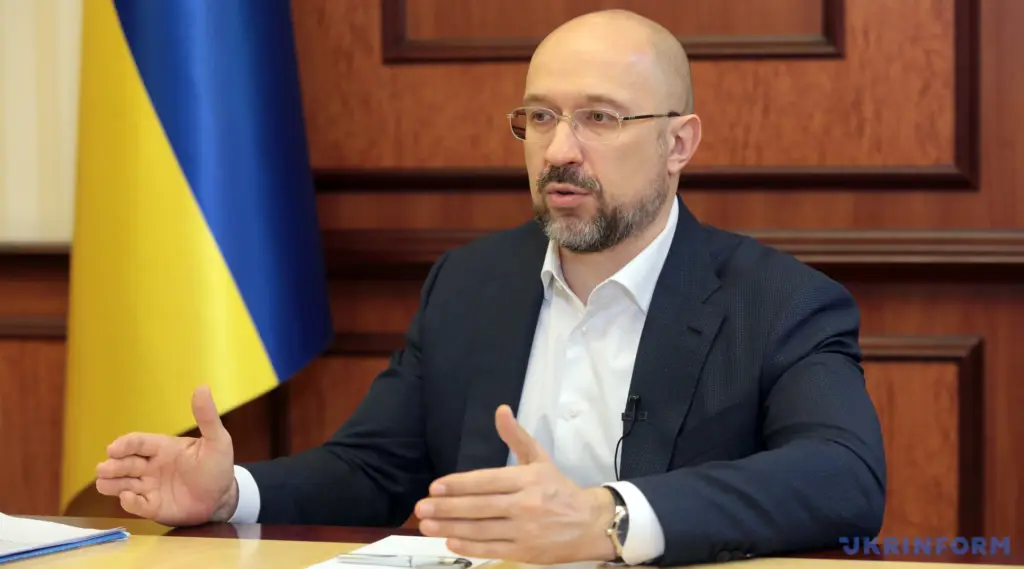
Ukrainian leaders argue the attacks are deliberately timed to maximize humanitarian impact. Prime Minister Denys Shmyhal said Russia is using freezing temperatures as leverage to weaken morale and strain public services.
Thousands of households have faced rolling blackouts and heating disruptions. In several cities, residents have sought shelter in metro stations and public buildings equipped with backup generators.
Recommended Article: Technology Is Helping Communities Adapt to a Hotter, Riskier World
Emergency Appeals to European Partners
Following damage to western power plants, Ukraine requested emergency electricity and technical assistance from neighboring countries, including Poland. Cross-border power flows have become a crucial lifeline during periods of intense bombardment.
European officials have warned that sustained attacks could destabilize regional energy markets. The interconnected nature of power systems means prolonged disruptions risk spilling beyond Ukraine’s borders.
Diplomacy Continues Amid Escalation
The strikes come despite ongoing US-brokered negotiations aimed at de-escalation. Talks have produced limited results, including prisoner exchanges, but no agreement on protecting critical infrastructure.
Ukrainian President Volodymyr Zelenskyy said Kyiv is open to a ceasefire covering energy targets if Russia commits to verifiable compliance. So far, Moscow has not agreed to such terms.
Russia and Ukraine Trade Accusations
Moscow has accused Ukraine of targeting Russian energy assets, including oil depots and fuel facilities. Ukrainian officials neither fully confirm nor deny these claims, arguing that defensive strikes are a response to Russia’s broader campaign.
The tit-for-tat nature of infrastructure attacks raises concerns among analysts that energy systems are becoming a permanent battlefield rather than a protected civilian domain.
Energy Warfare and the Road Ahead
As winter deepens, energy infrastructure remains one of Ukraine’s most vulnerable pressure points. Each strike not only disrupts daily life but complicates diplomatic efforts by hardening positions on both sides.
Without a credible framework to shield civilian infrastructure, analysts warn that the conflict risks sliding into a prolonged energy war, with consequences that extend far beyond the front lines.