

Tariffs at the Core of Trump’s Trade Doctrine
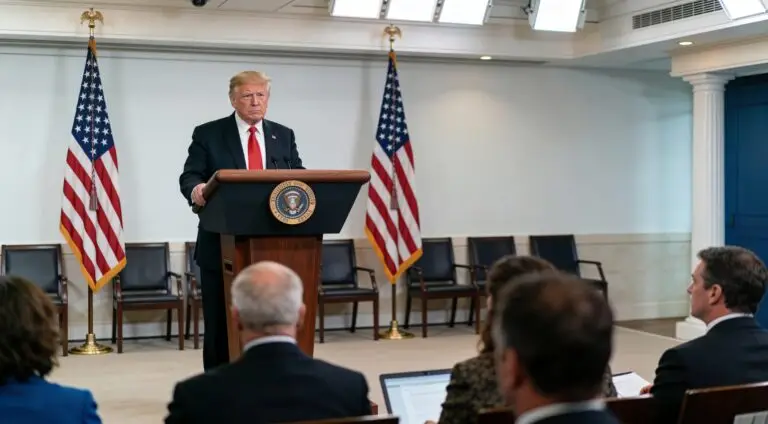
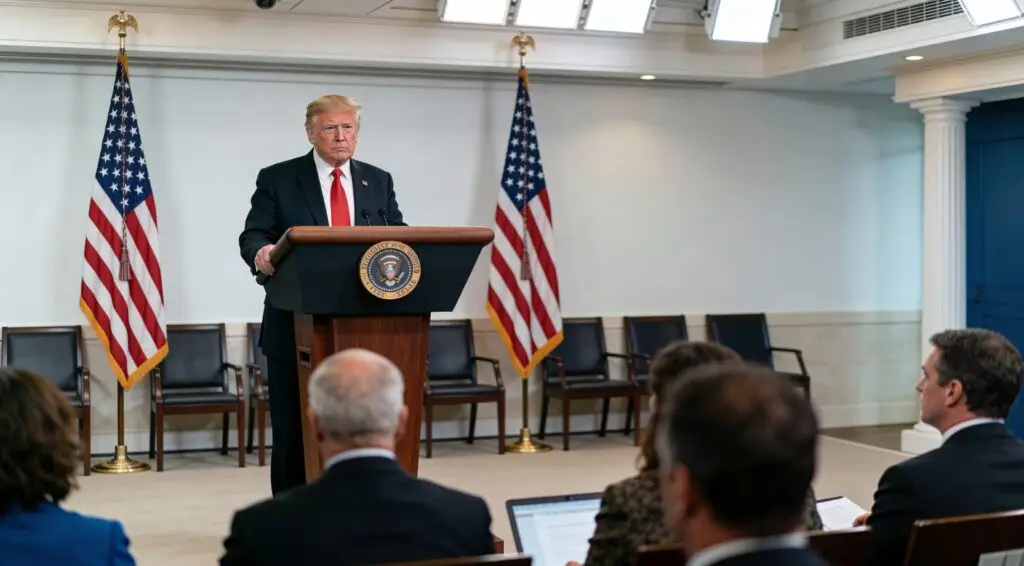
For decades, Donald Trump has treated tariffs as a central instrument of economic and foreign policy. From campaign speeches to executive actions, he has consistently argued that import duties protect American industries and rebalance trade relationships.
Tariffs became a defining feature of both of his presidencies. Whether directed at allies or strategic rivals, the policy tool has often been deployed rapidly and unpredictably.

Supreme Court Invalidates Emergency Tariffs
A landmark decision by the Supreme Court of the United States ruled that certain emergency tariffs imposed by the administration exceeded executive authority. The ruling effectively blocks the legal mechanism Trump relied on to impose sweeping trade levies without congressional approval.
While the decision does not eliminate tariffs entirely, it restricts the president’s ability to use emergency powers to enact broad, unilateral measures. This significantly alters the tactical flexibility of US trade policy.
Immediate Policy Response Signals Defiance
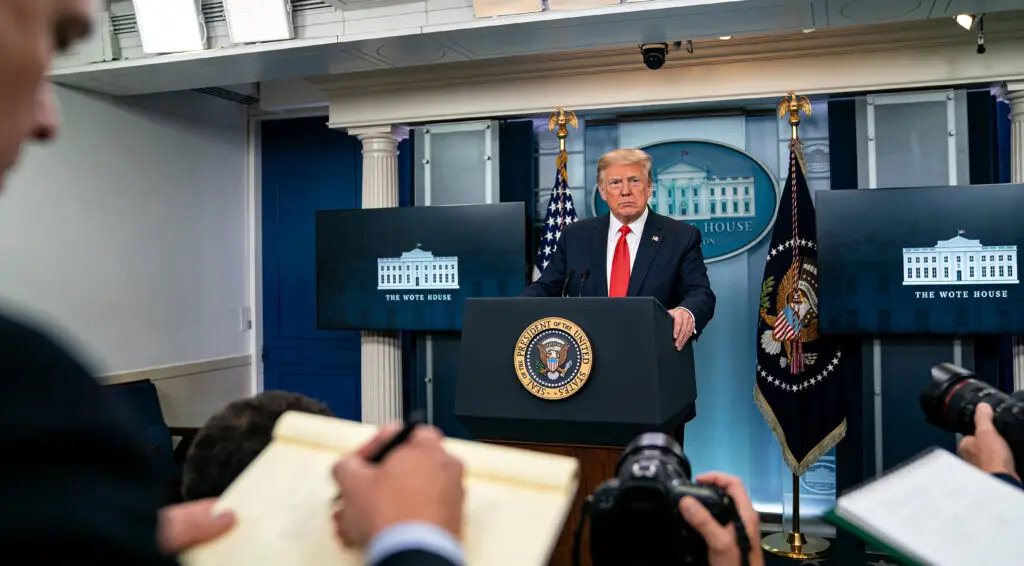
Following the ruling, Trump announced a new global tariff of 10%, later raised to 15%. The rapid move signaled that the administration has no intention of abandoning protectionist policies.
However, the new tariffs operate under different statutory authority and carry an expiration timeline. Without congressional backing, their longevity remains uncertain.
Section 301 Emerges as Alternative Weapon
Trade analysts note that Section 301 of the Trade Act of 1974 could become a primary instrument going forward. This provision allows the US to impose tariffs in response to perceived unfair trade practices.
Unlike emergency tariffs, Section 301 measures require formal investigation procedures. Nevertheless, they still grant the executive branch considerable discretion in targeting specific countries or industries.
Recommended Article: Trump Approval Slips Below 40% as State of the Union…
Implications for US Trade Partners
Major trading partners, including the European Union, India, and China, now face uncertainty over previously negotiated agreements. Some deals were structured around tariff reductions from emergency baseline rates that no longer legally exist.
Governments may hesitate to revoke agreements outright for fear of retaliation. However, renegotiation and delayed implementation could complicate diplomatic and economic planning in the months ahead.
China Talks Gain New Complexity
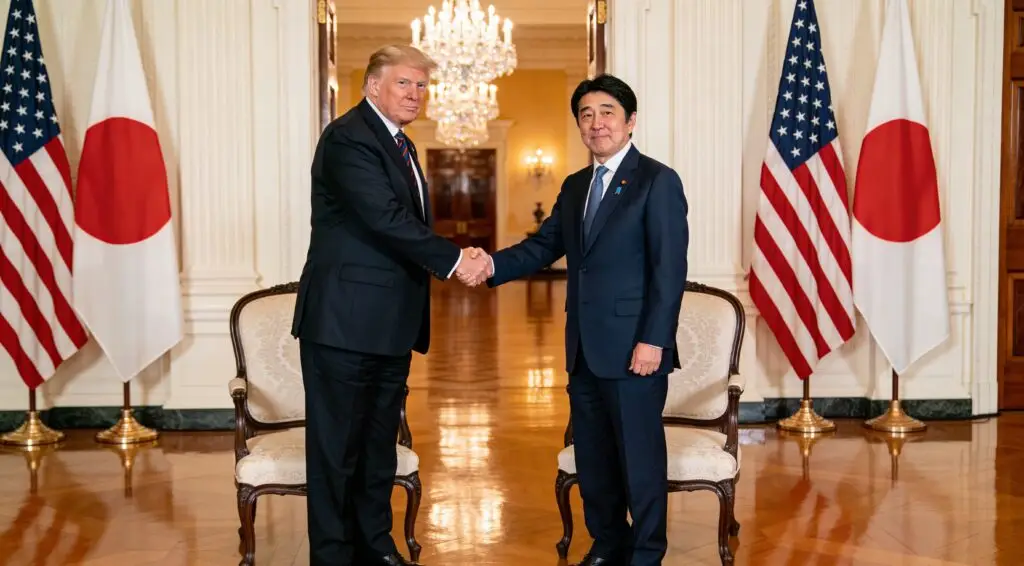
The ruling adds a new dynamic to planned high-level meetings between Washington and Beijing. Xi Jinping is expected to meet Trump soon, and trade remains a central agenda item.
Although the decision appears to weaken Trump’s leverage, analysts suggest China will avoid public celebration. Maintaining stable diplomatic optics may prove more valuable than highlighting US domestic legal setbacks.
Political and Economic Calculations
Domestic polling indicates that a majority of voters disapprove of the administration’s handling of tariffs. Inflation concerns and higher consumer prices have intensified scrutiny from both Democrats and some Republicans.
At the same time, tariffs remain popular among segments of Trump’s political base. The ruling could theoretically provide a political off-ramp, but recent statements suggest the president intends to maintain a confrontational trade posture.
Trade Policy at a Crossroads
The Supreme Court decision reshapes the mechanics of US tariff policy but does not eliminate protectionism as a strategic objective. Future trade actions are likely to involve more procedural steps and potential congressional engagement.
Whether the administration moderates its approach or adapts new legal pathways will become clearer in the coming months. For global markets, the ruling replaces unpredictability with procedural uncertainty rather than immediate stability.