


Unusually Candid Admissions From the West Wing
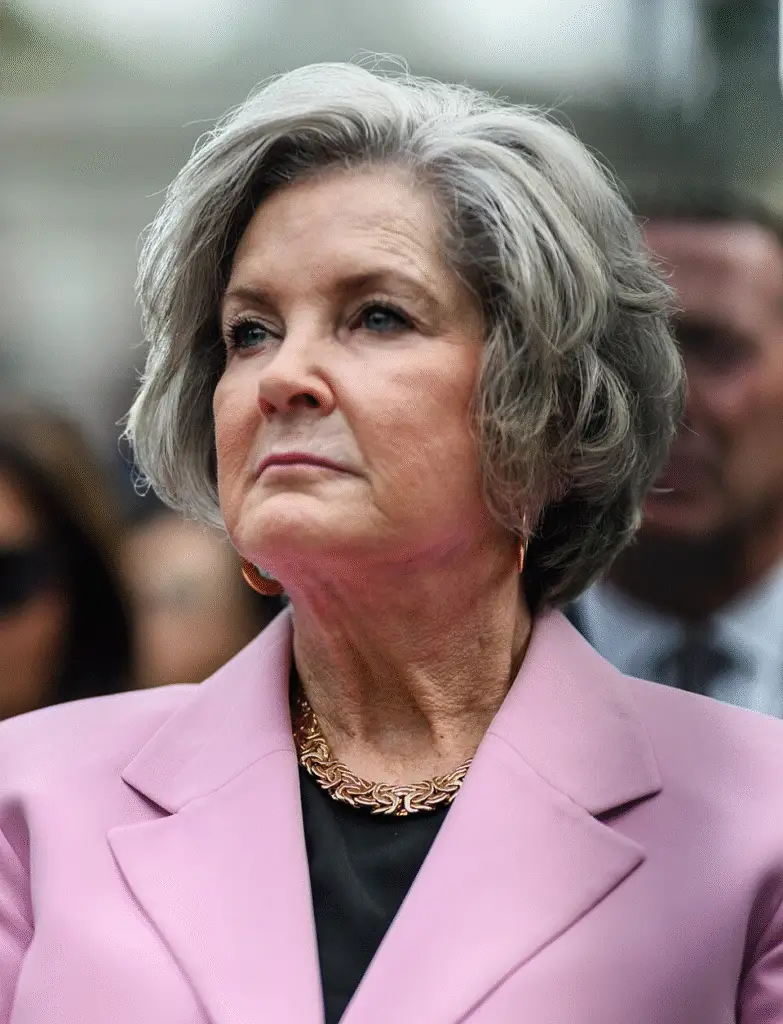
President Donald Trump’s chief of staff, Susie Wiles, has offered rare and unusually frank insights into the internal dynamics of the White House. In a series of interviews conducted over the first year of Trump’s second term, Wiles acknowledged that efforts to prosecute political adversaries were driven partly by personal grievances.
Her comments, published by Vanity Fair, reveal a level of candor rarely seen from a sitting White House official, particularly regarding motivations behind high-profile legal actions.
A Failed Attempt to Curb “Score Settling”
Wiles said she attempted to reach an informal understanding with Trump to limit what she described as “score settling” within the first 90 days of the administration. The goal was to prevent retribution from overshadowing the president’s broader policy agenda.
That effort ultimately failed. While Wiles insisted Trump is not consumed by revenge, she conceded that when opportunities arise, he is inclined to pursue them.
Prosecutions and Personal History Intertwined
Wiles confirmed that the administration’s push for criminal cases against certain political figures reflected both policy considerations and personal history. She acknowledged that some actions could reasonably be viewed as vindictive.
Among those targeted were New York Attorney General Letitia James and former FBI Director James Comey. Both cases were later dismissed, though the administration signaled it would continue pursuing legal avenues.
Sharp Assessments of Senior Figures
Throughout the interviews, Wiles offered strikingly blunt characterizations of senior officials. She described Trump as having “an alcoholic’s personality,” citing exaggerated confidence and a belief that limits do not apply to him.
She labeled Vice President JD Vance a long-time conspiracy theorist and questioned the sincerity of his political transformation. Other figures, including Elon Musk and Attorney General Pam Bondi, were also criticized for judgment and execution.
Recommended Article: Florida House Prepares for a Tighter Budget and Property Tax…
Epstein Files Stir Internal Friction
Wiles was particularly critical of how the Epstein files were initially handled. She said missteps fueled distrust among Trump’s core supporters and created unnecessary confusion.
She confirmed that Trump’s name appears in the documents but insisted there is no evidence of wrongdoing. She also directly contradicted Trump’s past claims about former President Bill Clinton’s involvement.
Managing a President Without Restraint
Unlike previous chiefs of staff who viewed their role as constraining presidential impulses, Wiles said her mission is to facilitate Trump’s objectives. While she sometimes disagrees with decisions, she ultimately aligns with the president once choices are made.
This approach, she suggested, helped create a more disciplined operation than Trump’s first term, even if chaos still surfaced in different forms.
Policy Disagreements Behind Closed Doors
Wiles described internal divisions over issues ranging from tariffs to immigration enforcement. She said she urged caution on deportations and opposed pardons for violent January 6 offenders, though Trump overruled her.
On tariffs, she acknowledged deeper regret, saying the economic consequences proved more painful than anticipated.
Power, Personality, and Political Risk
Wiles attributed her ability to work with Trump to her upbringing, describing familiarity with managing strong personalities. She said Trump’s confidence, while effective politically, complicates governance when paired with impulsive decision-making.
Her remarks offer a revealing portrait of how personal motivations, loyalty, and power intersect at the highest levels of government.
A Window Into a Defining Presidency
The interviews provide an unprecedented window into Trump’s second term, illustrating how personal grievances, strategic calculations, and institutional power coexist.
Whether these revelations alter public perception remains uncertain, but they underscore how deeply personality influences policy in modern American politics.