


US Strategy Reflects Shift Toward Unilateral Action
The United States has taken a more unilateral approach in its conflict with Iran. This marks a departure from previous coalition based military strategies.
Traditional allies were not fully consulted before military operations began. This created confusion and tension among partner nations.
The approach reflects a broader shift in foreign policy priorities. Strategic independence has become a defining feature of recent decisions.
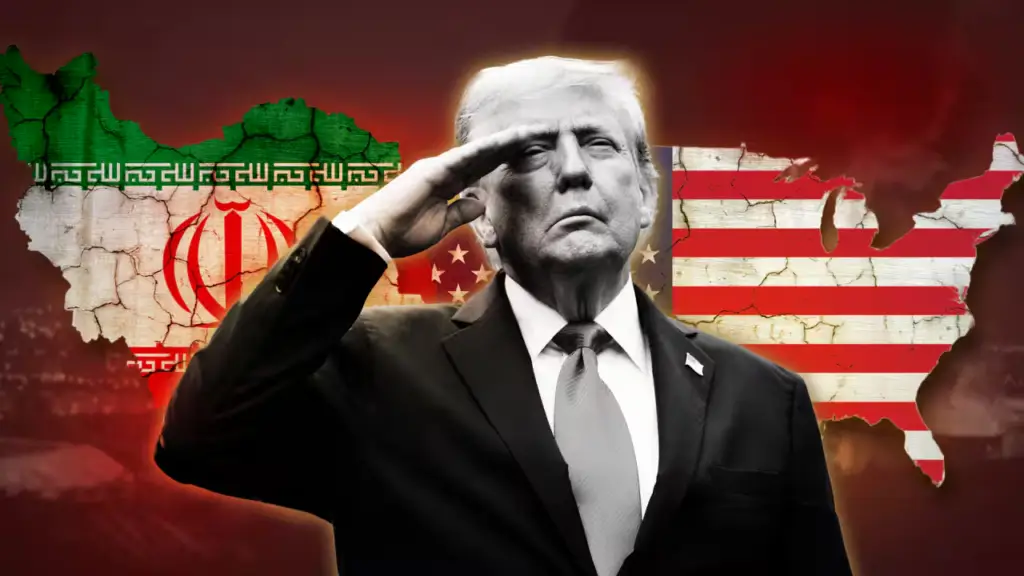
Allies Caught Off Guard By Sudden Military Action
Many allied countries were surprised by the rapid escalation of the conflict. Some officials were unaware of the timing of initial strikes.
This lack of coordination has strained diplomatic relationships. Trust between partners has been affected by these developments.
Governments have been forced to respond quickly to protect their citizens. Emergency measures have been implemented across multiple regions.
Conflict Sparks Regional Instability And Economic Pressure
The war has triggered instability across the Middle East and beyond. Missile and drone attacks have affected several neighboring countries.
Energy infrastructure disruptions have increased global economic pressure. Rising oil prices have impacted both developed and emerging economies.
The conflict has also created concerns about supply chain disruptions. These effects extend far beyond the immediate region.
European Nations Struggle To Balance Interests
European countries face challenges in responding to the conflict. They must balance support for allies with adherence to international law.
Some governments have criticized the methods used in military operations. Others have focused on protecting national interests.
This divided response highlights differing priorities within the region. It also reflects broader tensions in international relations.
Gulf States Face Direct Security Threats
Countries in the Gulf region have experienced direct impacts from the conflict. Missile and drone attacks have targeted infrastructure and civilian areas.
These developments have raised concerns about regional security. Governments are increasing defense measures to protect critical assets.
The situation has also affected economic activity in key cities. Aviation and energy sectors have been particularly impacted.
Iran Response Highlights Limits Of Military Planning
Iran’s retaliatory actions have revealed challenges in strategic planning. The scale and targets of attacks exceeded initial expectations.
This has forced adjustments in military and political strategies. Leaders are reassessing the risks associated with ongoing operations.
The response underscores the unpredictability of modern conflicts. It also highlights the complexity of regional dynamics.
Long Term Impact May Redefine Global Order
The conflict’s long-term consequences could reshape global alliances and power structures. Countries are reassessing their relationships and strategic positions.
Some nations may seek closer ties with emerging powers. Others may strengthen regional cooperation.
The evolving situation will influence future geopolitical decisions. Its impact is likely to be felt for years to come.