Energy Policy Returns to the Center of US Politics
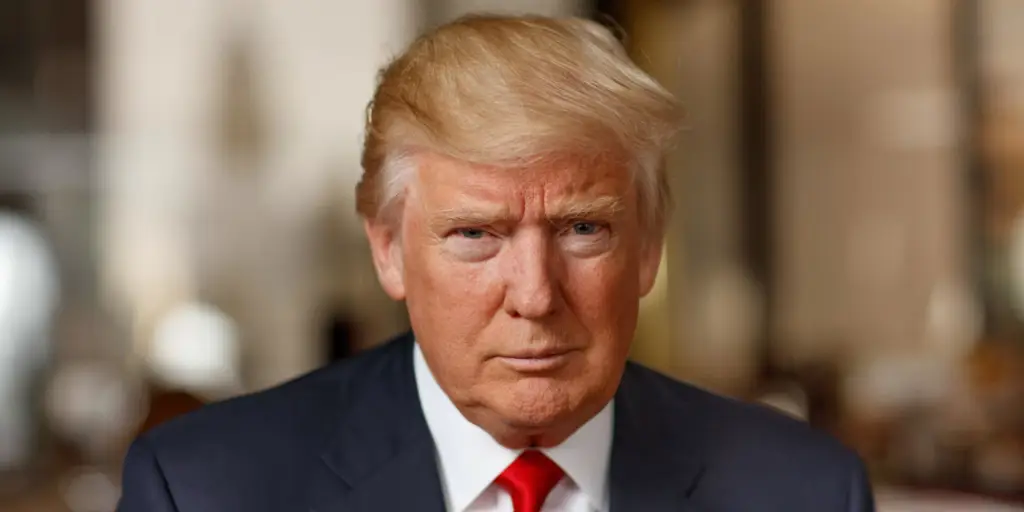
Energy has surged back to the forefront of American political debate following the Trump administration’s actions in Venezuela. President Donald Trump has framed energy security as a strategic priority, linking foreign policy decisions directly to domestic economic strength. The administration’s messaging emphasizes control over supply, price stability, and geopolitical leverage.
This shift marks a return to energy dominance as a defining political theme. It also places oil and gas policy alongside inflation, jobs, and national security in shaping voter perceptions.
Venezuela Action Sparks Global Market Attention
The US intervention in Venezuela has drawn intense scrutiny from markets and policymakers alike. Venezuela’s vast energy reserves have long been constrained by sanctions, mismanagement, and underinvestment. The removal of President Nicolás Maduro has reopened questions about how those resources may be managed and who stands to benefit.
Even without immediate changes to production, the prospect of future supply shifts has influenced oil price expectations. Markets are weighing whether increased access could stabilize global energy flows or introduce new volatility.
Domestic Oil Producers See Renewed Opportunity
Trump has used the moment to court US oil producers, presenting expanded extraction as both an economic and strategic necessity. The administration argues that greater domestic output can insulate American consumers from global shocks while reinforcing US influence over energy markets.
Energy executives have responded cautiously but positively, recognizing potential opportunities alongside regulatory and investment uncertainties. Any significant expansion would require time, capital, and policy clarity to materialize.
Political Divides Deepen Around Energy Strategy
The renewed energy push has intensified partisan divides. Supporters see expanded oil production as a pragmatic response to geopolitical instability and inflation pressures. Critics argue it undermines climate commitments and risks locking the US into long-term fossil fuel dependence.
These disagreements reflect broader tensions between economic pragmatism and environmental priorities. As energy becomes more politicized, compromise grows increasingly difficult.
Recommended Article: Elon Musk Returns to Politics, Reviving a Risky Alliance With Trump
Implications for Inflation and the US Economy
Energy prices remain a key driver of inflation, making policy decisions especially sensitive. The administration contends that increased supply will help moderate prices for fuel, transportation, and consumer goods. If successful, lower energy costs could ease pressure on households and businesses.
However, economists caution that global energy markets respond to multiple forces beyond US control. Geopolitical risks, demand shifts, and investment cycles all shape price outcomes.
Energy Policy as a Campaign Issue
As the 2026 political cycle intensifies, energy is emerging as a central campaign issue. Trump’s framing positions energy dominance as synonymous with economic strength and national sovereignty. Opponents are likely to counter with arguments focused on sustainability, climate resilience, and long-term competitiveness.
The debate is resonating with voters concerned about cost of living pressures and global instability. Energy policy may prove as influential as traditional economic indicators in shaping electoral dynamics.
A Redefined Role for Energy in US Strategy
The administration’s actions suggest a broader redefinition of energy’s role in US strategy. Rather than treating oil and gas as declining industries, Trump has positioned them as tools of geopolitical leverage and domestic stability.
Whether this approach delivers lasting benefits remains uncertain. What is clear is that energy has once again become a central pillar of US politics, with implications extending well beyond fuel prices into foreign policy, economic planning, and the global balance of power.