Conflict Begins With Rapid Escalation
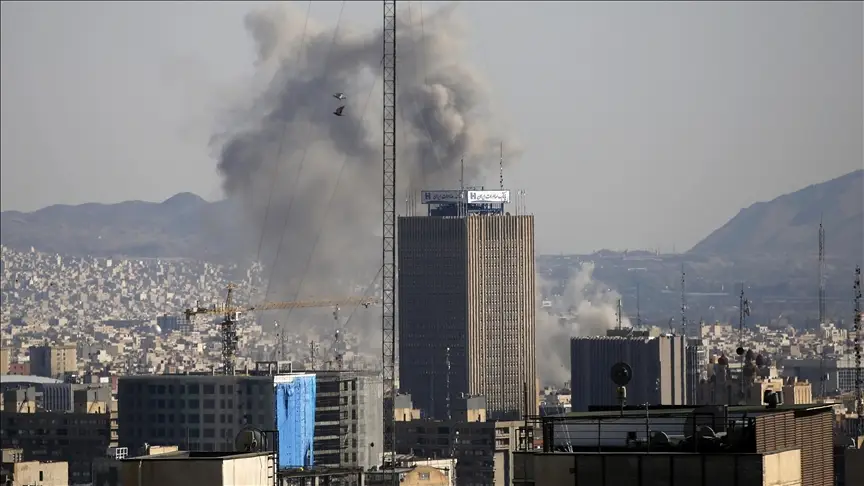
The United States and Israel launched coordinated strikes on Iran, triggering immediate escalation across the region. Early military actions demonstrated significant tactical effectiveness but also intensified geopolitical tensions rapidly.
Iran responded with retaliatory strikes, widening the scope of the conflict and increasing regional instability. The situation quickly evolved into a broader confrontation with uncertain long-term outcomes.
Lack of Clear Victory Definition Raises Concerns
One of the major challenges facing the conflict is the absence of clearly defined objectives and success criteria. Leadership statements have been inconsistent, creating confusion about the intended end goals of the war.
This lack of clarity makes it difficult to assess progress or determine when the conflict might conclude. It also raises concerns about prolonged engagement without a concrete strategic direction.
Multiple Possible Endgame Scenarios Identified
Analysts suggest several possible ways the conflict could end, though each presents significant challenges. These include regime collapse, decisive military victory, or negotiated agreements on nuclear issues.
None of these scenarios appear straightforward, highlighting the complexity of achieving a favorable outcome. Each path involves substantial risks and uncertain probabilities of success.
Domestic and Global Pressures Increase
The conflict has created growing pressure both domestically within the United States and internationally among allies. Public support remains limited, while global markets show signs of instability and concern.
Regional partners are also reacting to escalating tensions, adding further complexity to the geopolitical landscape. These pressures may influence future strategic decisions and policy adjustments.
Iran’s Response Shapes Conflict Trajectory
Iran’s actions will play a critical role in determining how the conflict evolves over time. The country’s leadership may choose between escalation, resistance, or potential negotiation strategies.
The outcome will depend on internal dynamics, leadership decisions, and external pressures from global powers. This uncertainty adds to the difficulty of predicting the conflict’s future direction.
Nuclear Issue Remains Central Challenge
The dispute over Iran’s nuclear program remains a central issue driving the conflict and shaping its potential resolution. Any agreement would require significant concessions and complex negotiations between involved parties.
Achieving a lasting solution will be technically and politically challenging given current tensions. The nuclear question continues to complicate diplomatic efforts and prolong uncertainty.
Uncertain Timeline and Long-Term Impact
The duration of the conflict remains unclear, with timelines shifting based on evolving circumstances and strategic decisions. This uncertainty affects both political planning and economic stability globally.
Long-term consequences may include sustained regional instability and weakened prospects for diplomatic engagement. The conflict’s impact will likely extend beyond immediate military outcomes.