US Missile Systems Redeployed From South Korea
The United States has begun redeploying missile defense systems from South Korea to support operations related to the Iran conflict. This includes Patriot batteries and components of the THAAD missile defense system.
While the move is strategic for Middle East operations, it has raised concerns in Asia. The redeployment signals shifting priorities in US military resource allocation.
South Korea was unable to prevent the withdrawal, highlighting limits in influence over US defense decisions. This development has implications for regional security dynamics.
Philippines Questions US Defense Commitments
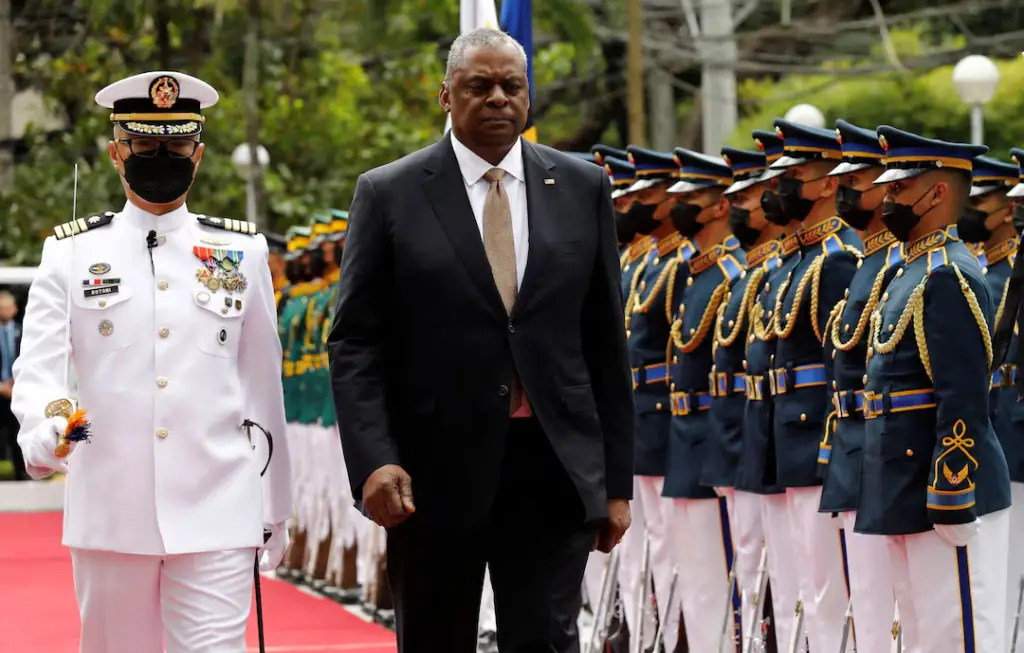
The Philippines is now reassessing its security relationship with the United States following the redeployment. Officials are questioning how stable US military commitments are in the region.
Although the withdrawal does not directly affect US forces stationed in the Philippines, it raises broader concerns. The situation highlights uncertainty in long-term defense arrangements.
Manila must now consider whether it remains a strategic partner or a logistical support base. This distinction is critical for national security planning.
Regional Allies Reevaluate Strategic Dependence
The shift in military assets has prompted regional allies to reconsider their reliance on US security guarantees. Countries in the Asia-Pacific region are closely monitoring developments.
Strategic dependence on a single partner can create vulnerabilities during global conflicts. Nations may begin exploring alternative defense strategies or partnerships.
This reassessment could lead to changes in regional alliances. It may also influence future defense spending and military planning.
Geopolitical Tensions Extend Beyond Middle East
Although the redeployment is linked to the Iran conflict, its effects extend far beyond the Middle East. Military decisions in one region can impact security perceptions globally.
Asia-Pacific nations are particularly sensitive to shifts in US military posture. The region faces its own geopolitical challenges, including tensions in the South China Sea.
These overlapping concerns create a complex security environment. Countries must balance regional priorities with global developments.
Strategic Position Of Philippines Gains Importance
The Philippines holds a strategic location in the Asia-Pacific, making it an important partner for the United States. Its proximity to key maritime routes enhances its geopolitical significance.
This position increases the importance of maintaining strong defense ties. However, recent developments have introduced uncertainty into these relationships.
The Philippines may need to strengthen its own defense capabilities. This could include increased military spending and modernization efforts.
Defense Agreements Face Renewed Scrutiny
Existing defense agreements between the United States and the Philippines are now under closer examination. These agreements define the scope of military cooperation and support.
Uncertainty about US commitments may lead to calls for clearer terms and stronger guarantees. Policymakers may seek to reinforce these agreements.
Transparency and consistency in defense policy are essential for maintaining trust. Both sides must address concerns to ensure continued cooperation.
Future Security Strategy Remains Unclear
The long-term implications of the US military shift are still uncertain. The Philippines must navigate a changing geopolitical landscape with evolving risks.
Strategic planning will require balancing alliances with national interests. Flexibility and adaptability will be key in responding to future developments.
As global conflicts continue to influence regional dynamics, security strategies will need to evolve. The decisions made today will shape the Philippines’ defense posture for years to come.