Houthis Align With Iran Amid Regional Tensions
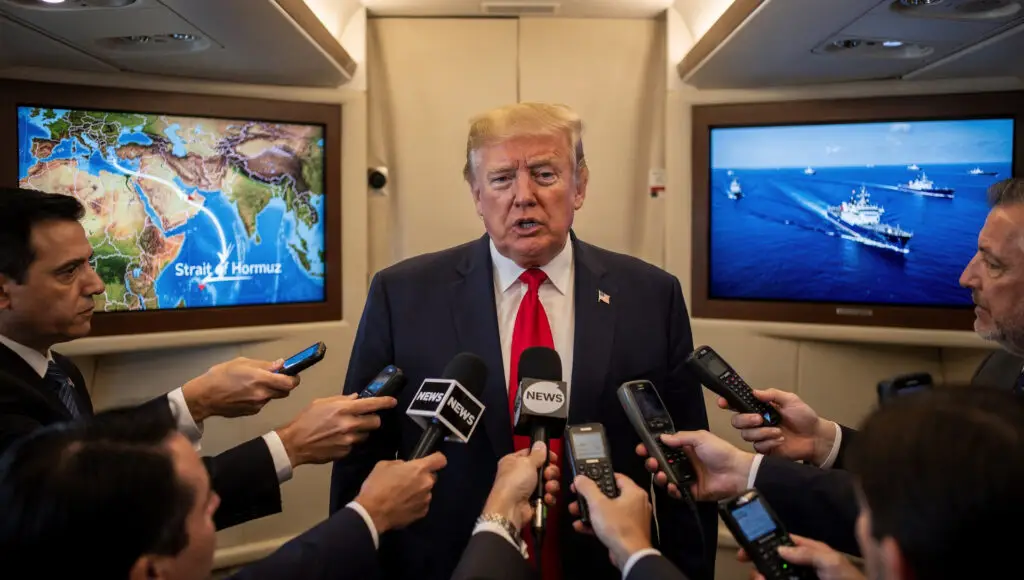
Yemen’s Houthi movement has signaled strong support for Iran as tensions between Tehran and Washington continue rising. The group has publicly warned that a direct United States attack on Iran could trigger wider regional confrontation.
Statements from Houthi political leaders suggest they are prepared to participate if a broader conflict emerges. Analysts say these remarks demonstrate the group’s alignment with Iran and its network of regional allies.
The Houthis are considered part of Iran’s so-called “Axis of Resistance,” a loose coalition of armed groups across the Middle East. This alliance includes organizations such as Hezbollah in Lebanon and militias operating in Iraq.
Yemen Conflict Created a Deeply Fragmented State
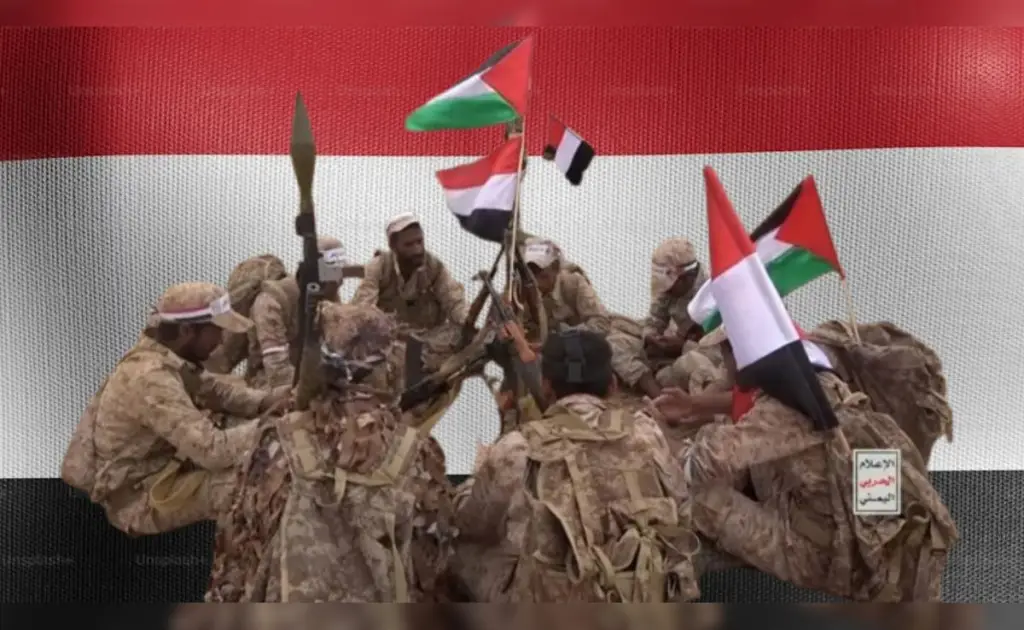
Yemen has already endured years of devastating conflict that fractured the country’s political and territorial structure. Fighting escalated in 2014 when the Houthis seized the capital, Sanaa, forcing the internationally recognized government to flee.
In 2015, a Saudi-led coalition intervened militarily to support the Yemeni government. The resulting war caused enormous humanitarian damage and left more than 150,000 people dead, according to United Nations estimates.
Although a fragile truce reduced large-scale fighting in 2022, Yemen remains divided between multiple competing authorities. The Houthis control most of the north and west, while rival factions administer the south and east.
Signs of Military Preparation Inside Houthi Territory
Recent developments suggest that Houthi forces are preparing for the possibility of broader conflict. Observers report increased internal security measures and heightened surveillance in areas under the group’s control.
Researchers say the Houthis have been redistributing fighters and repositioning missile launchers across strategic locations. Military activity has also increased near maritime routes and coastal areas along the Red Sea.
These moves indicate that the group may be preparing both for potential participation in regional fighting and for possible retaliatory attacks. Analysts believe the Houthis are attempting to strengthen defensive and offensive capabilities simultaneously.
Threats to Commercial Shipping Routes
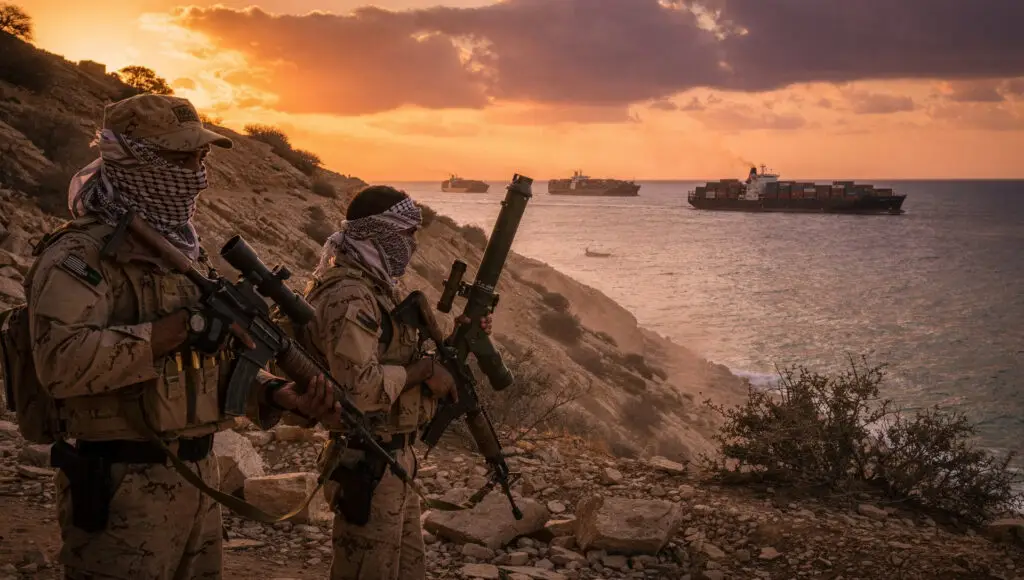
Houthi leaders have recently warned that commercial shipping could become a target if war expands across the region. The group previously attacked vessels in the Red Sea and Gulf of Aden during earlier stages of the Gaza conflict.
Those operations disrupted international shipping and forced several companies to reroute cargo around Africa. The resulting delays increased transportation costs and created additional pressure on global supply chains.
Renewed attacks on maritime traffic could again threaten one of the world’s most important trade corridors. Shipping through the Red Sea and nearby waterways is essential for global energy and commodity markets.
Potential Targets Include US Bases and Israeli Cities
Military analysts believe the Houthis could target several types of strategic assets during a regional conflict. Possible targets include United States military installations located in Gulf countries.
Some experts also warn that attacks could be directed toward maritime vessels or infrastructure supporting international trade. The group has previously demonstrated the ability to strike targets hundreds of kilometers away.
Another potential scenario involves missile attacks aimed at Israeli cities in response to strikes on Iran. Analysts say such actions would likely aim to divert military pressure away from Tehran.
Houthis Maintain Growing Missile and Drone Arsenal
Despite multiple rounds of United States and Israeli airstrikes, the Houthis retain significant long-range capabilities. Their arsenal includes drones and missiles capable of striking distant military and commercial targets.
Researchers note that the group has gradually developed an increasingly sophisticated weapons program. Many of these systems are assembled using imported components that arrive through complex smuggling networks.
Over the past decade, the Houthis have transformed from a localized insurgent force into a regional military actor. Their expanding capabilities now allow them to influence geopolitical tensions far beyond Yemen’s borders.
Humanitarian Concerns Intensify for Yemeni Civilians
For Yemen’s civilian population, the possibility of another regional war is deeply alarming. Years of conflict have already left millions struggling with hunger, displacement, and economic collapse.
Many residents fear that renewed fighting could worsen an already severe humanitarian crisis. Food shortages and unemployment remain widespread across large parts of the country.
Human rights organizations warn that escalating regional tensions may also reduce international attention on Yemen’s domestic crisis. In past conflicts, analysts say armed groups sometimes intensified abuses when global scrutiny shifted elsewhere.