Dr. Sarah Jenkins, an enterprise technology expert specializing in platform governance and digital infrastructure, describes Apple’s decision as a reflection of how modern platforms must integrate policy enforcement directly into their system architecture. Drawing from her experience in enterprise software and regulatory environments, Jenkins explains that digital ecosystems are increasingly shaped by policy constraints, requiring companies to balance data visibility, user rights, and real-world safety considerations within their platforms.
Apple Cites Operational Safety in Taking Down ICE Apps
Apple has removed several applications from its App Store that allowed users to report sightings of U.S. Immigration and Customs Enforcement (ICE) officers, citing safety concerns raised by law enforcement authorities. According to statements from the U.S. Department of Justice, such applications may introduce operational risks by enabling real-time tracking of personnel.
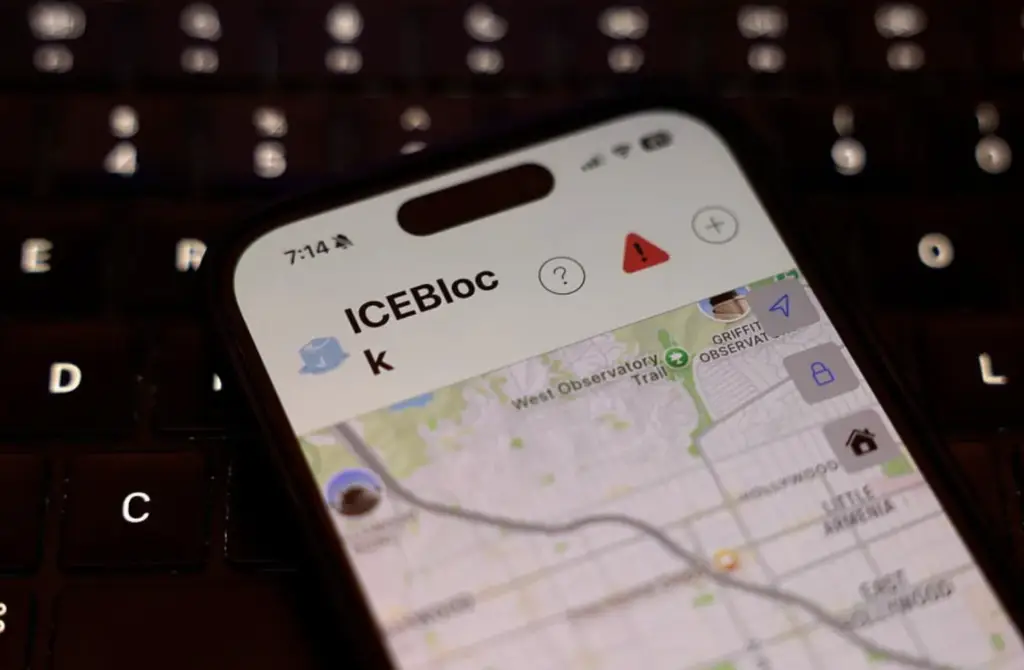
Image source: Yahoo
Why were the ICE tracking apps removed?
Apple stated that the apps posed potential safety risks to law enforcement personnel. The company removed applications such as ICEBlock after critics raised concerns that people could use these tools to track officer movements in real time.
According to statements from U.S. officials, including the Attorney General, the apps were viewed as:
- Enabling potential targeting of law enforcement personnel
- Increasing operational risks during enforcement actions
- Contributing to possible security vulnerabilities
Developers have challenged this position, arguing that these tools function similarly to crowd-sourced reporting platforms used for traffic or hazard alerts.
What apps were affected by the decision?
Multiple applications were removed or restricted across major platforms.
Affected apps include:
- ICEBlock (App Store)
- ICE Immigration Alerts (App Store and Google Play)
- Coqui (Google Play)
While existing users may retain access depending on device settings, the company has restricted new downloads, limiting further distribution. Google also confirmed removals for policy violations, though it has not disclosed detailed reasoning for each case.
Are US tech firms balancing security and free speech?
The removals highlight the broader challenge facing U.S. technology companies operating at the intersection of public safety and digital rights.
For the domestic market, key implications include:
- Increased scrutiny of platform responsibility in public safety contexts
- Growing influence of government agencies in content moderation decisions
- Legal ambiguity surrounding First Amendment protections in digital platforms
Platform operators such as Apple and Google must navigate a complex environment where user-generated content intersects with regulatory expectations and national security considerations.
What legal and ethical questions are being raised?
The decision has sparked debate over the limits of free speech and platform accountability. Developers argue that user-generated reporting tools may fall within protected speech, particularly when framed as public information sharing.
However, authorities maintain that such applications could:
- Compromise active law enforcement operations
- Increase risks to personnel during enforcement activities
This tension reflects broader challenges in defining acceptable digital conduct within privately operated platforms subject to public policy pressures.
How are regulators and agencies responding?
Federal agencies have taken a firm stance on the issue. A spokesperson for the Department of Homeland Security indicated that tracking applications may pose risks to officers engaged in enforcement operations.
Additionally, the involvement of the Federal Bureau of Investigation underscores the seriousness of concerns surrounding real-time location tracking technologies. Authorities have increasingly emphasized the need to assess how digital tools may impact operational security.
What risks do tech platforms face?
The incident highlights several operational and regulatory risks for platform operators.
Key considerations include:
- Regulatory pressure from government agencies
- Legal exposure related to free speech protections
- Reputational impact tied to moderation decisions
- Policy uncertainty due to evolving standards
Balancing these risks with user rights and safety obligations remains a central challenge for global technology platforms.
Platform Governance and Policy Pressure
| Factor | Current Situation | Impact |
|---|---|---|
| App Availability | Restricted | Reduced access |
| Legal Debate | Ongoing | High uncertainty |
| Government Pressure | Elevated | Strong influence |
| Platform Risk | Increasing | Regulatory scrutiny |
| User Impact | Limited downloads | Mixed response |
App Store Policy Spotlights Public Policy and Tech Debate
Apple’s removal of ICE tracking applications illustrates the growing intersection between technology governance and public policy. While the decision addresses safety concerns raised by authorities, it also highlights unresolved questions about transparency, digital rights, and the role of private platforms in moderating access to information.
As regulatory expectations continue to evolve, platform operators will face increasing pressure to embed governance mechanisms directly into their systems. The outcome of these debates may shape future standards for app distribution, content moderation, and regulatory oversight across the global technology sector.