Technology Innovation Slows but Becomes More Strategic
Technology innovation in early 2026 continues advancing, but at a noticeably more deliberate pace. After years of rapid expansion, companies and governments now emphasize durability, security, and long-term value over speed.
This shift reflects mounting constraints around energy availability, regulation, and skilled labor. Analysts describe the moment as a transition from growth-at-all-costs to disciplined innovation, according to a recent industry analysis.

Semiconductors Remain the Backbone of Global Competition
Semiconductors continue shaping the global technology landscape more than any other component. Chips underpin artificial intelligence, defense systems, consumer electronics, and industrial automation.
Governments increasingly treat semiconductor supply chains as strategic assets rather than commercial goods. Investment in domestic production has accelerated worldwide, according to a manufacturing sector report.
Data Centers Face Energy and Infrastructure Limits
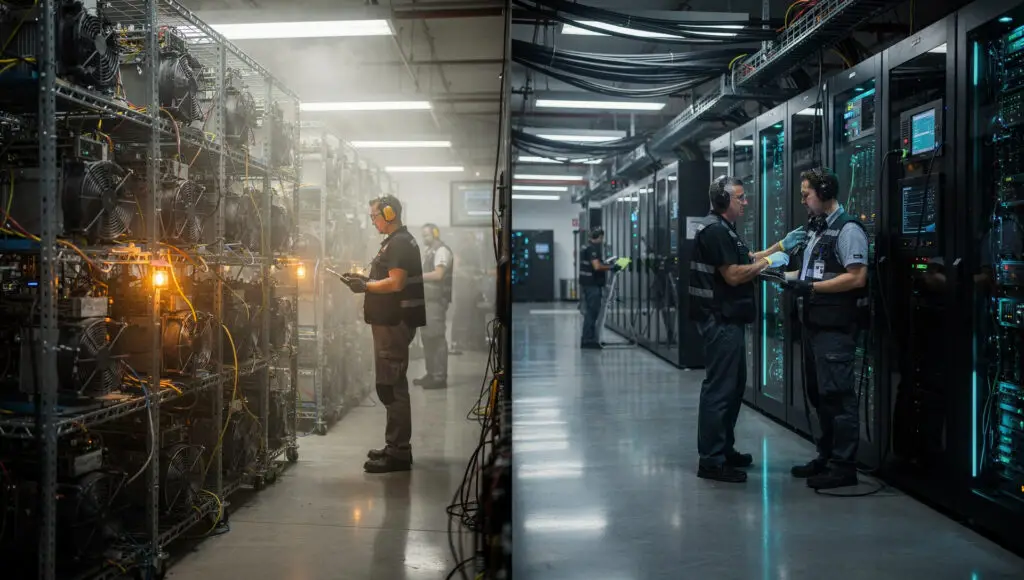
The expansion of cloud computing and AI has pushed data center demand to unprecedented levels. Energy consumption, water usage, and grid capacity now limit where and how facilities can operate.
Utilities and regulators struggle to keep pace with demand. As a result, infrastructure planning has become a central issue for technology deployment, highlighted in recent infrastructure coverage.
Recommended Article: Why Most Companies Are Still Not Getting Productivity From AI
Cybersecurity Risks Intensify Across Industries
Cybersecurity threats have grown more complex and frequent as digital systems expand. Ransomware, supply-chain attacks, and AI-powered intrusions challenge both governments and private firms.
Organizations increasingly view cybersecurity as a core operational risk rather than a technical issue. Board-level oversight has become standard practice, according to a cybersecurity brief.
Consumer Technology Enters a Mature Phase
Consumer technology markets show clear signs of maturity in 2026. Smartphone and personal device sales remain stable but lack the explosive growth of earlier cycles.
Manufacturers now focus on ecosystem integration, software services, and incremental improvements. This evolution reflects changing consumer expectations, based on recent market data.
Emerging Technologies Advance Incrementally
Emerging technologies such as quantum computing, advanced robotics, and next-generation networking continue progressing steadily. However, breakthroughs remain gradual rather than transformative.
Investors and researchers now temper expectations, emphasizing long-term development paths. Experts suggest incremental gains may prove more valuable than sudden disruption, according to scientific research.
Sustainability Becomes a Competitive Requirement
Sustainability considerations increasingly shape technology investment decisions. Energy efficiency, emissions reduction, and circular design now influence product development.
Technology firms face pressure from regulators, investors, and customers to demonstrate environmental responsibility. Green innovation has shifted from branding to necessity, according to environmental commentary.
Technology’s Outlook for the Rest of 2026
Looking ahead, technology’s trajectory appears defined by constraint as much as creativity. Innovation continues, but within tighter operational and regulatory boundaries.
This environment rewards execution, resilience, and coordination over speculation. Industry leaders argue the next phase of technology will favor those who adapt fastest, a view echoed in recent sector commentary.