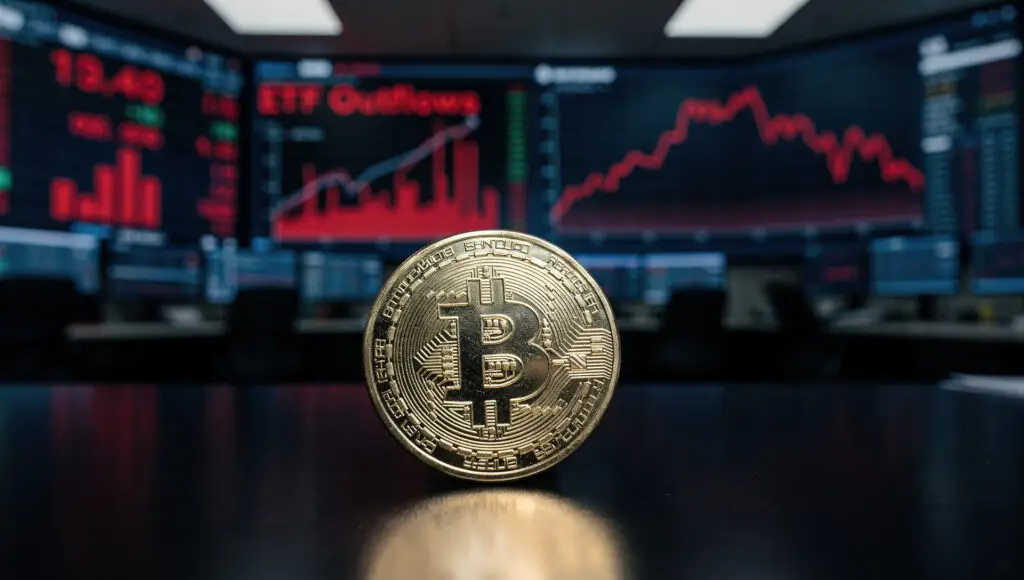


Bitcoin Recovers After Weekend Selloff
Bitcoin experienced a sharp decline over the weekend before stabilizing as markets reacted to geopolitical tensions. Prices briefly dropped near sixty-three thousand before recovering toward higher levels.
This rebound suggests that investors are reassessing risk exposure rather than exiting the market entirely. Short-term volatility remains high as traders respond to rapidly changing global developments.

Investors Shift Toward Safe-Haven Assets
During the initial shock, investors moved capital into traditional safe-haven assets like gold and the US dollar. This shift temporarily reduced demand for cryptocurrencies and other risk-sensitive investments.
Such behavior is common during geopolitical crises when uncertainty drives defensive positioning among market participants. Bitcoin’s recovery indicates that this shift may be temporary rather than structural.
Crypto Market Value Sees Significant Decline
The broader cryptocurrency market has lost significant value compared to previous levels earlier this year. Total market capitalization has declined by hundreds of billions within a relatively short timeframe.
This contraction reflects broader investor caution and reduced appetite for speculative assets amid global uncertainty. Despite this, core assets like Bitcoin continue to show resilience compared to smaller tokens.
Oil Prices and Inflation Drive Market Concerns
The conflict has disrupted key oil supply routes, pushing energy prices higher across global markets. Rising oil costs contribute to inflation, affecting both developed and emerging economies significantly.
Higher inflation may reduce purchasing power and limit investment in risk assets like cryptocurrencies. This creates a challenging environment for sustained crypto market growth in the short term.
Ethereum Follows Bitcoin Recovery Trend
Ethereum has also shown signs of recovery following the initial market downturn caused by geopolitical tensions. Prices have rebounded slightly, reflecting similar investor sentiment across major cryptocurrencies.
However, both assets remain under pressure as macroeconomic conditions continue influencing overall market direction. Their performance highlights the interconnected nature of crypto and global financial markets.
Crypto Stocks Show Weak Pre-Market Performance
Publicly traded companies linked to cryptocurrencies have underperformed despite Bitcoin’s partial recovery. Firms such as exchanges and crypto-related businesses showed declines in pre-market trading activity.
This divergence suggests that equity markets may be pricing in additional risks not fully reflected in crypto prices. Investors remain cautious about long-term impacts on the broader digital asset ecosystem.
Market Outlook Remains Uncertain
The future direction of Bitcoin and the broader crypto market remains uncertain amid ongoing geopolitical developments. Investor sentiment continues shifting as new information emerges regarding the conflict.
Stability will depend on easing tensions, improving macro conditions, and renewed confidence in risk assets. Until then, volatility is expected to remain a defining feature of crypto markets.