

Military Power Consolidation Defines Pakistan’s Political Landscape
Pakistan entered 2026 having completed one of the most decisive shifts in civil–military relations in its modern history. What once functioned as a hybrid political system — with elected leaders visible and the armed forces dominant behind the scenes — has evolved into overt military primacy.
Through a series of legislative and constitutional changes, authority has steadily migrated away from civilian institutions toward the armed forces. Parliament and the judiciary now play increasingly subordinate roles, prioritizing stability and order over democratic contestation, according to regional governance analysis.

Democratic Institutions Continue to Erode
The weakening of Pakistan’s democratic framework has been gradual but unmistakable. The disputed 2024 elections left lingering questions about legitimacy, many of which remain unresolved well beyond constitutional deadlines.
Most members of parliament aligned themselves closely with the military establishment, endorsing reforms that reduced legislative oversight and judicial independence. Critics argue these steps institutionalized military dominance under a legal veneer, a concern echoed in constitutional law reports.
Strategic Rewards From Renewed US Engagement
Pakistan’s geopolitical relevance increased sharply following its role in de-escalating regional tensions. Improved ties with Washington have followed, driven in part by shifting US strategic priorities amid intensifying competition with China and Russia.
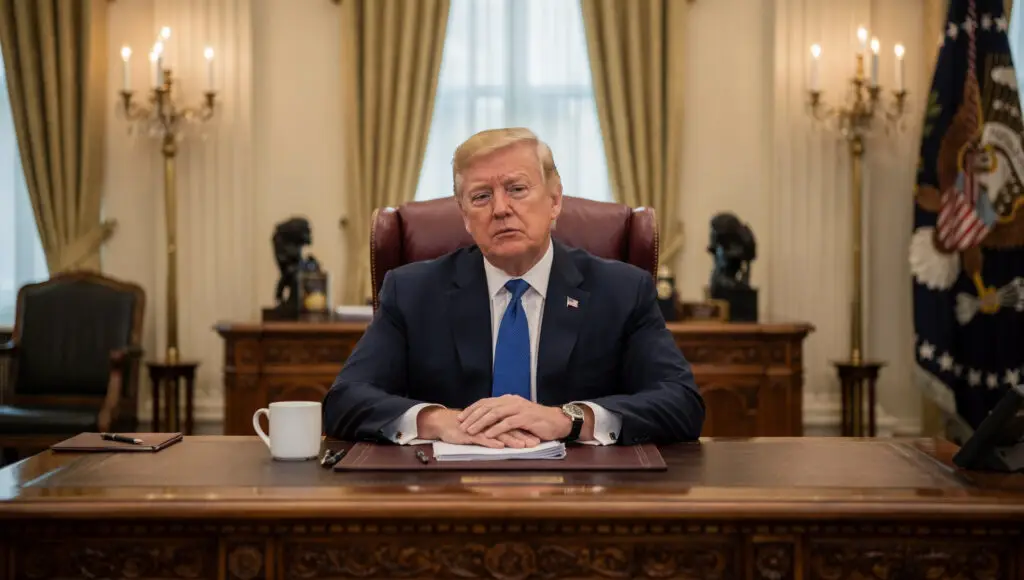
The return of Donald Trump to the White House further strengthened this dynamic. Islamabad’s cooperation on regional security and counterterrorism aligned with US objectives, restoring Pakistan’s value as a strategic partner, according to diplomatic coverage.
Recommended Article: US Tariff Threats Expose Political Fault Lines in North American…
India–Pakistan Ceasefire Alters Regional Calculations
The May 2025 ceasefire between Pakistan and India marked a turning point in regional security dynamics. The confrontation, though brief, reinforced Pakistan’s military credibility domestically and internationally.
US diplomatic involvement in the de-escalation enhanced Pakistan’s standing in Washington. Analysts note that crisis management often yields strategic leverage, a pattern reflected in South Asian security analysis.
Institutional Power Grows Under Military Leadership
The consolidation of authority culminated in constitutional amendments that elevated military leadership to unprecedented levels. The creation of a centralized defense command structure placed the army, navy, and air force under unified leadership.
These changes granted extensive appointment powers and legal protections, effectively insulating senior military figures from civilian oversight. Observers describe this as the most significant restructuring since the era of military rule in the late twentieth century, according to governance-focused research.
Internal Security Challenges Persist Beneath Stability
Despite the appearance of order, Pakistan faces persistent internal security threats. Violence linked to militant groups surged in 2025, particularly in Balochistan and Khyber Pakhtunkhwa.
Authorities attribute much of the instability to cross-border militancy and regional proxy dynamics. The prolonged closure of the Pakistan–Afghanistan border underscores unresolved tensions, as detailed in security risk reports.
China and the Gulf Add to Strategic Balancing
Pakistan’s external relationships extend beyond Washington. Beijing remains a critical economic partner, while Gulf states have deepened security and financial cooperation.
Agreements with Saudi Arabia and regional allies reflect Pakistan’s strategic positioning within a multipolar landscape. This diversification provides economic relief but also reinforces military influence, according to international relations analysis.
Human Rights and Democratic Scrutiny Declines
As Pakistan’s strategic relevance rises, international scrutiny of its democratic backsliding has diminished. Human rights concerns, including the prolonged detention of opposition figures, receive less attention amid shifting geopolitical priorities.
Critics argue this transactional tolerance risks entrenching authoritarian governance. Strategic convenience, they warn, often delays but does not resolve internal instability, a theme explored in global governance commentary.
Fragile Stability Masks Long-Term Risks
While Pakistan’s military-led order has delivered short-term stability and renewed global relevance, underlying vulnerabilities remain. Economic fragility, public distrust, and unresolved security challenges continue to simmer beneath the surface.
History suggests that suppression of dissent can produce temporary calm while deepening long-term instability. Whether Pakistan’s leadership can translate geopolitical leverage into sustainable governance remains uncertain, according to long-term regional analysis.