


Pope Leo XIV Warns Against Confusing Data Access With Real Wisdom
Pope Leo XIV emphasized that societies must help younger generations navigate artificial intelligence without losing their capacity for meaning, reflection, and responsibility. He explained that unlimited access to information does not equate to the ability to understand deeper truths about human existence.
He stressed that the rapid expansion of technology often sidelines essential questions of purpose and values. According to the Pope, young people need guidance so technological progress strengthens, rather than weakens, their inner growth.
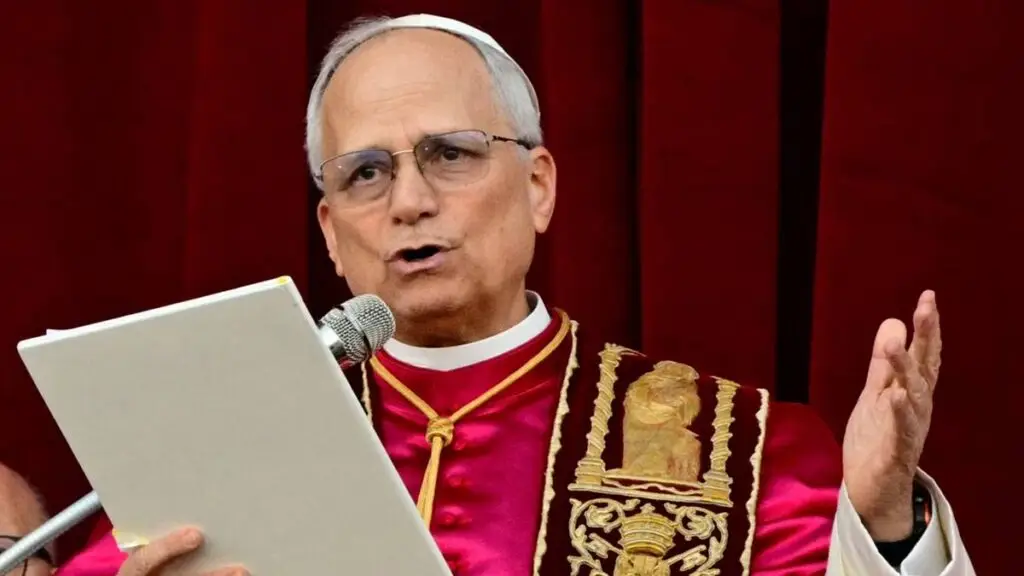
Youth Must Be Supported as AI Reshapes Understanding and Decision-Making
The Pope reminded audiences that the well-being of society depends on young people learning to develop their talents with clarity and generosity. He warned that their exposure to AI shapes how they interpret information, make decisions, and understand themselves.
He argued that young generations require mentorship to use technology wisely rather than be overwhelmed by it. Their maturity, he said, relies on cultivating curiosity, responsibility, and freedom of thought.
Building Ethical AI Requires Collaboration Across All Sectors
Pope Leo called for a unified global effort to manage AI’s development responsibly. He stated that politics, education, finance, business, communication, and faith communities must collaborate to guide AI toward serving the common good.
He warned that leaving AI governance solely in the hands of powerful institutions risks concentrating wealth and influence among a small minority. A shared framework, he said, is necessary to balance progress with fairness.
Recommended Article: AI Tools May Intensify Academic Overload as Research Output Accelerates
AI’s Impact on Human Thinking and Relationships Requires Deep Reflection
The Pope highlighted that artificial intelligence has already reshaped daily life and influenced how people learn, communicate, and form relationships. These changes, he said, demand a thoughtful examination of what it means to be human in an era shaped by algorithms.
He encouraged leaders to reflect on how AI may affect critical thinking, emotional development, and interpersonal connections. Protecting the inner life of children and young adults, he added, is essential.
AI Must Serve the Common Good, Not Concentrated Power or Profit
Pope Leo raised concerns about AI being used to accumulate wealth and control rather than promote societal well-being. He questioned whether current AI trajectories aligned with fairness, justice, and respect for human dignity.
He encouraged global institutions to ensure that technological progress benefits all people, especially those most vulnerable. AI, he said, should uplift communities—not widen inequalities.
Humans Must Remain Co-Creators, Not Passive Consumers of Technology
The Pope reminded the audience that human beings are called to be active contributors in shaping creation. He cautioned against becoming passive users of AI-generated information, which may weaken creativity and diminish personal agency.
He explained that AI can inspire innovation, but it must not replace humanity’s ability to seek truth, appreciate beauty, and explore the world with wonder. Protecting these qualities is essential to balanced human development.
Safeguarding Human Identity Is Critical as AI Evolves
Artificial intelligence, the Pope said, raises important questions about identity, autonomy, and the nature of human experience. These questions require societies to pause and consider how technological advancements are shaping culture and values.
He emphasized that preserving what defines humanity is vital for ethical AI governance. Ensuring that children grow intellectually, emotionally, and spiritually must remain a central focus as technology continues advancing.
Guiding AI Development Requires Wisdom, Unity, and Responsibility
Pope Leo concluded by urging global leaders, researchers, and institutions to work together in shaping ethical AI. He thanked contributors who study AI’s effects and encouraged continued dialogue grounded in responsibility and compassion.
He affirmed that technology must be guided by human purpose, not the other way around. Ensuring that AI truly serves the common good, he said, will require humility, cooperation, and a shared commitment to protecting human dignity.