BANGKOK — December 8, 2025 — Renewed hostilities between Thailand and Cambodia have intensified after both nations accused each other of violating a U.S.-brokered ceasefire agreement. Thailand’s recent air strikes along the border mark the sharpest escalation in years, underscoring how deeply domestic politics and historical grievances continue to drive regional instability.
Cornell University political scientist Tom Pepinsky says the conflict reflects centuries-old territorial disputes that modern governments have repeatedly struggled to resolve — and this latest flare-up is closely tied to internal political dynamics on both sides.
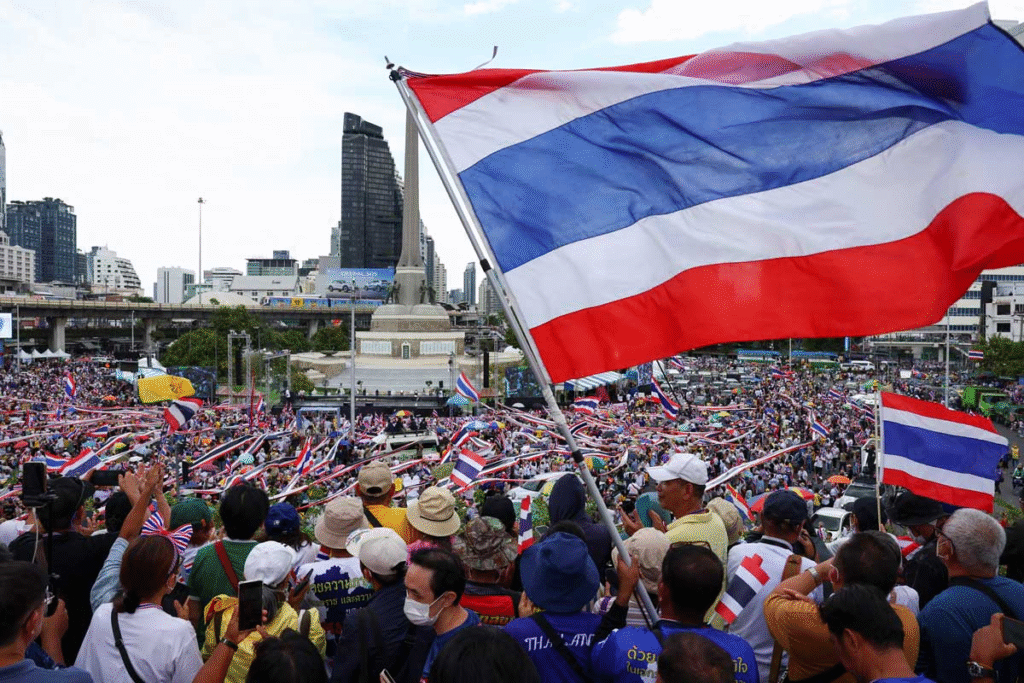
Historic Rivalries and Disputed Temples Fuel Conflict
Relations between Thailand and Cambodia have long been strained by disagreements over sacred temples and surrounding lands. Many of these disputed areas trace back to borders drawn during the colonial era, leaving ambiguities that have triggered diplomatic friction since the 1960s.
The contested temples hold strong symbolic value for both nations, becoming flashpoints whenever nationalist sentiment rises. Pepinsky notes that these sites are woven into each country’s identity narratives, making compromise politically sensitive and often unpopular.
Domestic Politics Intensify Cross-Border Tensions
While neither country seeks a full-scale war, internal politics frequently elevate disputes into national security crises. Thailand’s military, a powerful political force for decades, benefits from a “rally-around-the-flag” effect as tensions rise, bolstering its influence during periods of political transition.
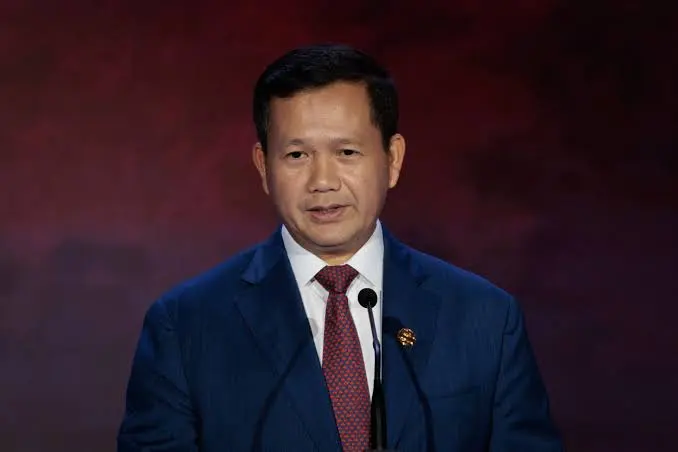
Cambodia’s Prime Minister Hun Manet — a West Point graduate with a deep military background — is also motivated to project strength. As a new leader navigating domestic expectations, he remains highly protective of Cambodia’s sovereignty, responding firmly to perceived aggression from neighboring states.
Ceasefire Fragility Highlights Regional Instability
The recent U.S.-mediated ceasefire was intended to prevent escalation, but mutual accusations of violations quickly reignited hostilities. Air strikes, troop movements, and competing narratives circulating in state media have further undermined trust between the two governments.
Analysts warn that without a sustained diplomatic framework, sporadic clashes may continue, especially when domestic politics incentivize hardline postures. The border’s rugged geography and the presence of multiple contested zones also complicate monitoring and enforcement.
Recommended Article: Supreme Court Case Could Transform US Campaign Finance Rules Again
Military Influence Shapes Thailand’s Strategic Decisions
Thailand’s armed forces remain deeply embedded in national governance, shaping both domestic policy and foreign relations. With the country experiencing decades of political cycles between civilian and military leadership, the military’s assertive stance along the border reflects its broader role in preserving authority and public support.
Pepinsky adds that moments of external tension often allow the military to strengthen its position internally, reinforcing its long-standing influence over national security matters.
Cambodia Balances Diplomacy With Demonstrations of Strength
Hun Manet’s leadership represents a new chapter for Cambodia, but his approach to national defense aligns closely with past administrations. While Cambodia has signaled willingness to negotiate, it also insists on responding decisively to any perceived Thai encroachment.
For the new prime minister, maintaining credibility at home means avoiding signs of weakness — particularly in a region where historical memory and territorial pride remain deeply embedded in political culture.
Regional Implications of Escalating Border Clashes
The Thailand–Cambodia conflict carries broader implications for Southeast Asia, particularly regarding stability, trade, and regional cooperation. Military skirmishes threaten transport routes, border commerce, and regional investment confidence.
ASEAN, traditionally reliant on consensus-driven diplomacy, faces renewed pressure to intervene or mediate, even as member states carefully balance national interests and regional cohesion.
Prospects for De-escalation Remain Uncertain
While both nations publicly deny seeking a wider conflict, political incentives and historical grievances create a volatile environment. Analysts believe that without stronger international mediation and domestic political restraint, incidents along the border may persist.
Pepinsky emphasizes that the roots of the dispute run deep — and resolving them will require not only diplomacy but also political will from leaders who must balance national pride with long-term regional stability.