Thailand’s Prime Minister Dissolves Parliament After Deepening Political Rift
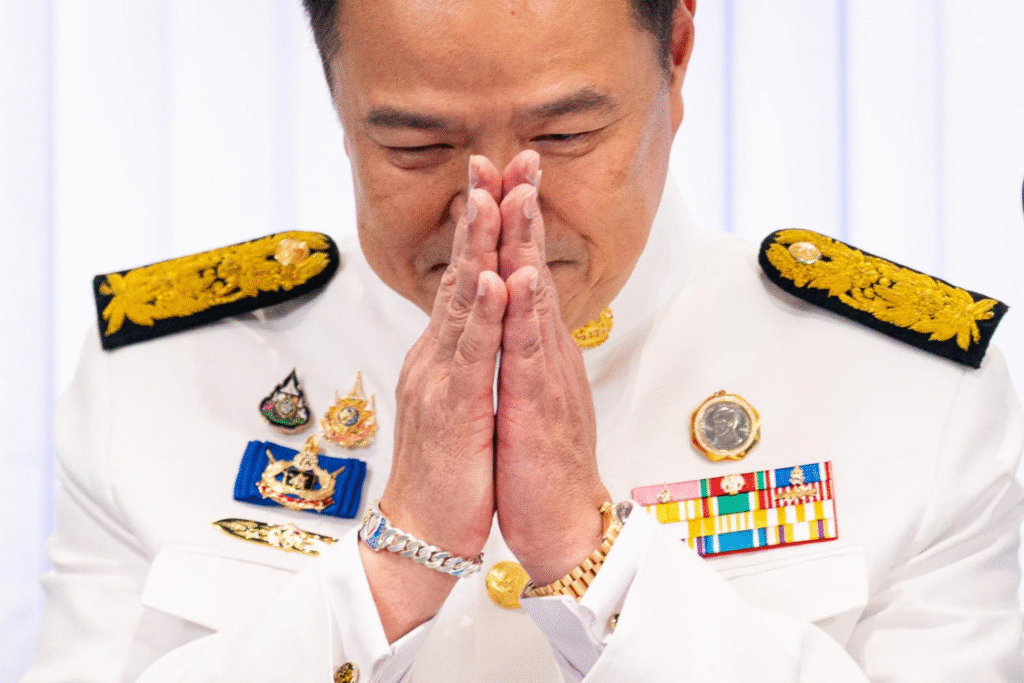
Thailand’s political landscape shifted dramatically as Prime Minister Anutin Charnvirakul moved to dissolve parliament following an ongoing deadlock. Government officials confirmed that disagreements with the largest opposition grouping prevented further legislative progress. The decision aims to return authority to the public and reset the current political trajectory facing persistent instability.
Anutin’s announcement was followed by swift confirmation from the Royal Gazette, formally endorsing the decree. Under Thai law, national elections must now occur within forty-five to sixty days. The accelerated timeline marks a sharp deviation from earlier plans for an election in March or early April. The dissolution highlights the depth of political friction impacting Thailand’s governance.
Breakdown With the People’s Party Forced a Rapid Political Recalibration
Government spokesperson Siripong Angkasakulkiat stated that the dissolution resulted from an inability to move forward in parliament. Negotiations with the opposition People’s Party collapsed after disagreements related to constitutional reforms and cabinet expectations. Both sides exchanged criticisms that ultimately made continued cooperation untenable.
The People’s Party accused the Bhumjaithai-led government of failing to honor commitments outlined during coalition negotiations. They argued that planned constitutional amendments were not meaningfully advanced. The standoff escalated into threats of a no-confidence motion, prompting Anutin to trigger early elections instead of engaging in prolonged confrontation.
Escalating Thailand–Cambodia Border Clashes Heighten National Tensions
The political crisis coincides with severe clashes along the Thai-Cambodian frontier. Hostilities entered their fourth consecutive day, resulting in at least twenty fatalities and nearly two hundred injuries. Fighting has been reported in more than a dozen locations, involving the exchange of heavy artillery fire between opposing forces.
Anutin assured the public that dissolving parliament would not compromise ongoing military operations. Security officials emphasized that national defense remains stable despite political changes. However, the simultaneous emergence of political and security crises presents significant challenges for Thailand’s stability heading into the upcoming elections.
Recommended Article: Labour Faces Backlash After Deep UK Aid Cuts Trigger Political…
Economic Uncertainty Grows as Thailand Faces Persistent Domestic Pressures
Thailand’s economy continues struggling under the weight of high household debt, weakened consumer spending, and heavy US tariff impacts. Analysts warn that political instability could further depress investor confidence during a fragile economic period. As the second-largest economy in Southeast Asia, Thailand’s performance significantly affects regional economic momentum.
Businesses and policymakers remain concerned that prolonged instability will delay key reforms and undermine international partnerships. With elections expected soon, political platforms will likely center on growth strategies, trade conditions, and national resilience amid global economic headwinds.
Coalition Tensions Reveal Deeper Struggles Over Constitutional Reform
The People’s Party asserted that the Bhumjaithai-led government failed to meet reform commitments outlined during coalition formation. They advocated for a referendum on constitutional amendments aimed at modernizing Thailand’s political framework. When progress stalled, party leaders demanded immediate accountability through a no-confidence motion.
Government officials countered that the opposition’s demands exceeded what was feasible in the current political environment. The resulting stalemate illustrated persistent divisions over Thailand’s constitutional and institutional future. Analysts believe these debates will become central issues during the upcoming election cycle.
Accelerated Elections Expected to Reshape Thailand’s Political Landscape
The dissolution of parliament initiates a rapid electoral process likely to reshape political alliances. Major parties are already preparing candidate lists, policy platforms, and campaign strategies to adapt to the compressed timeline. Voters will face decisions influenced by both political upheaval and escalating regional tensions.
Observers predict intense campaigning centered on constitutional reform, military strategy, and economic recovery. With public frustration rising over instability, political parties must present credible solutions capable of restoring confidence across diverse sectors of society.
Uncertain Path Forward as Thailand Balances Security and Governance Risks
As Thailand moves toward early elections, the country faces simultaneous political and security challenges requiring careful leadership. The combination of parliamentary breakdown and border conflict presents a uniquely complex national moment. Whether upcoming elections restore stability or deepen existing divides remains uncertain.
Political analysts emphasize that decisive governance will be essential to navigating economic pressure, public expectations, and external threats. The coming weeks will determine whether Thailand emerges from this crisis with a renewed mandate—or confronts an extended period of volatility.