Rapid AI Progress Outpaces Enterprise Readiness
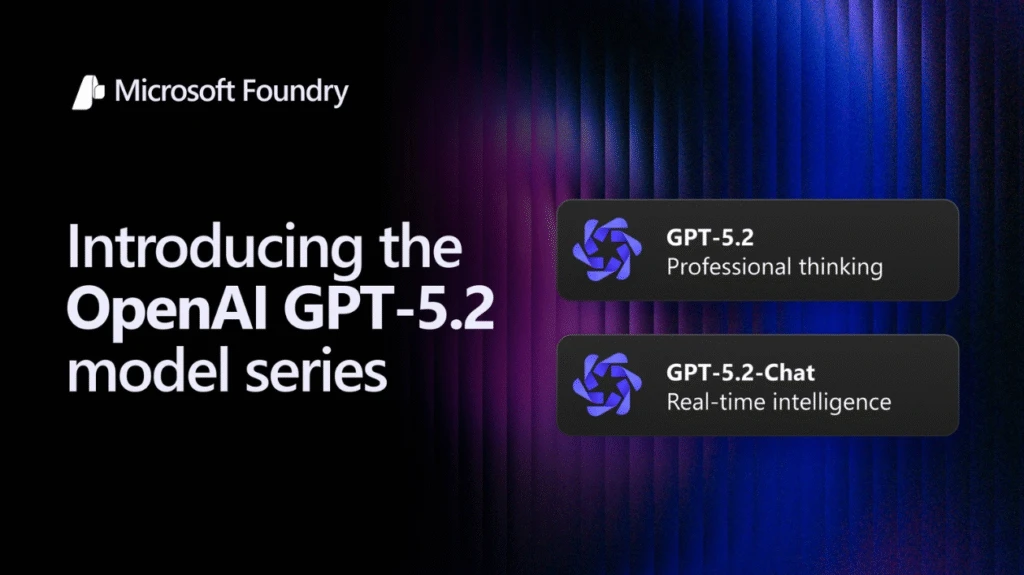
The release of GPT 5.2 by OpenAI, just one month after GPT 5.1, highlights how quickly artificial intelligence continues to advance. The rapid pace of model upgrades underscores the widening gap between innovation and adoption. While new capabilities expand what businesses can achieve, many enterprise leaders feel overwhelmed.
Since the debut of ChatGPT three years ago, companies have witnessed a shift from AI model hype to excitement surrounding agentic AI. However, the speed of development has left many organizations struggling to integrate these tools responsibly. Executives are increasingly concerned that they cannot evaluate one technology before the next arrives.
Industry Leaders Warn of Confusion and Hype Fatigue
At the AI Summit conference in New York, technology executives expressed concerns about the overwhelming nature of AI rollouts. Peter Guagenti, CEO of agentic AI vendor EverWorker, said the constant stream of announcements contributes to anxiety inside organizations. He argued that the promotional energy from major AI companies often obscures the practical steps needed for real adoption.
Guagenti’s company focuses on helping enterprises deploy AI workers without requiring code. Yet even he acknowledged that many teams feel pressured by the hype cycle. The noise around new products makes it difficult for leaders to evaluate tools based on business value rather than technological novelty.
AI’s Allure Remains Strong Across Industries
Despite rising concerns, many employees and decision-makers find AI deeply compelling. Naomi Taddesse, an assistant architect at General Motors, described the technology’s appeal after seeing dozens of AI vendors at the conference. She noted that AI is already woven into manufacturing and automotive processes.
Although she voiced concerns about job displacement, she also recognized that many industries are moving rapidly toward AI-driven workflows. Workers see both opportunity and uncertainty as automation becomes more widespread. The excitement surrounding AI’s potential continues to attract attention across sectors.
Recommended Article: Microsoft Identifies Seven AI Trends Set to Reshape Global Innovation…
Experts Urge Enterprises to Start With Clear Use Cases
To address the sense of overwhelm, experts recommend that businesses narrow their focus. Guagenti emphasized that companies should identify specific operational challenges rather than adopting AI for its own sake. Leaders must ask where they struggle to hire, where inefficiencies exist, and where small automation gains can produce meaningful benefits.
By starting with high-reward, low-risk use cases, enterprises can build confidence without exposing themselves to unnecessary complexity. This targeted approach helps teams reduce anxiety and encourages them to evaluate AI tools through a practical lens instead of reacting to hype.
Data Quality Emerges as the Foundation for Responsible AI
Beyond identifying use cases, organizations need to prioritize data quality and observability. At the conference, Retool sales engineer David Swan emphasized that AI applications cannot earn trust if enterprises lack visibility into their data pipelines. Observability ensures that inputs reflect reality and that outputs are grounded in appropriate context.
American Airlines executive Anuradha Maradapu echoed these concerns. She explained that enterprises frequently deploy AI tools before determining whether their data is ready. Without proper governance and preparation, organizations risk implementing systems that fail to deliver reliable results. The pressure to adopt AI quickly often leads to shortcuts that undermine long-term success.
Fast Adoption Without Foundations Creates Organizational Chaos
While many analysts say AI adoption is slow, Maradapu offered a different perspective. She argued that enterprises are moving too quickly, not too cautiously. The rush to embed AI into workflows has created disorder because companies often neglect the governance structures required for safe implementation.
She noted that rapid adoption without proper data alignment generates confusion rather than innovation. To avoid chaotic outcomes, organizations must ensure that datasets match intended applications and that internal governance frameworks are robust. Careful preparation is essential for sustainable AI integration.
Companies Work to Make AI Accessible Across the Workforce
One emerging strategy involves democratizing AI access within organizations. Guagenti pointed out that bespoke agents designed for departmental needs can help employees adopt AI more comfortably. Giving workers tools tailored to their specific tasks reduces resistance and improves engagement.
NBC Universal’s chief digital and technology officer, Chris Crayner, described similar efforts. He explained that friction exists across all roles, from front-line staff to data scientists. By making AI tools transparent and user-friendly, companies can help employees understand how automation supports their work. Clear communication and training are key to successful adoption.