

Rising Pressure on Natural Resources
Across the Asia-Pacific region and beyond, pressure on natural resources is intensifying at an unprecedented pace. Rapid population growth, accelerating urbanization, expanding economies, and increasingly severe climate events are straining ecosystems that sustain food, water, energy, and livelihoods.
Governments now face a dual challenge: meeting rising demand for essential resources while preventing irreversible environmental damage. In this context, technology has shifted from being a supportive tool to a central pillar of sustainable development strategies.
Technology as a Catalyst for Sustainable Change
Modern technologies offer new ways to manage natural resources more efficiently, transparently, and equitably. Digital innovation, biotechnology, renewable energy systems, and advanced monitoring platforms are redefining how societies interact with the natural world.
Rather than reacting to crises after they occur, governments can now anticipate risks, simulate outcomes, and optimize interventions before damage escalates. This proactive approach marks a fundamental change in resource governance.
Digitalization Transforms Resource Governance
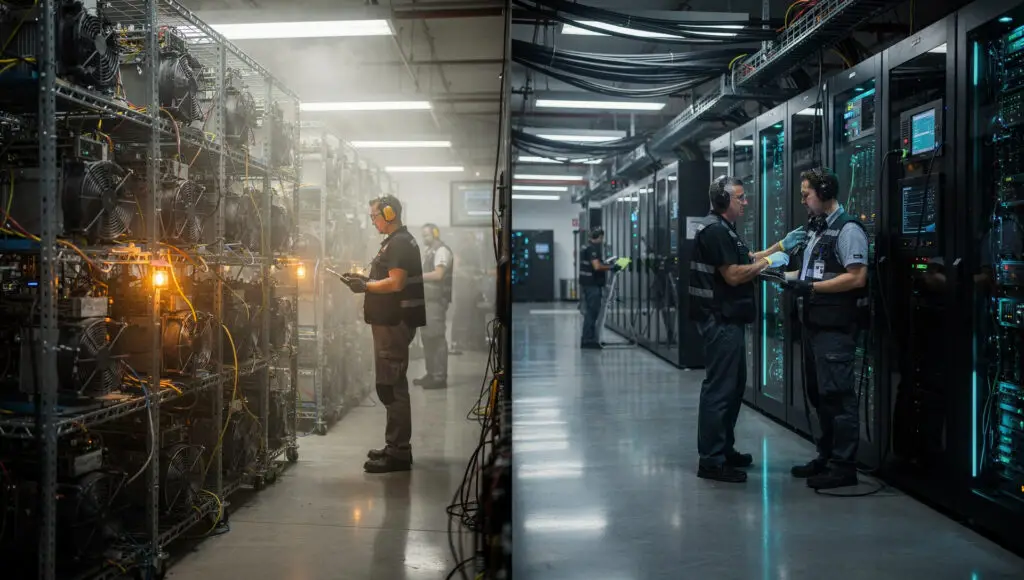
Digital technologies have become among the most transformative forces in natural resource management. Artificial intelligence, remote sensing, drones, geospatial analytics, and digital twins allow unprecedented visibility into environmental systems.
Digital twins, in particular, enable policymakers to create real-time virtual replicas of forests, watersheds, mines, and coastlines. These models allow decision-makers to test policies, forecast impacts, and refine strategies without endangering real ecosystems.
Recommended Article: Immersive Tech Destinations Elevate Global Travel Through Digital Innovation
Artificial Intelligence in Environmental Monitoring
AI is already being deployed to predict groundwater depletion, identify illegal mining and deforestation, analyze climate vulnerability, and optimize irrigation systems. By processing massive datasets, AI delivers insights that would otherwise take years to uncover.
These tools improve accuracy while reducing costs, allowing even resource-constrained governments to strengthen environmental oversight and enforcement.
Biotechnology Expands Restoration Capabilities
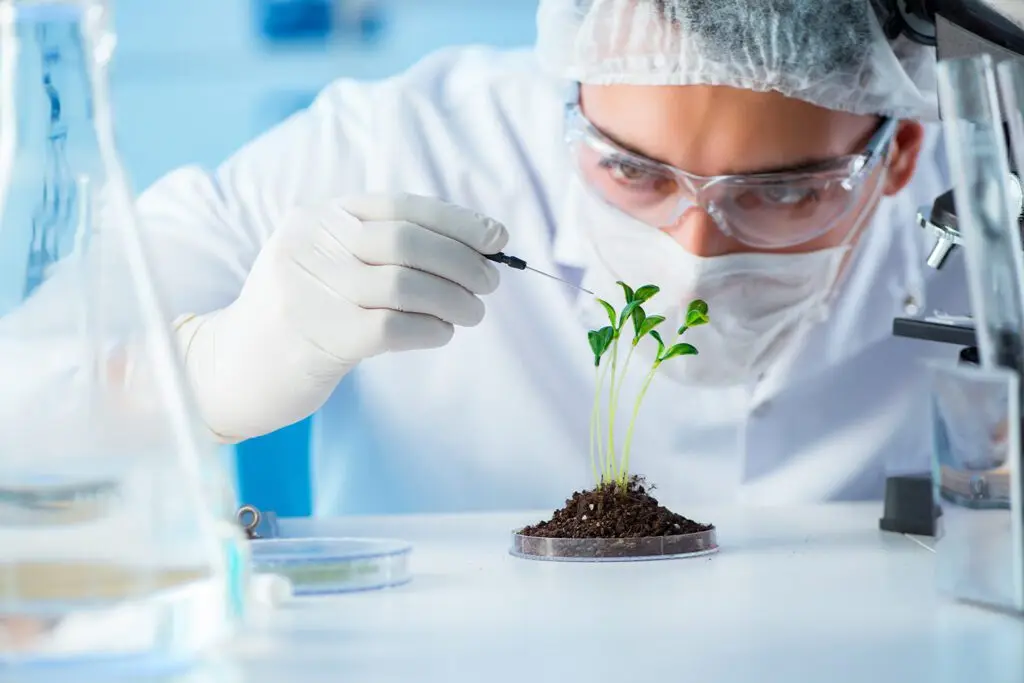
Beyond digital tools, biotechnology is opening new frontiers in ecosystem restoration. Advanced biosensors detect pollutants in real time, enabling early intervention before contamination spreads.
Innovations such as microbial soil rehabilitation and biological monitoring enhance soil health, water quality, and biodiversity. Importantly, many of these approaches integrate scientific research with traditional ecological knowledge, increasing local relevance and acceptance.
Energy Systems at the Center of Sustainability
Energy use lies at the heart of natural resource management. As demand grows, energy systems must become cleaner, more efficient, and more decentralized.
Hybrid solar-wind microgrids, advanced energy storage, green hydrogen production, and AI-driven energy planning reduce emissions while improving resilience. These technologies help decouple economic growth from environmental degradation.
Advancing Circular Resource Use
Technology is also transforming waste management and circularity across plastics, metals, water, and construction materials. Advanced sorting systems, material tracking platforms, and recycling innovations reduce resource extraction pressure.
Circular approaches allow materials to remain in productive use longer, minimizing waste while supporting economic efficiency.
Regional Cooperation and Knowledge Sharing
Many natural resources cross national boundaries, including rivers, forests, and marine ecosystems. Technology cooperation enables countries to coordinate management strategies through shared data platforms, joint research initiatives, and regional innovation hubs.
Such collaboration strengthens collective resilience while reducing conflict over shared resources.
Innovation From the Global South
Developing countries are not merely recipients of technology. Examples from India, Iran, Fiji, China, and Korea demonstrate how localized innovation can deliver globally relevant solutions.
These initiatives show that sustainable technologies thrive when adapted to local conditions and supported by community participation.
Keeping People at the Center
While technology is powerful, it cannot succeed in isolation. Social innovation ensures tools serve communities rather than displace them.
Community-led monitoring, citizen science, and participatory decision-making align technology with lived realities, increasing effectiveness and long-term sustainability.
Turning Innovation Into Impact
Institutions like the Asian and Pacific Centre for Transfer of Technology play a key role in helping countries adopt and scale responsible technologies.
By linking innovation with governance, capacity building, and equity, technology can support a future where economic development and environmental stewardship advance together.