


Regional Dialogue Addresses Gender Barriers in Leadership
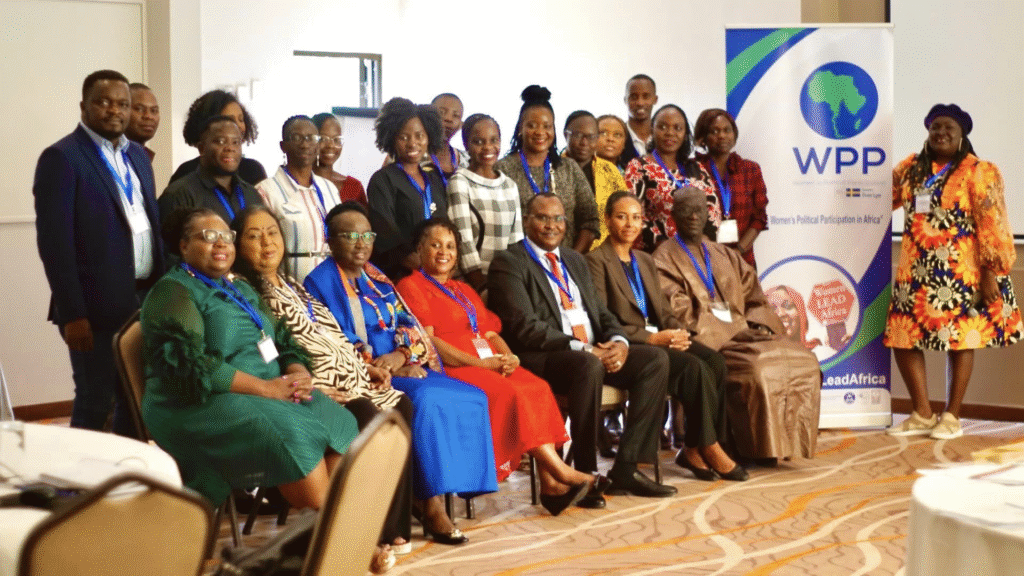
Political leaders, activists, and civil society representatives gathered to confront deeply rooted gender norms limiting women and youth participation in leadership across Central Africa. The regional dialogue aimed to create a shared space for reflection, exchange, and commitment to transforming social norms that shape power and representation.
Participants emphasized that political exclusion is not solely a legal or institutional issue but one deeply embedded in cultural expectations. Addressing these norms, they argued, is essential for building inclusive and representative governance.
International Cooperation Supports Regional Change
The dialogue was convened under a broader initiative supporting women’s and youth leadership across Africa. International partners and regional organizations worked together to facilitate discussions spanning multiple Central African countries, reflecting the cross-border nature of gender inequality challenges.
By bringing together representatives from governments, political parties, and civil society, the event highlighted the importance of collective ownership. Participants stressed that meaningful change requires collaboration between institutions, communities, and individuals.
Women Share Experiences of Exclusion and Resilience
Women leaders described persistent barriers ranging from informal exclusion to overt intimidation. Many recounted experiences of being sidelined within political parties, denied access to resources, or subjected to violence aimed at discouraging participation. These stories illustrated how gender norms operate both visibly and invisibly.
Despite these challenges, participants also highlighted resilience and determination. Young women in particular emphasized their readiness to lead, rejecting narratives that frame them as unqualified or unprepared. Their testimonies underscored a growing demand for generational and gender inclusion.
Recommended Article: Greek Voters React with Anger to Political Posts on Social…
Men Reflect on Masculinity and Power
A notable feature of the dialogue was the active engagement of men in discussions about gender norms. Male participants reflected on traditional expectations of masculinity and how these norms shape political behavior. Many acknowledged that rigid gender roles harm both women and men.
These conversations opened space for exploring transformative masculinities rooted in partnership and shared responsibility. Participants emphasized that gender equality is not a zero-sum issue but one that strengthens societies as a whole.
Elections Highlight Structural Inequalities
Elections were identified as moments when discriminatory norms become most visible. Participants pointed to male-dominated party structures, financial barriers, and stereotypes about leadership as recurring obstacles. Young women face additional scrutiny, often judged more harshly than their male counterparts.
The discussions reinforced calls for structural reforms, including transparent candidate selection processes and equitable access to campaign resources. Without these changes, participants warned, progress toward inclusive democracy will remain limited.
Digital Spaces Amplify Gender-Based Violence
The dialogue also addressed violence against women in politics, including harassment and disinformation campaigns conducted online. Participants shared accounts of reputational attacks designed to silence women and isolate them from political networks. Digital platforms were described as amplifiers of existing inequalities rather than neutral spaces.
Addressing online abuse was identified as a priority for protecting women’s participation. Participants stressed the need for stronger safeguards, accountability mechanisms, and cultural change to ensure digital spaces support rather than undermine democratic engagement.
Commitments Signal Momentum for Change
The dialogue concluded with participants outlining personal, institutional, and community-level commitments. These ranged from mentoring initiatives to policy advocacy and public awareness campaigns. The shared goal was clear: dismantling harmful norms requires sustained effort across multiple fronts.
While challenges remain significant, participants expressed renewed determination. By confronting gender norms directly and collectively, the dialogue marked a step toward more inclusive political systems across Central Africa.