

A Youth-Driven Political Shock
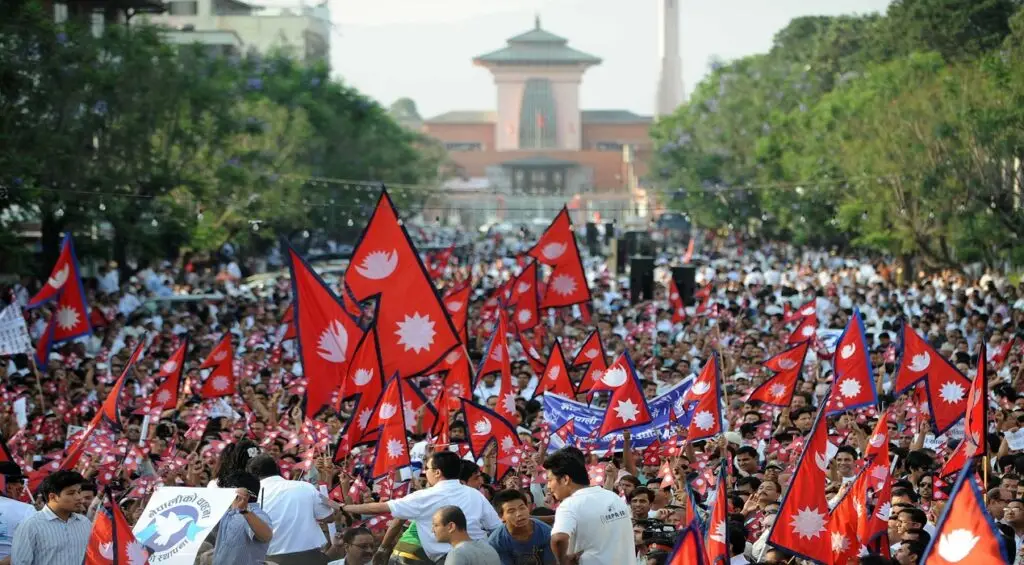
Nepal’s political landscape was jolted in 2025 by an unexpected wave of Gen Z-led protests that quickly escalated into a nationwide uprising. Though lacking formal leadership or party affiliation, the movement forced the state to confront long-ignored generational grievances.
An interim agreement signed in December formally recognised the protests as a “people’s movement,” marking a rare concession from political elites. Analysts argue that while the agreement fell short of structural reform, it symbolised a shift in how youth voices are perceived.
Economic and Physical Damage Mounts
The government’s own assessments revealed the scale of the unrest’s impact. Thousands of jobs were lost, and damage to public infrastructure reached tens of billions of rupees. Major state institutions, including Singha Durbar and parliamentary buildings, suffered significant destruction.
These losses highlighted the cost of political stagnation. The protests were not merely symbolic acts but disruptions that exposed deep frustration with governance failures and limited economic opportunities for young citizens.
Competing Narratives Around the Movement
Political responses to the uprising varied sharply. Leaders of the UML party suggested criminal infiltration and hidden conspiracies, while analysts cautioned against delegitimising grassroots movements through such claims.
Observers noted that the Gen Z protests defied traditional political categorisation. Without a formal structure or party backing, the movement resisted easy institutionalisation, making its long-term impact difficult to predict but impossible to ignore.
A Generational Shift Long in the Making
Economists and political observers argue that the uprising was the culmination of trends already underway. Nepal’s population is young, globally connected, and increasingly frustrated with an aging political elite.
Election results in recent years showed rising support for new political faces, signalling growing impatience with entrenched leadership. The 2025 protests accelerated this shift, bringing generational change to the forefront of national debate.
Recommended Article:
Governance Improvements Under Interim Leadership
Despite limited authority, the interim technocratic government delivered tangible improvements. Public services such as disaster warnings became more reliable, offering citizens a glimpse of what responsive governance could look like.
These improvements reinforced protestors’ demands. Having experienced functional service delivery, many young Nepalis now expect higher standards from future governments, raising the stakes for post-election leadership.
Economic Crossroads and Structural Challenges
Nepal’s economy presents both resilience and vulnerability. Strong foreign exchange reserves and robust remittances provide stability, but dependence on migration underscores limited domestic opportunity.
Hydropower offers a potential growth path, with regional demand from neighbouring countries. However, experts warn that environmental shortcuts could undermine long-term benefits, stressing the need for sustainable planning.
Navigating Regional Geopolitics
Nepal’s position between India and China remains a defining factor. Analysts suggest the country could benefit by positioning itself as a bridge for trade and energy rather than playing rivals against each other.
Such a strategy would require diplomatic balance and domestic political stability—both of which remain uncertain in the wake of youth-driven upheaval.
An Unfinished Political Transformation
While the Gen Z movement forced a national reckoning, its ultimate legacy remains unclear. The real test will come after elections, when policy decisions reveal whether political leaders have absorbed the movement’s demands.
For now, Nepal’s youth have altered the political conversation. Whether that momentum translates into lasting reform or fades into frustration will depend on how power responds to the challenge it can no longer ignore.