Stock Market Optimism Masks Debt Market Anxiety
Artificial intelligence stocks have continued climbing despite warnings of overheating valuations. Equity investors remain focused on long-term growth narratives tied to automation and computing demand. Rising share prices suggest confidence in AI’s transformative potential. However, the debt market is sending a very different signal. Bond investors are demanding significantly higher interest rates from AI borrowers. This divergence highlights a growing disconnect between optimism and caution. Debt markets are increasingly pricing in downside risks.
Unlike equity holders, debt investors do not benefit from runaway upside. Their primary concern remains capital preservation and predictable repayment. This difference shapes how risk is evaluated across markets. AI companies borrowing heavily face scrutiny over cash flow visibility. Rising yields reflect skepticism rather than enthusiasm. Debt pricing acts as an early warning system. Markets are quietly questioning the pace of AI expansion.
Borrowing Costs Surge for Emerging AI Players
Several newer AI-focused companies have been forced to pay steep premiums. Interest rates on recent debt deals exceeded similarly rated firms by wide margins. These spreads signal heightened concern about business durability. Investors remain wary of companies without long operating histories. Even strong growth projections fail to offset construction and execution risks. Borrowers must compensate lenders for uncertainty. Elevated yields reflect that trade-off clearly.
Higher borrowing costs strain business models reliant on scale. Infrastructure-heavy strategies demand patience and capital discipline. Rising interest expenses compress margins before revenue stabilizes. Debt investors factor in delays and potential overruns. Many AI firms remain pre-profit despite massive capital needs. This imbalance weighs heavily on credit assessments. Skepticism continues to build across new issuances.
Construction Risks Loom Over Data Center Expansion
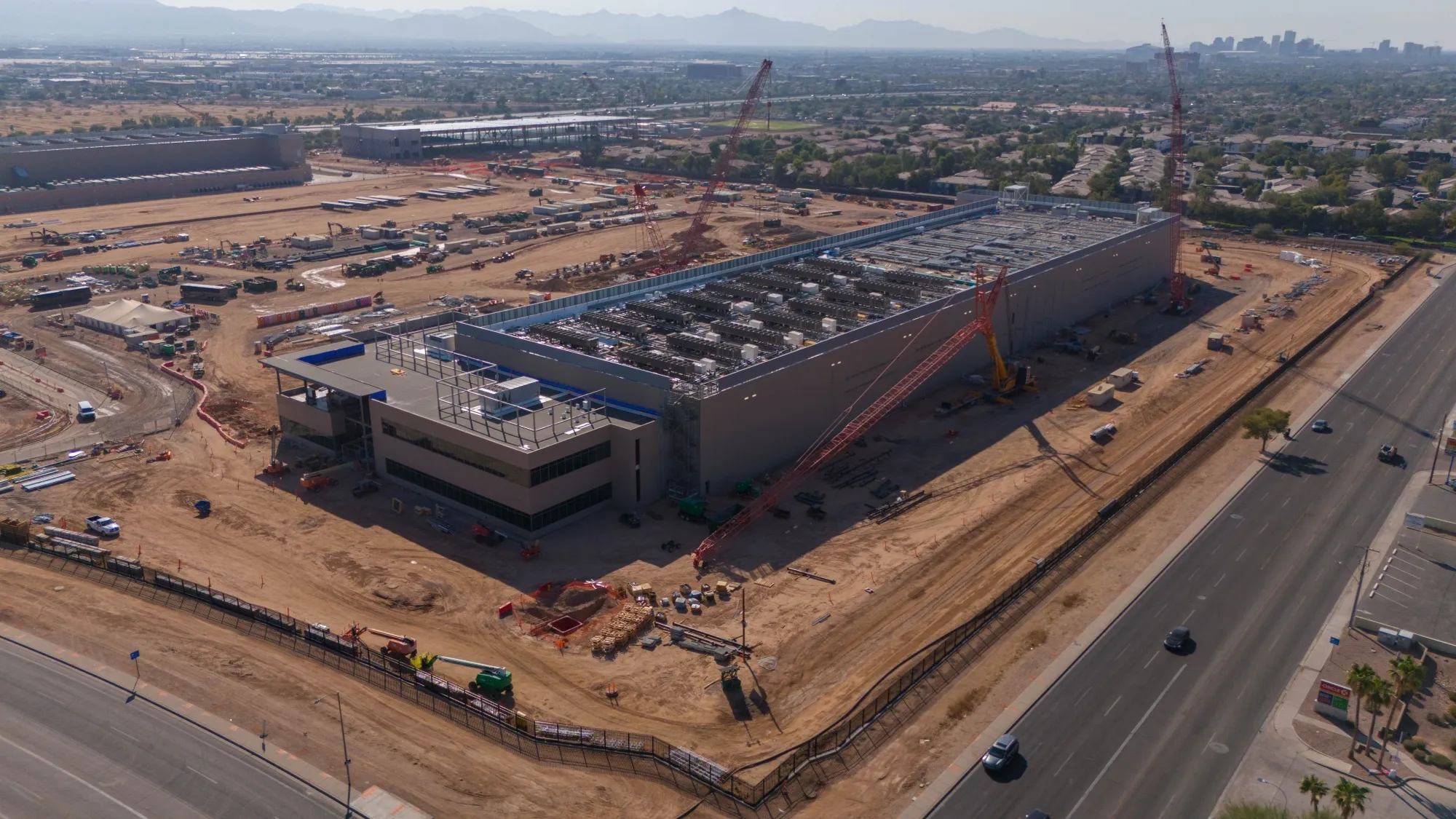
Large-scale data centers underpin the AI boom’s physical foundation. These facilities require years to build before generating meaningful revenue. Construction delays can push profitability far into the future. Debt investors see this lag as a critical vulnerability. Any disruption increases default risk. Execution timelines remain uncertain amid labor and supply constraints. Infrastructure risk dominates credit discussions.
Investors also worry about potential oversupply. If AI demand fails to meet expectations, excess capacity may emerge. Unused data centers would strain balance sheets quickly. Debt tied to underutilized assets becomes problematic. Credit markets price this possibility aggressively. Construction risk now rivals technological uncertainty. The margin for error remains thin.
Recommended Article: AI Investment Boom Meets Debt Market Reality as Borrowing Costs Rise and Investor Caution Deepens
Reliance on Major Clients Raises Concentration Concerns
Many smaller AI infrastructure firms depend on contracts with hyperscalers. These relationships provide stability but create concentration risk. Losing a single major client could destabilize revenues. Credit agencies scrutinize tenant dependency closely. Diversification remains limited across newer operators. This reliance heightens perceived fragility. Investors demand compensation for exposure.
Contracts with established firms improve ratings marginally. However, they do not eliminate risk entirely. Hyperscalers retain bargaining power over pricing and renewals. Shifts in strategy could ripple downstream quickly. Debt investors remain alert to asymmetric relationships. Revenue concentration remains a key concern. Credit caution persists despite marquee names.
Bond Market Repricing Signals Shifting Sentiment
Some AI-related bonds have declined after issuance. Falling prices indicate investor reassessment rather than panic. Rising yields reflect new expectations around risk. Credit default swap costs have also increased sharply. These instruments offer protection against potential defaults. Their rising cost suggests deeper unease. Debt markets are repricing reality.
This repricing contrasts with equity market resilience. Stocks often react later to credit stress. Debt investors move first when risk perceptions change. Yield spreads capture that shift in real time. Market sentiment evolves gradually but decisively. Recent repricing may influence future borrowing plans. Capital allocation could slow.
Established Tech Firms Borrow at Lower Cost
Large technology companies face fewer obstacles accessing debt markets. Strong balance sheets and cash reserves reassure investors. Borrowing costs remain near market averages for these firms. Their scale and diversification reduce perceived risk. Data center expansion by incumbents appears more sustainable. Credit markets differentiate sharply between borrowers. Size and stability matter.
Established firms benefit from diversified revenue streams. They can absorb cost overruns more easily. Debt investors view their AI investments as incremental rather than existential. This contrast highlights uneven risk across the sector. Smaller firms face stricter scrutiny. Credit access increasingly favors incumbents. The gap continues widening.
Debt Markets Temper the AI Boom Narrative
The AI boom remains intact but increasingly nuanced. Debt investors are forcing a reality check on growth assumptions. Capital discipline is becoming unavoidable. Borrowing remains possible but more expensive. Risk pricing reflects uncertainty rather than outright rejection. Markets seek balance between promise and prudence. Credit caution shapes the next phase.
This skepticism does not signal collapse. Instead, it enforces financial discipline across the sector. AI companies must prove sustainability, not just vision. Debt markets demand execution and transparency. Long-term winners will adapt accordingly. Excess optimism faces natural constraints. Credit markets are restoring equilibrium.