

AI Hype Collides With Uncertain Returns
Artificial intelligence dominated investment headlines in 2025. Spending surged across sectors globally. Expectations raced ahead of measurable outcomes. Returns on investment varied widely. Some deployments delivered strong results. Others failed to scale effectively. Enthusiasm remained widespread despite uncertainty.
Investors continue prioritizing AI adoption. Competitive pressure drives rapid implementation. Many firms fear falling behind rivals. Yet profitability timelines remain unclear. Infrastructure costs are rising sharply. Patience is being tested. 2026 may bring a reckoning.

Job Creation And Job Loss Happen Simultaneously
AI is reshaping labor markets unevenly. Some roles are being automated quickly. New positions are also emerging. Demand for analytical thinking is rising. Human-centric skills remain essential. Employers seek adaptability and leadership. Workforce transitions are accelerating.
Surveys show net job growth projections. Millions of roles may be displaced. Even more may be created. However transitions are uneven. Many workers face reskilling challenges. Entry level roles are shrinking. Workforce anxiety continues growing.
Productivity Gains Often Bring Extra Work
AI promises efficiency improvements. Initial deployments often reduce productivity. Legacy systems clash with new tools. Training and workflow redesign slow progress. This creates an adoption curve. Short term losses precede long term gains. Patience becomes essential.
AI agents require constant oversight. Outputs appear complete but need review. Human monitoring remains necessary. Errors create additional workload. Some workers report “workslop” increases. Quality control demands rise. Productivity gains are delayed.
Recommended Article: A Growing Anti-AI Backlash Forces Political Choices In 2026
Explosion Of AI Content Threatens Trust
Generative AI floods digital platforms. Text, images, and video proliferate rapidly. Quality varies significantly across outputs. Misinformation risks increase sharply. Deepfake content grows exponentially. Detection remains difficult for humans. Trust erosion accelerates.
As AI content expands, authenticity gains value. Trusted sources may become premium assets. Human-crafted content could differentiate itself. Transparency signals grow in importance. Accountability becomes essential. Platforms face increasing responsibility. Digital trust becomes fragile.
Younger Generations Face Unique AI Risks
Gen Z uses AI tools frequently. Adoption rates remain high among youth. Anxiety about AI is widespread. Cognitive dependence concerns are rising. Studies show reduced critical thinking risks. Environmental worries also influence attitudes. Confidence in long term prospects weakens.
Entry level jobs are disappearing faster. Experience requirements remain high. AI agents replace junior tasks. Learning pathways narrow significantly. Youth face fewer on ramps. Inequality risks increase. Social adaptation becomes more complex.
AI Energy Demand Becomes A Central Challenge
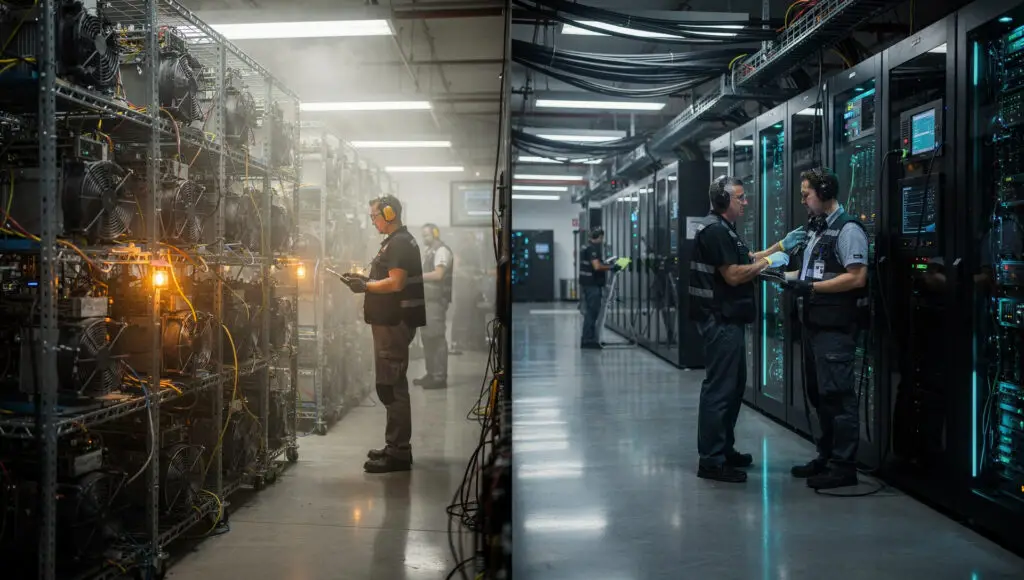
Data centers consume vast electricity resources. Global energy demand is accelerating. AI infrastructure strains power grids. Emissions concerns intensify globally. Water usage for cooling rises sharply. Energy costs increase regionally. Sustainability debates dominate policy discussions.
AI could also improve energy systems. Grid optimization benefits are emerging. Renewable forecasting improves with AI. Efficiency gains may offset consumption. Clean energy investments increase. Policy coordination remains difficult. Energy paradox defines AI’s future.
Human Agency Will Shape AI’s Direction
Technology alone will not decide outcomes. Human choices influence deployment paths. Governance frameworks remain fragmented globally. Ethics and oversight grow more urgent. Investment priorities shape societal impact. Cooperation is increasingly difficult geopolitically. 2026 may redefine AI’s trajectory.