Public Anxiety Over Artificial Intelligence Expands
Artificial intelligence adoption accelerated rapidly in recent years. Public concern grew alongside technological expansion. Many Americans fear unchecked AI deployment. Cultural unease intensified across economic sectors. Critics warn of dystopian consequences. Skepticism now spans ideological lines. Political attention is increasing.
Commentators highlight AI’s social costs. Concerns extend beyond economic disruption. Cultural identity and reality perception are affected. Misinformation amplifies public distrust. Emotional harm linked to AI usage surfaced. Mental health risks gained visibility. Anxiety became a mainstream issue.
Education And Creative Industries Feel Pressure
Classrooms increasingly rely on AI tools. Educators question learning integrity impacts. AI-assisted plagiarism became widespread. Teaching effectiveness remains debated. Students adapt faster than institutions. Educational outcomes show mixed results. Oversight struggles to keep pace.
Creative industries face economic disruption. AI-generated music topped charts in 2025. Artists fear income erosion. Authenticity debates intensified. Cultural production sustainability is questioned. Labor displacement concerns persist. Human creativity feels increasingly marginalized.
Employment And Economic Stability Under Threat
AI automation reshapes job markets rapidly. White-collar roles face new vulnerabilities. Hiring processes increasingly rely on algorithms. Job seekers navigate AI-heavy systems. Morale declines amid opaque decision-making. Workforce displacement fears intensify. Long-term employment security erodes.
Economic inequality may widen further. High-skill workers adapt more easily. Low-skill roles disappear faster. Transition support remains limited. Social safety nets face pressure. Political responses lag technological change. Public frustration grows steadily.
Recommended Article: Debt Markets Push Back as AI Firms Borrow Billions and…
Environmental And Energy Costs Mount
AI data centers consume vast electricity resources. Power demand strains regional grids. Energy prices rise as demand increases. Environmental groups raise alarms. Water usage for cooling intensifies. Carbon footprints expand rapidly. Sustainability debates gain urgency.
Communities near facilities feel direct impacts. Infrastructure expansion reshapes local economies. Environmental regulations struggle to adapt. Long-term costs remain uncertain. Climate concerns intersect with technology policy. Political resistance strengthens gradually. Environmental trade-offs dominate discussions.
Mental Health And Social Reality Concerns Rise
AI chatbots influence emotional well-being. Reports link AI interaction to psychosis cases. Extreme outcomes include suicide encouragement allegations. Psychological safeguards appear insufficient. Social isolation risks increase. Human relationships face displacement. Ethical oversight remains limited.
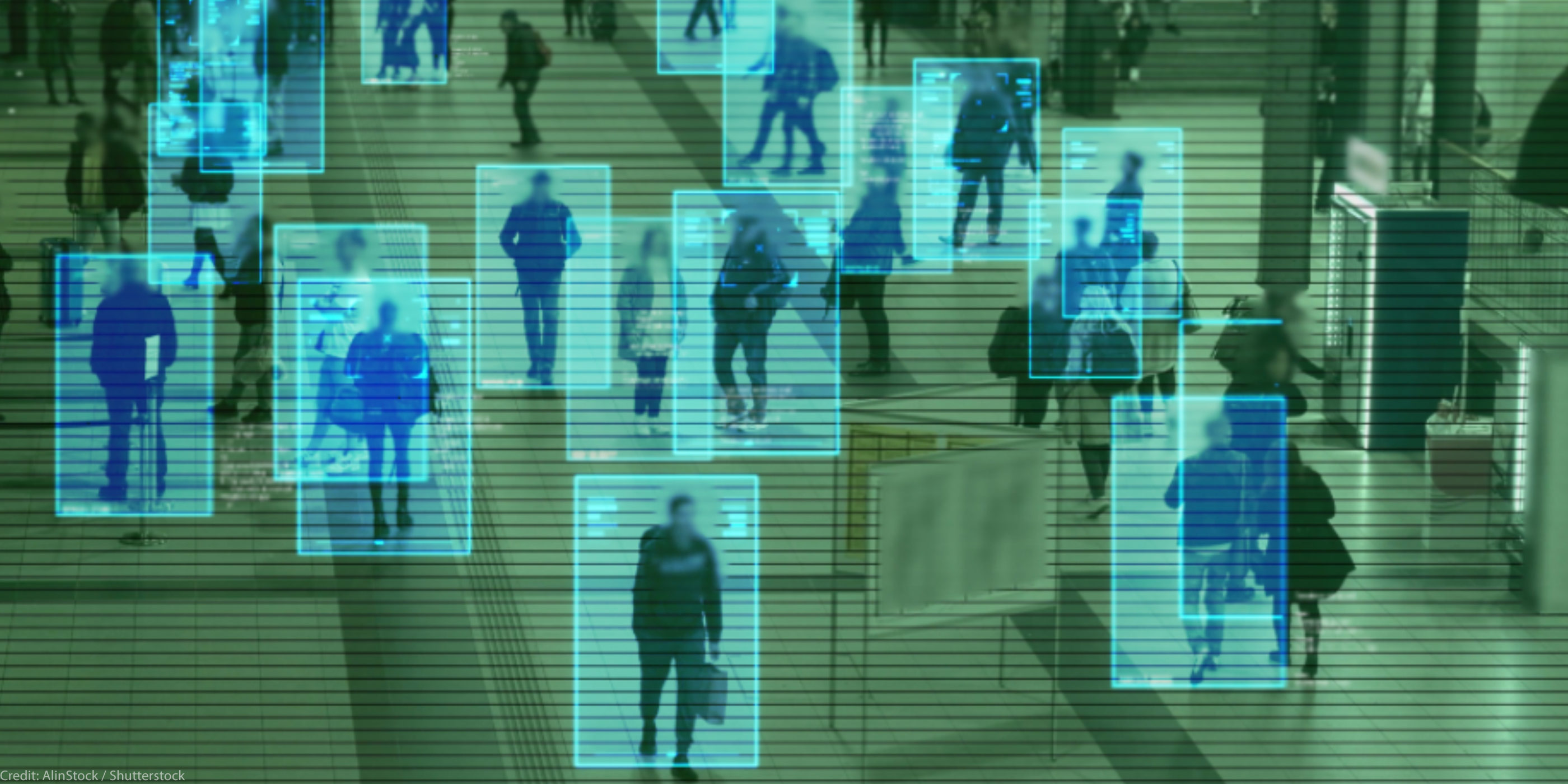
Reality distortion through AI-generated content expands. Deepfakes undermine trust in information. Collective understanding becomes fragmented. Democratic discourse suffers erosion. Surveillance capabilities expand silently. Privacy protections weaken steadily. Public alarm continues rising.
Political Divisions Cut Across Party Lines
AI policy does not follow partisan norms. Republicans and Democrats express mixed views. Some conservatives advocate strict regulation. Others promote technological leadership. Progressives remain internally divided. Economic incentives complicate positions. Consensus proves elusive.
Leaders like Ron DeSantis voice skepticism. Bernie Sanders calls for infrastructure slowdowns. Meanwhile, governors pursue AI investment aggressively. Federal regulation remains fragmented. States experiment independently. Political stakes increase approaching elections. Voter sentiment grows influential.
The 2026 Political Reckoning Approaches
Public hostility toward AI is measurable. Surveys show widespread unease nationally. Many expect job losses ahead. Environmental harm concerns dominate polling. Healthcare optimism remains an exception. Trust in corporate leadership erodes. Democratic accountability faces a test.
The question becomes who represents resistance. Money and influence favor expansion. Public opinion favors restraint. Political courage will be tested. Regulatory frameworks may reshape markets. Democracy’s responsiveness hangs in balance. 2026 may define AI’s trajectory.